The landscape of the sports apparel and footwear market in Argentina is undergoing a profound transformation. Driven by the shifting expectations of a modern consumer base that demands the same high-tier shopping experiences found in global retail hubs like New York, London, or Tokyo, international brands are aggressively recalibrating their local strategies. At the heart of this movement is a shift toward direct-to-consumer (DTC) operations, moving away from legacy distribution models in favor of brand-owned flagships.
Leading this charge is Southbay, the official distributor of Nike in Argentina and Uruguay. The company is currently executing a robust capital investment plan designed to fortify the brand’s presence in strategic shopping centers across the nation. By prioritizing high-traffic, premium retail environments, Southbay is not merely opening stores; it is building a cohesive ecosystem that aligns the Argentine market with Nike’s global standards of excellence.
The Strategic Shift: From Buenos Aires to the Provinces
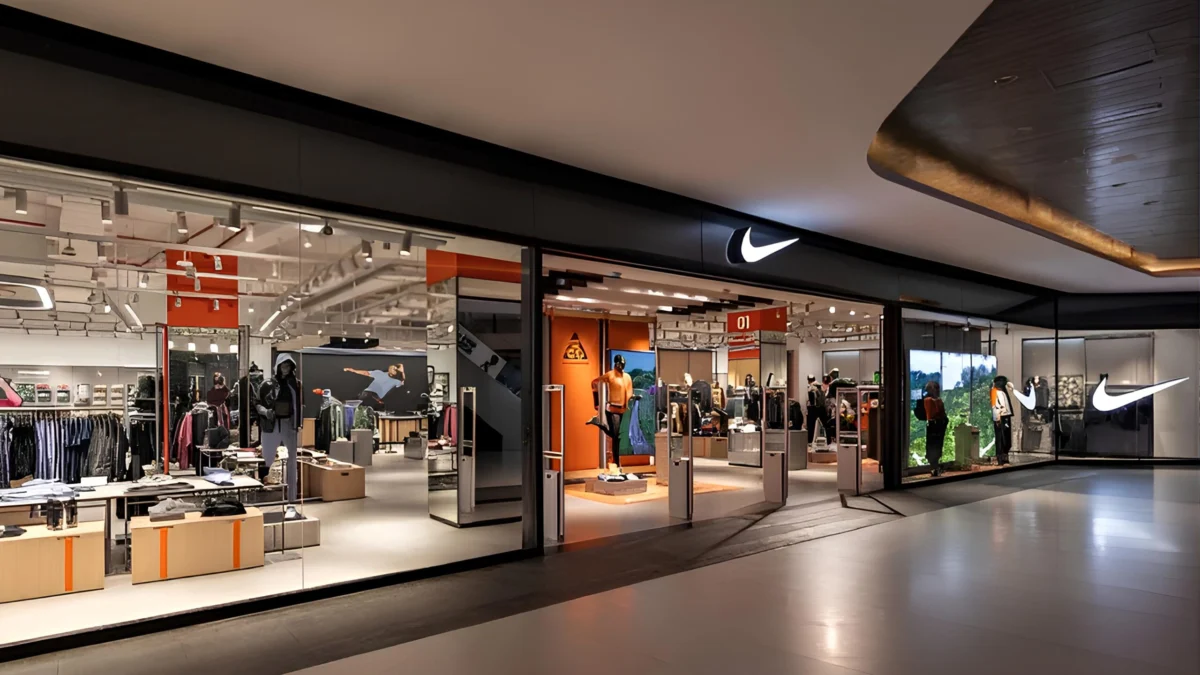
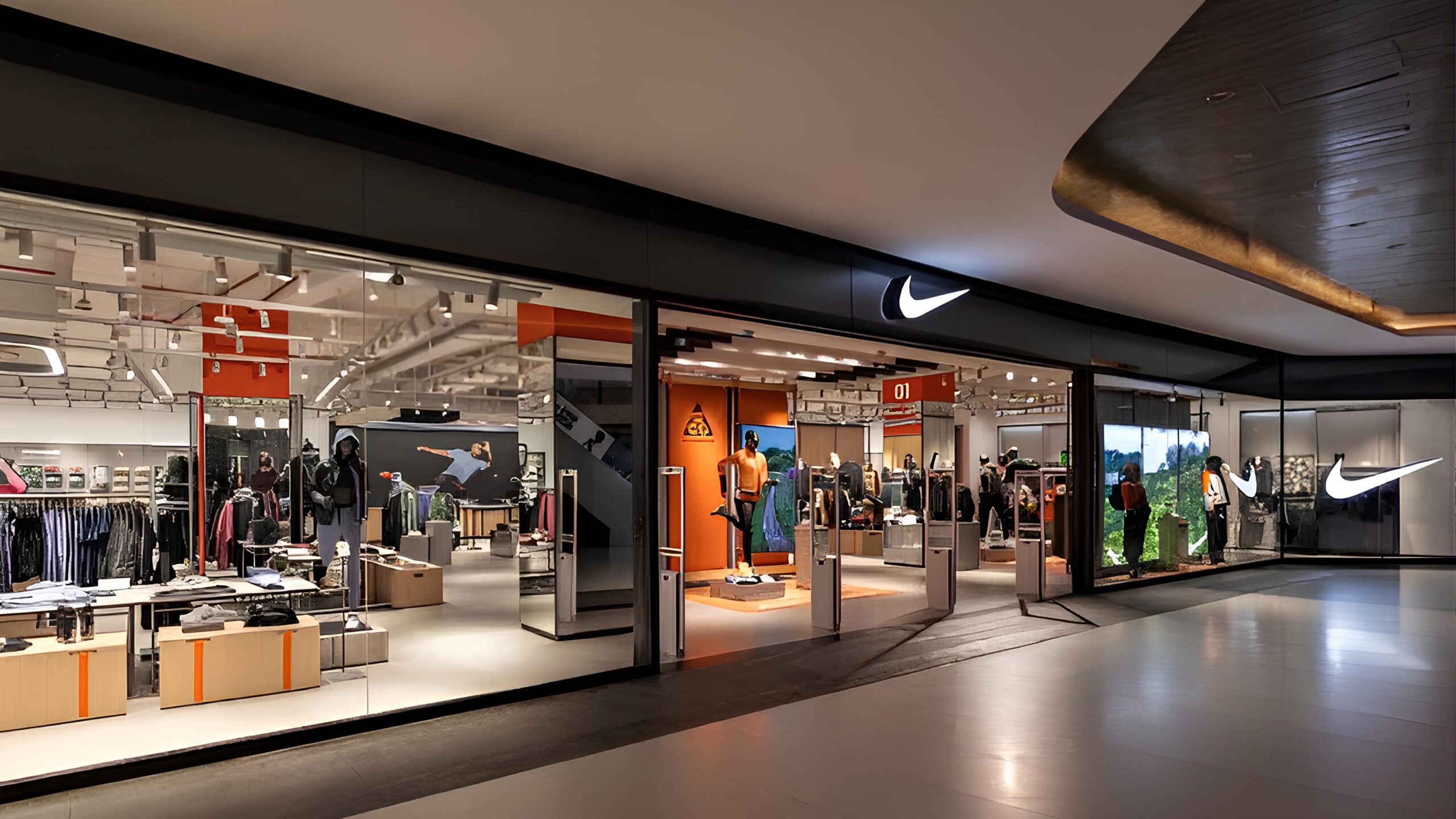
For years, the Argentine retail strategy for many global brands was centered almost exclusively on the Buenos Aires Metropolitan Area (AMBA). However, Southbay’s recent maneuvers indicate a clear departure from this centralization. Following a series of high-profile renovations and modernizations within the capital’s most prestigious shopping centers—which have served as a pilot program for the new, elevated "Nike Live" and concept store aesthetics—the distributor has officially pivoted toward a federal expansion strategy.
This geographic diversification is not coincidental. It is a calculated response to a growing demand from provincial consumers who, until now, had limited access to the full breadth of Nike’s technological and lifestyle offerings. By establishing a physical footprint in key interior cities, Southbay is aiming to bridge the gap between regional consumers and the brand’s global product roadmap.
Chronology of the Expansion
The path to this nationwide expansion began with a systematic overhaul of the retail experience in Buenos Aires. The timeline of this transformation can be categorized into three distinct phases:
- The Capital Optimization Phase (2022–2023): Southbay initiated a comprehensive review of its existing retail portfolio. Older, underperforming, or inadequately branded locations were either closed or slated for massive renovations. The goal was to implement the new "Rise" and "Live" retail concepts, which emphasize digital integration, localized product assortments, and a focus on community-centric shopping.
- The Infrastructure Foundation (Early 2024): With the capital-based stores modernized, Southbay focused on logistics and supply chain optimization. Understanding that a physical store is only as good as its inventory turnover, the company refined its internal distribution channels to ensure that the interior of the country would not face the "delayed arrival" syndrome typical of imported goods in the region.
- The Federal Rollout (Mid-2024–Present): The current phase marks the transition from regional distribution to a direct, company-owned retail model. This involves the systematic replacement of legacy franchise arrangements with direct operations, ensuring that the customer experience in Mendoza or Tucumán is indistinguishable from that in the flagship stores of Buenos Aires.
The Growth Plan: A Focus on Regional Hubs
Southbay’s roadmap for the remainder of the year is ambitious. The plan explicitly outlines the inauguration of between four and six new company-owned stores, specifically targeting markets that have historically been underserved by direct-to-consumer channels.
Key Priority Markets
- Mendoza: As a hub for the Cuyo region, Mendoza represents a high-value market where the brand aims to capture the premium segment of both local shoppers and the significant tourist traffic.
- Salta and Tucumán: These provinces in the Northwest are essential to the company’s goal of establishing a continuous presence throughout the country. The move to shift these operations from independent franchises to direct control allows Southbay to control pricing, inventory, and customer service standards, which are often inconsistent under third-party management.
This expansion is part of a broader "nationalization" of the brand’s image, ensuring that the "swoosh" is not seen as an imported commodity, but as a local partner integrated into the economic fabric of the provinces.
Supporting Data: The Omni-channel Integration
Perhaps the most critical component of Southbay’s strategy is its commitment to an omnichannel retail environment. In a country where economic volatility often complicates retail planning, the integration of physical stores with a robust digital platform is a hedge against uncertainty.
The company is leveraging its e-commerce site to serve as a "virtual warehouse" for its physical locations. Consumers in remote areas, even those far from the new, larger retail spaces, are now able to access the same launches and inventory as a resident of Buenos Aires. By syncing the inventory of its physical shops with its online store, Southbay has effectively reduced the logistical friction that previously plagued provincial sales.
Furthermore, the strategy involves a nuanced approach to the "Made in Argentina" initiative. While global innovation drives the brand, Southbay has successfully increased the share of locally produced footwear and apparel within its product mix. This hybrid model—blending high-tech, imported innovation with domestic production—allows the company to navigate import regulations while maintaining a competitive price point for the average consumer.
Official Responses and Corporate Implications
While Southbay has kept the granular details of its investment figures private, market analysts estimate that the transition from franchise-led to direct-led retail represents a multi-million dollar commitment. Industry experts note that this move is a strong signal of confidence in the Argentine market, despite ongoing macroeconomic challenges.
"The move to direct operations is a sign of maturity," says one retail analyst based in Buenos Aires. "When a company like Nike, through its partner Southbay, decides to own its retail points in the provinces, it indicates that they are looking at the long-term potential of the Argentine consumer, rather than focusing on short-term export-import fluctuations."
The implications of this strategy are twofold:
- For the Consumer: The primary beneficiary is the customer. Increased competition in shopping centers and the arrival of official brand-owned stores typically lead to better customer service, more consistent warranty support, and immediate access to global product drops.
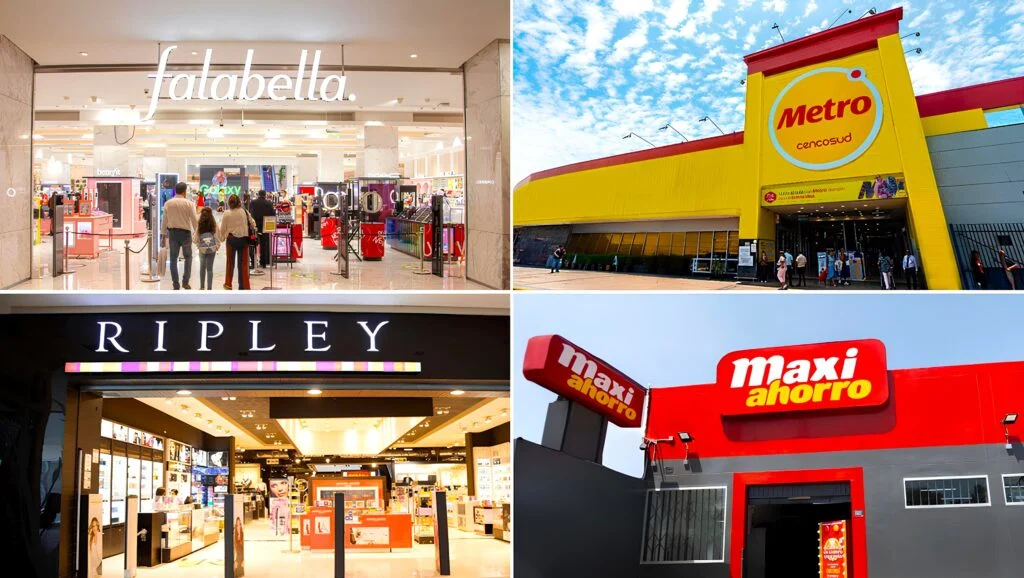
- For the Retail Sector: This move forces local retailers and other sports brands to step up their game. As Southbay sets a new "floor" for what a sports store should look like, other players in the fashion and apparel sector are being forced to invest in their own infrastructure to remain relevant. We have already seen similar trends in other segments, such as the beauty industry, where major players like Falabella are also pivoting toward more specialized, direct-to-consumer retail concepts.
Looking Ahead: The Future of Sportswear in Argentina
As Southbay continues to execute its plan, the next twelve months will be telling. The success of the upcoming openings in the interior will likely determine the pace of future expansions. If the demand in provinces like Mendoza and Tucumán mirrors the performance of the renovated Buenos Aires stores, it is highly probable that the company will expand its roadmap to include secondary cities that have yet to be touched by the direct-to-consumer revolution.
The integration of physical and digital retail, coupled with a localized supply chain, positions Nike as a dominant force in the region for the foreseeable future. By investing in infrastructure during a period of transition, Southbay is ensuring that when the market expands, it will be the primary point of entry for the Argentine athlete and lifestyle consumer.
Ultimately, this is more than just a real estate strategy; it is a fundamental redesign of how a global sports brand interacts with the diverse geography of South America. By prioritizing the experience of the regional consumer, Southbay is betting that the Argentine market is ready for a more sophisticated, accessible, and premium standard of retail.