In a significant show of corporate social responsibility and national commitment, the Association of Agricultural Producers Guilds of Peru (AGAP) has announced a robust investment strategy to bolster the nation’s defenses against the impending threats posed by the El Niño Phenomenon (FEN). Facing a confluence of systemic challenges—including volatile international markets, soaring fuel costs, and the escalating price of fertilizers—the agro-industrial sector has chosen to move beyond advocacy, opting instead to become a proactive partner in state-led disaster mitigation.
With a comprehensive commitment totaling S/ 108 million, AGAP, in conjunction with its associated guilds and member companies, is set to deploy a multi-pronged intervention strategy. This initiative aims to protect critical infrastructure, safeguard the livelihoods of rural populations, and ensure the continuity of one of Peru’s most vital economic engines.
The Context: A Perfect Storm for Peruvian Agriculture
The Peruvian agricultural sector, which has been a primary driver of the nation’s export growth over the past two decades, is currently navigating a period of profound uncertainty. The climate-induced challenges brought by the El Niño phenomenon are not occurring in a vacuum; they are compounded by a global economic landscape that remains deeply unfavorable to commodity producers.
The Macro-Economic Headwinds
The agricultural industry has been reeling from the lingering effects of global supply chain disruptions. The cost of essential inputs, particularly nitrogen-based fertilizers, spiked to record levels in the wake of geopolitical tensions, squeezing profit margins for small and large producers alike. Furthermore, the persistent rise in global petroleum prices has inflated logistics and transportation costs, making it increasingly difficult to move produce from the fertile valleys of the coast and highlands to international markets.
Climate Vulnerability
As the meteorological data for the upcoming El Niño season remains concerning, the vulnerability of Peru’s irrigation systems, rural infrastructure, and coastal defensive works has come under intense scrutiny. Without immediate preventative action, the potential for catastrophic flooding, landslides, and crop destruction poses a direct threat to the food security of the country and the economic stability of the regions.
Chronology: From Alert to Strategic Action
The commitment of S/ 108 million is the culmination of months of dialogue between the private sector and government entities. The following timeline outlines the evolution of this initiative:
- Q1–Q2 2023: Early warning systems and meteorological reports begin indicating a high probability of a strong El Niño event. AGAP initiates a comprehensive audit of infrastructure risks across major agro-industrial hubs.
- Q3 2023: AGAP identifies key areas of cooperation with regional and national governments. Discussions focus on leveraging the "Obras por Impuestos" (Works for Taxes) mechanism to accelerate infrastructure projects.
- Early Q4 2023: The formalization of the S/ 108 million aid package is finalized. This involves high-level meetings with the Ministry of Economy and Finance and the Ministry of Agrarian Development and Irrigation to align private investment with public priority zones.
- Present Day: The implementation phase begins, with the immediate allocation of S/ 8 million for urgent pre-emptive works, followed by the rollout of the long-term S/ 100 million infrastructure investment plan.
Supporting Data: The Breakdown of the Investment
The S/ 108 million commitment is bifurcated into two distinct phases: immediate crisis response and long-term infrastructure resilience.
Phase 1: Immediate Mitigation (S/ 8 Million)
The initial allocation of S/ 8 million is earmarked for high-impact, short-term actions. The focus here is on "preventative defense," which includes:
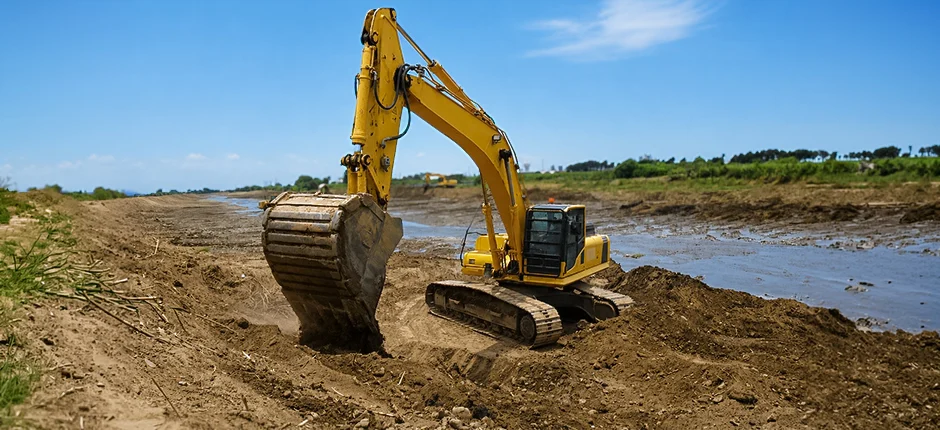
- Desilting and Clearing: Removing sediment from riverbeds and drainage channels to prevent overflows.
- Infrastructure Reinforcement: Strengthening riverbanks, protective dikes, and water intake structures (bocatomas) that are essential for irrigation.
- Strategic Resource Deployment: Providing heavy machinery and fuel to regional authorities to expedite the construction of emergency bridges and temporary road bypasses.
- Humanitarian Preparedness: Establishing supply lines for potable water, essential food rations, and temporary shelter materials for rural communities most at risk of being isolated by floodwaters.
Phase 2: Long-Term Resilience (S/ 100 Million)
The bulk of the investment—S/ 100 million—will be channeled over the coming years through two primary legislative instruments:
- Obras por Impuestos (OxI): A mechanism that allows private companies to fund public infrastructure projects in lieu of tax payments, ensuring efficient execution and local oversight.
- Servicios por Impuestos (SxI): A similar mechanism targeting the delivery of public services to vulnerable populations, focusing on water management and agricultural support systems.
Official Responses and Stakeholder Perspectives
The initiative has been met with broad support from various government stakeholders who view this as a model for public-private synergy.
The Perspective of AGAP
AGAP leadership has consistently emphasized that the investment is not merely a philanthropic act, but a strategic imperative. "The challenges facing the country require a spirit of unity," a spokesperson for the association noted. "By partnering with the state, we are protecting not only our assets but the thousands of formal jobs that our industry supports. We believe that a robust state-private partnership is the only way to insulate the Peruvian economy from the shocks of climate change."
The Role of the State
Government officials have lauded the move as a critical boost to public coffers. By tapping into private sector efficiency, the state can bypass some of the traditional bureaucratic hurdles that often delay infrastructure projects. The Ministry of Economy and Finance has signaled that it will provide the necessary technical guidance to ensure that the S/ 100 million in long-term investments aligns perfectly with the National Infrastructure Plan.
The Implications: A New Era of Climate Resilience
The implications of this move extend far beyond the immediate financial figures. This initiative sets a new standard for how the Peruvian private sector interacts with national disaster risk management.
1. Shift in Risk Management
Historically, the agricultural sector has been reactive, relying on government disaster relief after the damage is done. By shifting to a preventative, investment-based model, AGAP is demonstrating that private capital can be a powerful tool for disaster mitigation, effectively reducing the future fiscal burden on the state.
2. Safeguarding Employment
Agriculture remains one of the largest employers in Peru, particularly in rural areas. By ensuring that irrigation systems remain functional and that land is protected from erosion, AGAP is indirectly protecting the livelihoods of hundreds of thousands of workers. This helps prevent the migration crises that often follow large-scale agricultural failure.
3. Strengthening Infrastructure
The focus on "strategic infrastructure"—including bridges, irrigation canals, and water intake systems—serves a dual purpose. While these projects are designed to withstand El Niño, they also serve as permanent improvements that will increase the long-term productivity and efficiency of the Peruvian agro-export sector, making it more competitive in the global market once the weather patterns normalize.
4. A Blueprint for Other Sectors
The success or failure of this S/ 108 million initiative will likely serve as a case study for other industries in Peru, such as mining and tourism, which also face climate-related risks. If this collaborative model proves successful, it could catalyze a broader trend of private-led infrastructure investment that reduces the "infrastructure gap" that has long hindered Peru’s development.
Conclusion: The Path Ahead
The upcoming El Niño period represents a daunting test for the Peruvian nation. However, the proactive stance of AGAP and its member companies provides a glimmer of hope and a tangible mechanism for resilience. By committing S/ 108 million, the agricultural sector has signaled that it is no longer willing to be a passive victim of climate volatility.
Instead, the sector is choosing to lean into its capacity for organization and investment to act as a shield for the regions it operates in. As the machinery begins to clear the riverbeds and the planning for the long-term infrastructure projects gets underway, the success of this initiative will hinge on the continued coordination between private enterprise and state institutions. If realized effectively, this investment will not only help Peru weather the coming storm but will leave the country with a stronger, more resilient agricultural foundation for the future.
In an era defined by global instability and environmental change, this partnership offers a clear, pragmatic path forward—one where the private sector takes its place at the forefront of national development, ensuring that the fruits of Peruvian agriculture continue to grow, even in the face of nature’s greatest challenges.