In a move signaling a pivot toward experienced administrative leadership within the Peruvian healthcare sector, President Keiko Fujimori has confirmed that the administration is actively evaluating Dr. Zulema Tomás for the role of Executive President of the Social Health Insurance system, known as EsSalud. The potential appointment marks a significant moment for the current administration, which appears to be prioritizing technical expertise over partisan alignment as it seeks to stabilize one of the country’s most critical public institutions.
Main Facts: A Profile of Professionalism Over Politics
During an exclusive interview with RPP, President Keiko Fujimori addressed the ongoing vacancy at the helm of EsSalud. When questioned about the selection process, the President was unequivocal, noting that the Minister of Labor, Juan Sheput, has already conducted a thorough assessment of the candidates.
"The Minister of Labor has evaluated a person who is highly competent," President Fujimori stated. When pressed specifically on whether that individual is Zulema Tomás, the President confirmed the speculation, emphasizing that her administration is looking beyond past political affiliations.
"Yes, she has experience; she served as a Minister of State during the government of Martín Vizcarra," Fujimori noted. "I understand there may have been some concerns in some quarters, but for me, there is no concern. When I evaluate a curriculum, I do not fixate on whether someone worked for a government that was in opposition to us. I look at their capacity, their experience, and this doctor meets all the requirements."
Dr. Zulema Tomás is a widely recognized figure in the Peruvian medical community. She currently serves as the director of the National Institute of Child Health (INSN) in San Borja, where she has been credited with managing complex pediatric cases and navigating the bureaucratic challenges of the public health system.
Chronology of the Leadership Transition
The discourse surrounding the future of EsSalud has been intensifying over the past week, following a period of institutional transition.
- September 10, 2026: Minister of Labor Juan Sheput confirms in a televised interview with Canal N that the search for a new Executive President for EsSalud has concluded. He indicated that the selection process was robust and that the final candidate had been identified.
- September 11, 2026: President Keiko Fujimori clarifies the government’s stance during her interview with RPP. She publicly endorses the vetting process conducted by Minister Sheput and identifies Dr. Zulema Tomás as the primary candidate under consideration.
- The Immediate Future: The administration has signaled that the formal announcement and swearing-in ceremony are expected to take place in the coming days, pending the finalization of transition protocols.
Supporting Data: Why Zulema Tomás?
The potential appointment of Dr. Tomás is being viewed by analysts as a "technocratic bet." EsSalud, which provides coverage to millions of formal sector workers and their families, has faced chronic challenges ranging from infrastructure deficits to supply chain disruptions in pharmaceutical procurement.
The Professional Trajectory of Zulema Tomás
Dr. Tomás’s tenure as Minister of Health during the Vizcarra administration provided her with a unique vantage point regarding the structural weaknesses of the Peruvian health sector. Her subsequent leadership at the INSN San Borja—a facility that functions as a flagship for specialized pediatric care in Peru—has demonstrated her ability to maintain operational standards in high-pressure environments.
- Operational Continuity: Her work at the INSN San Borja has been characterized by the modernization of equipment and the optimization of surgical schedules, two areas where EsSalud has historically struggled.
- Systemic Knowledge: Having served as the head of the Ministry of Health (MINSA), she possesses an intimate understanding of the intersection between public policy, ministerial budgeting, and grassroots health delivery.
- Neutrality: By choosing a professional with a background in the previous administration, President Fujimori is effectively signaling a "national unity" approach to public health, distancing the institution from the hyper-partisan atmosphere that often permeates the executive branch.
Official Responses and Political Implications
The announcement has triggered a range of responses from across the political spectrum, reflecting the high stakes involved in managing EsSalud.
Minister Juan Sheput’s Perspective
Minister of Labor Juan Sheput, who oversees the political oversight of EsSalud, has been the primary architect of this selection. His comments suggest that the decision was not made in isolation but was the result of a collaborative effort between the Ministry of Labor and the Office of the President.
"We have a definition," Sheput remarked. "What remains is the formal announcement." His emphasis on the "competence" of the candidate serves as a preemptive defense against critics who might argue that the appointment of a former minister from a previous administration represents a lack of ideological cohesion.
Opposition and Internal Dynamics
While the move has been praised by some for its focus on meritocracy, it is not without its detractors. Hardline factions within the political sphere have historically been wary of "recycling" officials from past administrations. However, the President’s willingness to defend the choice suggests a clear desire to prioritize the stabilization of EsSalud over the appeasement of ideological purists.
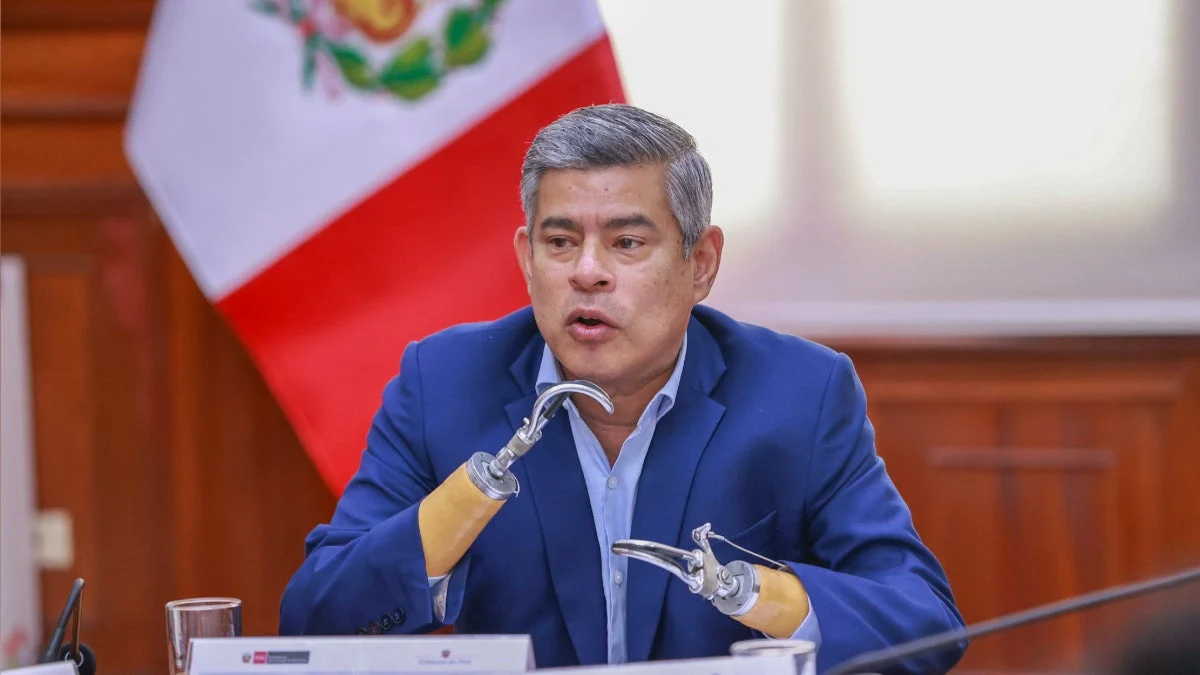
The involvement of the Head of the Cabinet, Luis Galarreta, in the final coordination process further underscores that this decision carries the full weight of the current administration. It is a calculated move designed to ensure that the transition at EsSalud is seen as a deliberate, executive-led action rather than a reactive appointment.
Implications for the Future of EsSalud
The appointment of a new executive president at this juncture is pivotal for several reasons.
1. The Challenge of Institutional Reform
EsSalud is currently navigating a period where the demand for specialized medical services is outpacing the institution’s current capacity. A new leader will be tasked with accelerating digital transformation—specifically the implementation of electronic health records—and improving the transparency of drug procurement, a perennial issue that has led to previous corruption scandals.
2. Coordination between MINSA and EsSalud
The appointment of a former Minister of Health to lead the Social Security system could foster a more integrated relationship between the Ministry of Health (which serves the uninsured population) and EsSalud. Historically, these two entities have operated in silos. A leader who has sat on both sides of the table could potentially harmonize patient referral systems, leading to a more efficient use of public health resources nationwide.
3. Economic Stability and Public Trust
For the contributors to EsSalud—both employers and employees—the stability of the institution is synonymous with their own financial security. If Dr. Tomás is appointed, her primary challenge will be to restore confidence in the institution’s ability to provide timely care without the constant threat of service interruptions or administrative turmoil.
Conclusion
As President Keiko Fujimori continues to navigate her term, the selection of Zulema Tomás reflects a pragmatic approach to governance. By prioritizing experience and technical capability over political patronage, the administration is making a clear statement about its priorities for the remainder of its term.
The upcoming formalization of this appointment will be a test of the administration’s resolve. If successful, it could serve as a model for future appointments, where the primary qualification for high-level public service is not proximity to the ruling party, but a demonstrated track record of success in the complex, high-stakes environment of Peruvian public administration. The eyes of the medical community and the public will remain fixed on this transition, as it promises to set the tone for the health sector’s trajectory in the coming years.