Executive Summary: A New Chapter in Parliamentary Relations
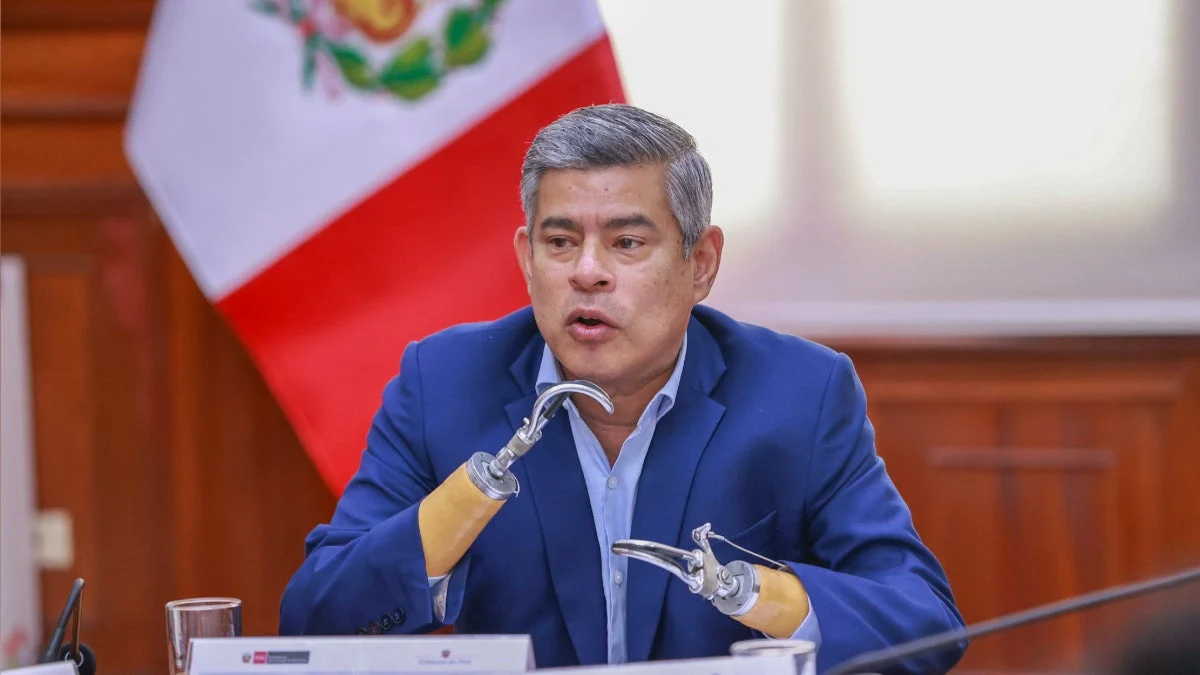
In a significant development for the nation’s political landscape, the Council of Ministers, led by Chief of Cabinet Luis Galarreta, is set to appear before the Chamber of Deputies this Thursday, August 20. This appearance, scheduled to commence at 10:00 a.m., marks a pivotal moment in the transition to the newly restored bicameral legislative system.
The primary objective of this session is to provide a comprehensive exposition of the administration’s general policy framework and the specific strategic measures intended to guide its tenure. Unlike the previous unicameral model, which often functioned under a continuous threat of a mandatory vote of confidence, this session serves as a high-level dialogue between the Executive branch and the newly established Chamber of Deputies. With four hours of allocated debate time, the session is designed to foster transparency, accountability, and a clearer understanding of the government’s legislative priorities.
Chronology: The Path to the Plenary
The road to this Thursday’s plenary session has been marked by formal administrative steps designed to ensure institutional harmony.
- August 12: Following the formal swearing-in of the new ministerial cabinet, discussions regarding the mandatory constitutional presentation began between the Executive and the Legislative leadership.
- August 15: Chief of Cabinet Luis Galarreta officially submitted a formal request to the President of the Chamber of Deputies, Óscar Reto Otero, requesting the scheduling of the plenary session.
- August 17: The Junta de Portavoces (Board of Spokespersons) met to finalize the logistics of the session. It was determined that the session would be strictly held in the Chamber of Deputies, adhering to the updated internal regulations of the bicameral legislature.
- August 20 (The Session Day): The session is scheduled to begin at 10:00 a.m. The proceedings will include a keynote address by Galarreta, followed by a structured four-hour debate divided among the various parliamentary factions.
The Bicameral Shift: Understanding the New Dynamic
The transition to a bicameral system represents the most significant structural change to the nation’s governance in decades. Under the previous unicameral system, the relationship between the Executive and the Legislative branches was often fraught with tension, characterized by frequent requests for votes of confidence and high volatility.
In this new bicameral framework, the Chamber of Deputies functions as the primary arena for political debate and fiscal oversight. Critically, this specific appearance by the cabinet does not trigger an automatic vote of confidence. This modification is intended to decouple the presentation of the government’s plan from the immediate existential threat to the cabinet. By removing the "all-or-nothing" pressure of a confidence vote, the administration hopes to foster a more constructive environment where substantive policy debate can take precedence over political brinkmanship.
Supporting Data: Constitutional Requirements and Procedural Rules
The foundation for this session is rooted in Article 130 of the Constitution. The article stipulates that the President of the Council of Ministers, accompanied by the other members of the cabinet, must appear before the Chamber of Deputies to report on the general policy of the government and the main measures that require its management.
Key Procedural Logistics:
- Duration: The session is strictly limited to four hours.
- Proportional Representation: Debate time is allocated based on the number of members in each political bloc, ensuring that minority parties and the ruling coalition have equitable time to express their positions.
- Attendance: Attendance is mandatory for all cabinet ministers, underscoring the collective responsibility of the Executive branch for the policies being presented.
- Presiding Authority: The session will be moderated by the President of the Chamber of Deputies, Óscar Reto Otero, who is tasked with maintaining decorum and ensuring that the debate remains focused on the agenda presented by Galarreta.
Official Responses and Political Stakes
Political analysts suggest that the session is a critical test for the Galarreta administration. While the lack of a mandatory vote of confidence lowers the risk of immediate collapse, the political optics of the event are undeniably high-stakes.
The Executive Perspective
Government insiders have indicated that Chief of Cabinet Galarreta will focus his address on three core pillars: economic recovery, social welfare expansion, and the streamlining of public administration. The government aims to demonstrate that, despite inheriting a challenging fiscal climate, the cabinet possesses a coherent and actionable roadmap. Galarreta is expected to emphasize that the government is seeking a "partnership" with the Chamber of Deputies rather than a confrontation.
The Legislative Perspective
Opposition blocs have signaled their intention to press the cabinet on several contentious issues, including the recent rise in inflationary pressures and the ongoing implementation of the bicameral transition.
"We are not here to block for the sake of blocking," said a senior member of the minority caucus. "However, we are here to hold the Executive accountable for the promises made during the election cycle. The four-hour debate will be used to extract concrete timelines and budgetary commitments from the ministers."
Implications: The Long-term Outlook
The impact of this session extends far beyond the four hours of debate scheduled for Thursday. It will serve as a barometer for the relationship between the Executive and the newly constituted legislature for the remainder of the term.
1. Defining the "New Normal"
This session sets a precedent for how the government will interact with the Chamber of Deputies. If the dialogue is constructive, it could pave the way for a period of legislative stability. Conversely, if the session devolves into partisan obstructionism, it may indicate a difficult road ahead for the administration’s legislative agenda.
2. Economic Policy and Market Confidence
Investors and international observers will be closely monitoring the cabinet’s discourse. The ability of the government to clearly articulate its economic policy—specifically regarding tax reform and infrastructure investment—will be vital in stabilizing market expectations and encouraging private investment.
3. Strengthening Democratic Institutions
The restoration of the bicameral system is intended to provide better checks and balances. By compelling the cabinet to explain its policies before the deputies, the system ensures that the Executive remains tethered to the will of the people’s representatives. This session is the first real-world stress test of these updated checks and balances.
Conclusion: A Turning Point for Governance
As the country approaches the August 20 plenary, the atmosphere in the capital is one of cautious anticipation. The transition to bicameralism was promoted as a solution to the political instability that plagued the previous years; now, it must prove its efficacy.
Chief of Cabinet Luis Galarreta enters the Chamber of Deputies not just as a representative of the Executive, but as a lead negotiator in a new era of governance. The successful presentation of the government’s policy will be judged not by the intensity of the rhetoric, but by the clarity of the vision and the willingness of the political actors to engage in the hard work of consensus-building.
The session will be broadcast live, allowing the public to witness the debate firsthand. As the country watches, the message from the cabinet will be clear: while the challenges are significant, the government is prepared to face them under the framework of the law and within the halls of the newly empowered Chamber of Deputies. The next four hours of debate may well define the trajectory of the administration for the foreseeable future.