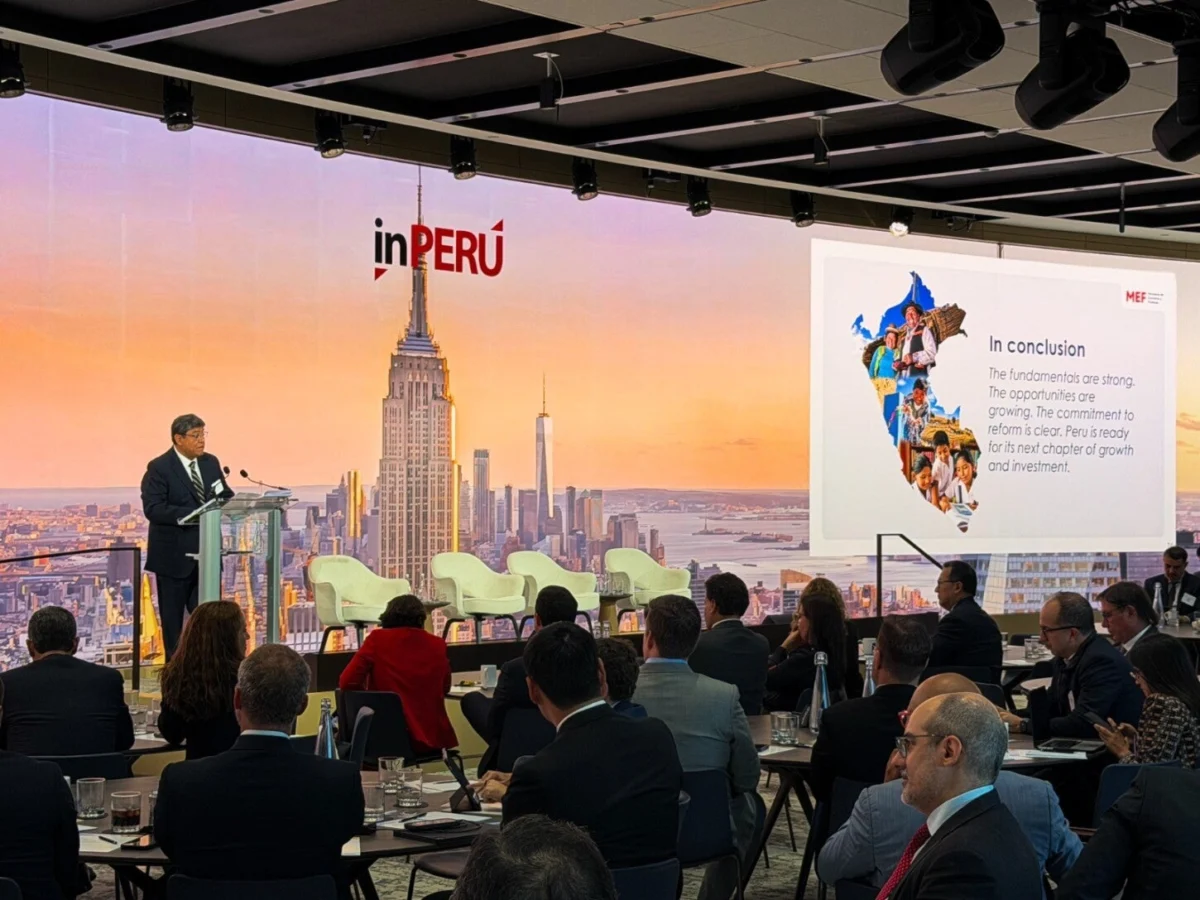
NEW YORK — Against the backdrop of the high-stakes financial landscape of New York City, Peru is making a concerted effort to recalibrate its international image. During the XIX inPerú Roadshow, Minister of Economy and Finance, Elmer Cuba, projected a message of resilience and long-term stability, aiming to distance the country from the political volatility that has characterized its domestic landscape over the past decade.
As global investors scan emerging markets for reliable growth, the Peruvian government is leveraging the narrative of institutional continuity to attract capital back into mining, energy, and infrastructure.
The Core Narrative: Stability as a Strategic Asset
The central pillar of Minister Cuba’s message in New York is the restoration of investor confidence through the lens of political predictability. For years, international stakeholders have viewed Peru through the prism of rapid turnover in the executive branch. However, Cuba argues that the current administration’s trajectory offers a different proposition: the expectation of a full five-year mandate.
"The enthusiasm is immense," Cuba stated during an interview on Economía para Todos (RPP), noting that the feedback from global financial giants—including JP Morgan, Goldman Sachs, and Bank of America—indicates a sentiment that outpaces domestic business expectation indices.
The Institutional Pivot
For global asset managers, political stability is a currency of its own. Minister Cuba highlighted that the current administration is not merely waiting for global cycles to favor Peru but is actively "placing reforms on the table" within its first five weeks in office. This proactive stance, combined with recent fiscal measures, is being interpreted by international creditors as a sign of a government committed to structural improvement rather than mere crisis management.
Chronology of the Current Economic Cycle
To understand the current optimism, one must look at the timeline of events that have defined the Peruvian economic climate in recent months:
- Pre-Roadshow Preparations: The Ministry of Economy and Finance (MEF) spent weeks coordinating with inPerú to curate a portfolio of projects for international stakeholders, focusing on high-growth sectors.
- The Legislative Alignment: In a significant development, the Executive branch managed to secure legislative wins, including the approval of the General Account of the Republic—a milestone that had eluded previous administrations for 12 years.
- The Roadshow Launch: The XIX inPerú Roadshow convened in New York, bringing together private sector leaders and government officials to engage directly with entities like BTG Pactual and Goldman Sachs.
- Post-Niño Strategy: The current phase of government policy is focused on transitioning from damage control regarding the El Niño climate phenomenon to a "post-bache" (post-bump) recovery phase.
Supporting Data and Economic Projections
The most significant takeaway from the Minister’s visit is the upward revision of growth expectations. Despite the tangible damage caused by El Niño, the MEF remains confident that the disruption is a temporary, albeit severe, fiscal hurdle.
The "4% Growth" Benchmark
Minister Cuba projects that once the climate-induced impact subsides, the Peruvian economy will return to a trajectory of growth exceeding 4%. This figure is not arbitrary; it is tied to the country’s inherent economic resilience and its capacity for rapid rebound in sectors like agriculture and construction once weather conditions stabilize.
- Structural Potential: Cuba emphasized that the 4% growth target is a baseline. With the successful implementation of the reforms currently being proposed, the country’s long-term potential could climb significantly higher.
- Fiscal Coordination: The recent approval of a supplementary decree in the Bicameral Budget Commission—secured with 30 votes in favor and zero against—serves as a data point for investors concerned about the Executive-Legislative divide. It suggests a "pragmatic truce" when it comes to national fiscal policy.
Official Responses and Internal Cooperation
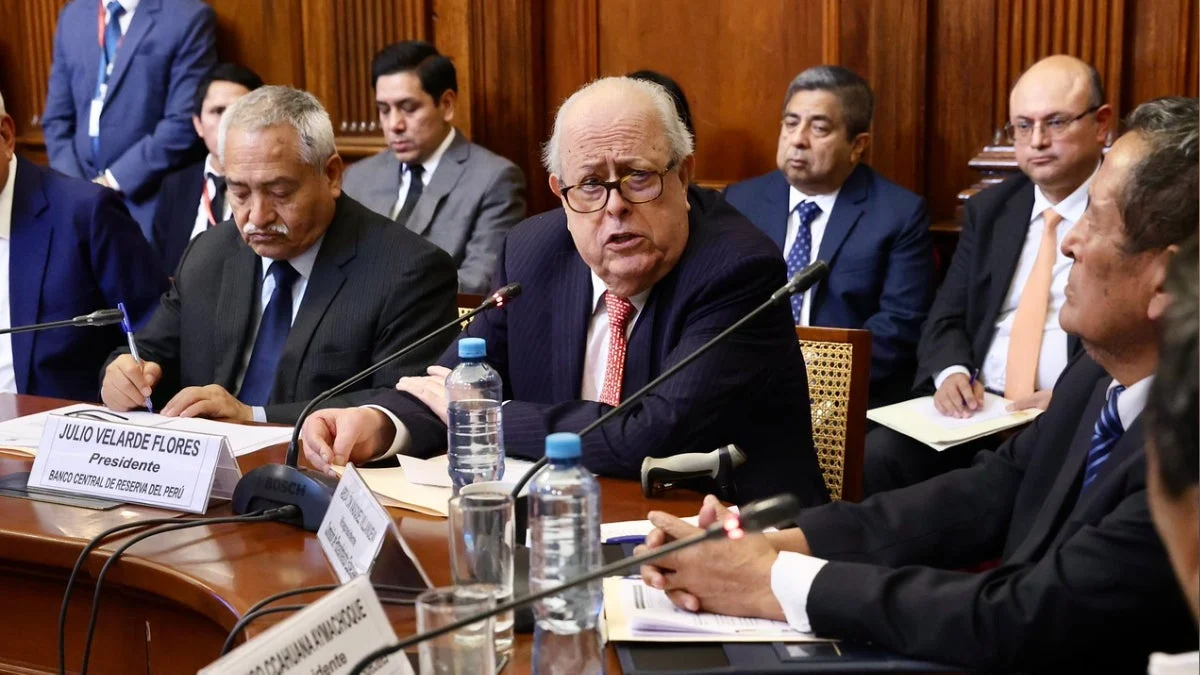
A notable theme during the New York sessions was the shift in tone regarding the relationship between the Peruvian Congress and the Executive branch. While the public often focuses on the friction regarding legislative powers, Minister Cuba pointed to the "economic consensus" being formed behind the scenes.
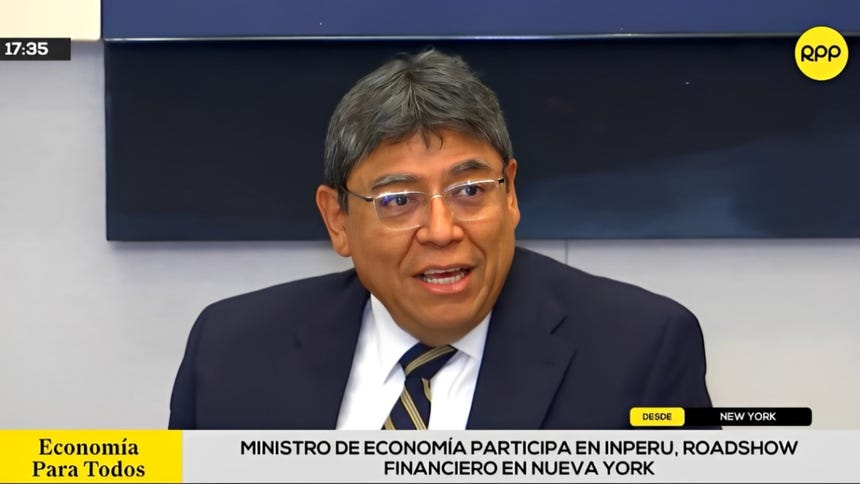
"We have seen a level of collaboration that is crucial for the markets," the Minister noted. By pointing to the overwhelming support for the General Account of the Republic, the government is signaling to international markets that the fundamental "rules of the game" for the economy remain shielded from the more volatile aspects of political partisan conflict.
The Investor Perspective
Representatives from JP Morgan, according to Cuba, suggested that their clients are significantly more optimistic than the traditional surveys of Peruvian business leaders. This divergence suggests that while domestic players may be wary due to daily headlines, the international investment community is looking at the macro-level indicators: debt sustainability, a commitment to market-friendly reforms, and the promise of a full, uninterrupted presidential term.
Implications: What This Means for Peru’s Future
The implications of this diplomatic and financial offensive are twofold:
1. Attracting "Sticky" Capital
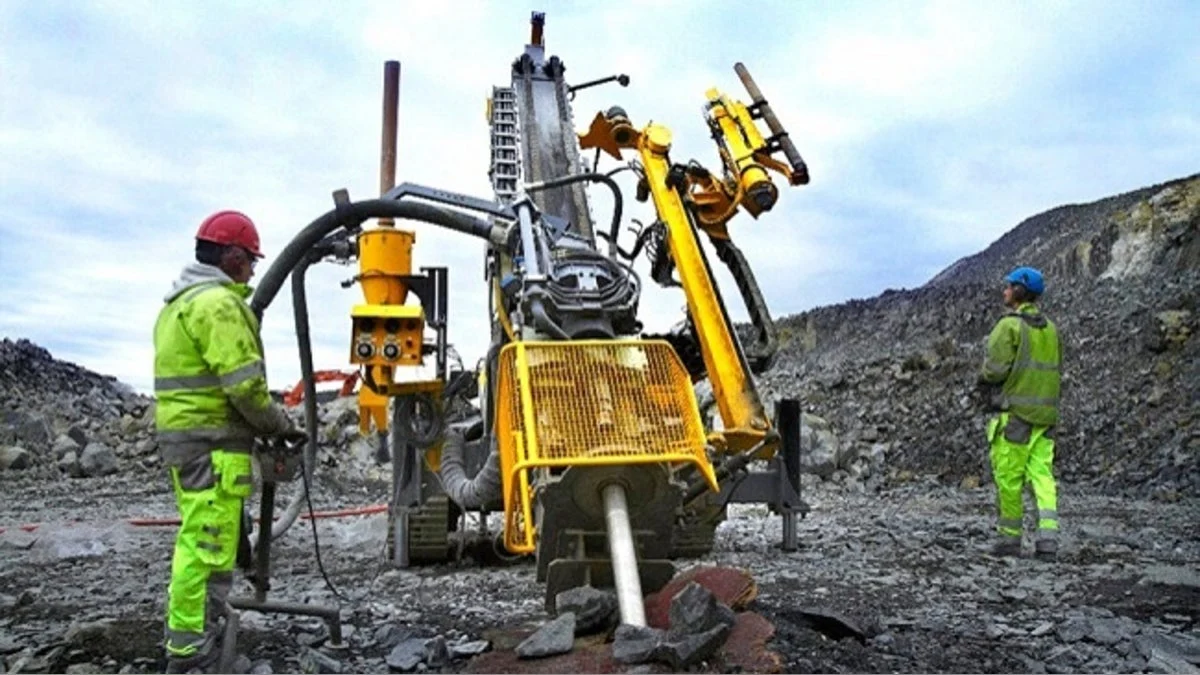
By promoting opportunities in mining, energy, and infrastructure, the government is moving away from "hot money" (short-term portfolio investments) toward long-term capital investments. Infrastructure projects, often facilitated by ProInversión, require the very stability that Minister Cuba is currently pitching in New York.
2. A Test of Resilience
The coming quarters will be a stress test for the government’s narrative. If the economy recovers at the projected rate and the promised reforms are passed, the administration will have successfully decoupled economic policy from political noise. However, if the impact of the climate phenomenon lingers longer than anticipated, the government will face the challenge of maintaining that "immense enthusiasm" among investors.
3. The Reform Agenda
The Minister’s assertion that "with reforms we can grow much more" sets the stage for the next phase of his tenure. The international community is not just looking for stability; they are looking for modernization. The success of the current roadshow hinges on the government’s ability to turn these high-level meetings into signed contracts and tangible foreign direct investment (FDI).
Conclusion
Minister Elmer Cuba’s visit to New York represents a sophisticated attempt to re-brand Peru as a bastion of economic continuity in a region often defined by volatility. By grounding his argument in the expectation of a full five-year term and a clear, post-climate recovery plan, the Minister is providing investors with the predictability they crave.
Whether this "enthusiasm" translates into a surge of capital depends on the delicate balance between the Executive’s reform agenda and the Legislative branch’s cooperation. As the XIX inPerú Roadshow concludes, the message is clear: Peru is betting that its structural foundations are strong enough to withstand both the weather and the political winds, provided the government maintains its current course of fiscal responsibility and institutional focus.
For now, the international financial community appears willing to listen, marking a critical turning point for the Peruvian economy as it looks toward a future of renewed, post-Niño growth.