Executive Summary: A New Chapter in Chilean Mining
In a landmark development for the Chilean mining sector, Codelco—the world’s largest copper producer—and Pucobre have officially finalized the formation of a joint venture to develop the "Tovaku" copper project. Located 70 kilometers east of the coastal city of Tocopilla in the Antofagasta Region, this initiative represents a strategic consolidation of assets and technical expertise. Under the terms of the agreement, Pucobre will hold a 60% controlling interest, while Codelco will retain a 40% stake, reinforcing a collaborative partnership that first took root in 2009.
With an estimated investment of $870 million, the project is scheduled to reach production by 2030. Tovaku is positioned not only as a vital contributor to Chile’s national copper output but also as a model for how state-owned enterprises can leverage the agility and technical specialization of mid-tier mining companies to maximize mineral resource value.
Chronology of a Strategic Partnership
The genesis of the Tovaku project is the result of years of meticulous technical evaluation and institutional patience.
- 2009: The Foundation. Codelco and Pucobre initiate their exploratory partnership, identifying the geological potential of the Tocopilla region.
- 2010–2025: Technical Maturation. During this period, the companies focused on mapping, drilling, and feasibility studies to confirm the viability of the resource. The partnership navigated shifting market conditions and complex regulatory environments to transform a raw geological opportunity into a bankable asset.
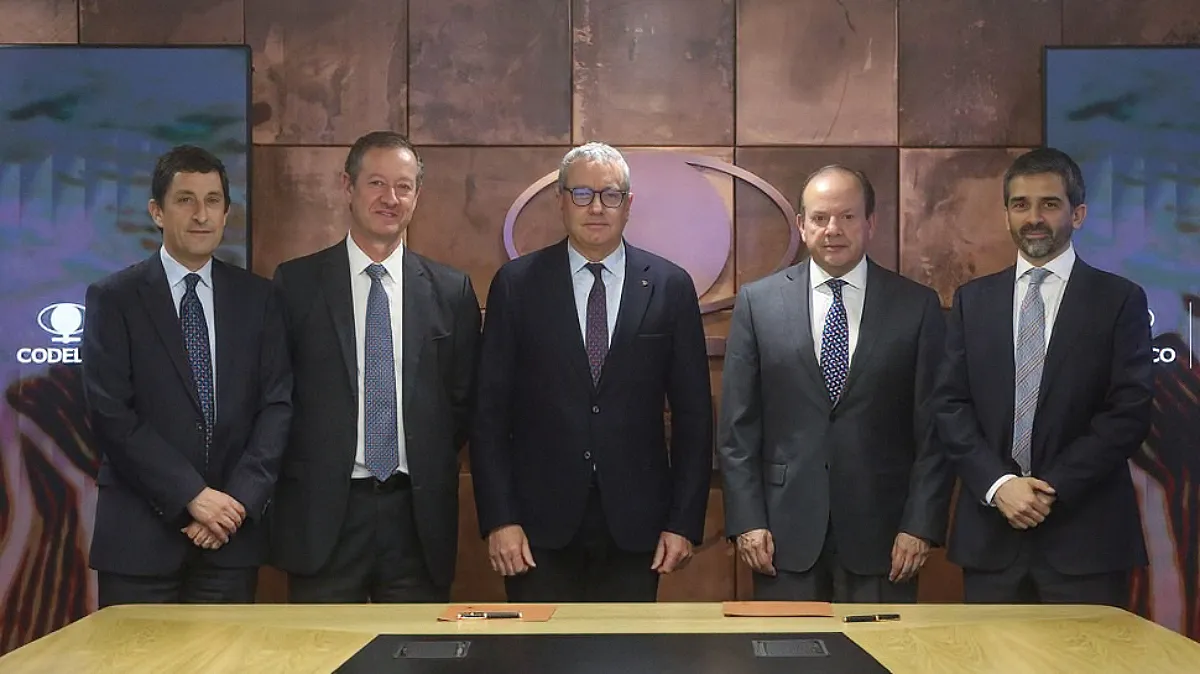
- August 2026: The Signing. The formal constitution of the new society is signed in Santiago. This milestone marks the transition from the exploratory/study phase to the active development and engineering phase.
- 2026–2030: The Development Roadmap. The current focus shifts to detailed engineering, the rigorous environmental and sectoral permitting process, and the initiation of "early works"—essential site preparation, procurement of major equipment, and infrastructure development.
- 2030: Targeted Commissioning. The project is slated to commence full-scale production, contributing a projected 46,000 tonnes of copper cathodes annually to the global market.
Project Specifications and Economic Impact
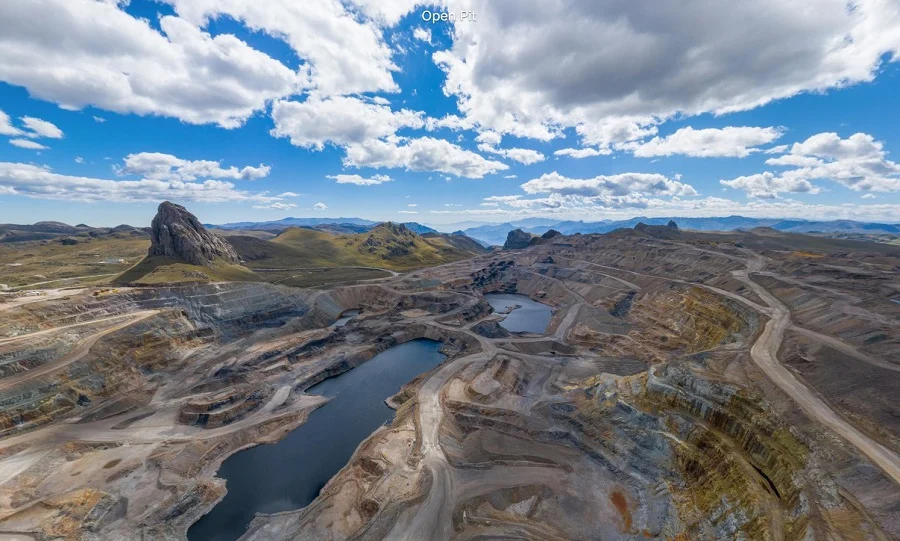
Tovaku is designed as an open-pit operation, strategically located to minimize environmental footprints while maximizing operational efficiency. The project’s technical profile is robust, boasting proven reserves of 633 million tonnes and an anticipated operational life of 21 years.
Key Technical Attributes:
- Annual Output: 46,000 tonnes of high-quality copper cathodes.
- Resource Longevity: 21 years of extraction life.
- Geological Advantage: The deposit features mineralization at shallow depths, which reduces the stripping ratio and lowers initial operational costs.
- Sustainability Features: A critical differentiator for Tovaku is its low acid consumption during processing. Furthermore, the operation is engineered to utilize untreated seawater, thereby eliminating the need for energy-intensive desalination plants and preserving precious continental water resources—a critical factor for the Antofagasta region.
The Financial Architecture
One of the most innovative aspects of the Tovaku agreement is its financial structure. To ensure the project moves forward without placing an undue burden on public capital, the partners have structured the deal so that Codelco contributes the mining concessions, while Pucobre provides the necessary capital for development and construction.
Crucially, the capital invested by Pucobre is designed to be recovered through future dividend distributions from the joint venture. This allows Codelco to maintain a significant equity position and exposure to the project’s upside without requiring an immediate, large-scale cash injection from the state, reflecting a prudent approach to public-private partnership management.

Official Perspectives: Leadership Insights
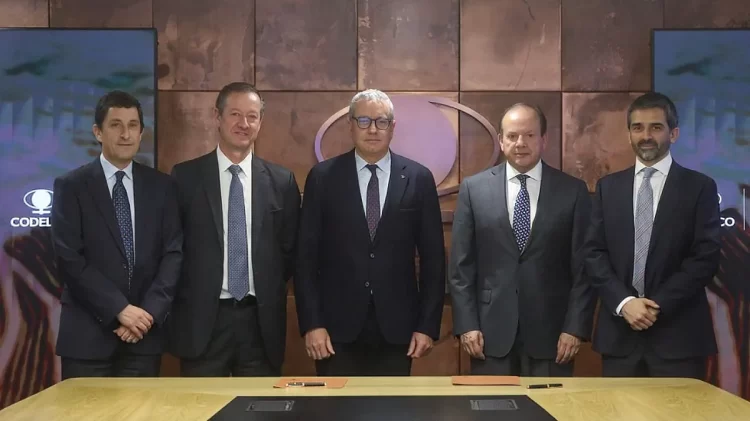
The signing ceremony in Santiago was attended by the highest levels of both organizations, underscoring the project’s national importance.
Codelco’s Strategic Vision
Bernardo Fontaine, President of the Board at Codelco, emphasized that partnerships are now a cornerstone of the company’s growth strategy. "These alliances allow us to accelerate the generation of value from our mineral resources, incorporate the capabilities and specialization of strong partners, and achieve efficient structures to add new production," Fontaine stated. "Tovaku is a premier example of an initiative that mobilizes investment and captures value for both Codelco and the nation."
Jorge Gómez, Executive President of Codelco, added that the focus is now squarely on execution. "The challenge is to advance responsibly to transform this resource into new copper production, doing so safely, competitively, and sustainably. We are committed to generating significant local employment and regional development opportunities throughout the construction and operational phases."
Pucobre’s Commitment
The leadership of Pucobre expressed equal enthusiasm for the technical and operational rigor of the project. Cristián Arnolds, Vice President of Pucobre, highlighted the role of the mid-tier mining sector: "Tovaku proves that mid-sized Chilean mining companies possess the capacity to develop high-demand projects. We have accepted this challenge with the conviction that this alliance will create long-term value."
Sebastián Ríos, General Manager of Pucobre, provided technical context to the success: "Today, we possess a completed feasibility study and a clear development plan. This milestone is the culmination of years of technical work to prove that this site is not just a geological prospect, but a viable, profitable industrial operation."
Broader Implications for the Chilean Mining Sector
The Tovaku project serves as a microcosm of the future of Chilean mining. As the industry faces the dual pressures of maturing deposits and increasing demands for environmental, social, and governance (ESG) compliance, the "Codelco-Pucobre" model offers a blueprint for success.
1. Scaling Through Partnership
By blending the vast asset holdings of the state giant (Codelco) with the specialized operational focus of a medium-sized firm (Pucobre), the project mitigates risk and optimizes decision-making. This structure is likely to become a template for future developments in the Andean region.
2. Sustainability as a Business Case
The decision to utilize untreated seawater and optimize for low-acid consumption demonstrates that sustainability is no longer a peripheral concern but a core component of economic viability. By reducing the project’s reliance on desalinated water, the partners have significantly lowered the "all-in sustaining cost" (AISC) and the energy footprint of the operation.
3. Economic Stability and Employment
With a total investment of $870 million, Tovaku will be a major driver of the local economy in the Antofagasta region. Beyond the direct jobs created during the construction and operation phases, the project will stimulate regional service sectors, engineering consultancies, and logistics providers, reinforcing the role of mining as the primary engine of the Chilean economy.
Conclusion: Looking Toward 2030
As the industry turns its attention to the upcoming phases of engineering and permitting, the Tovaku project stands as a testament to the endurance of the Chilean mining sector. By combining clear, data-driven planning with a robust financial partnership, Codelco and Pucobre have set the stage for a new, highly efficient source of copper. As global demand for copper continues to rise in support of the energy transition, projects like Tovaku are not just corporate milestones—they are essential contributions to the global supply chain, ensuring that Chile remains at the forefront of the sustainable mining revolution for decades to come.