A Landmark Project in Renca
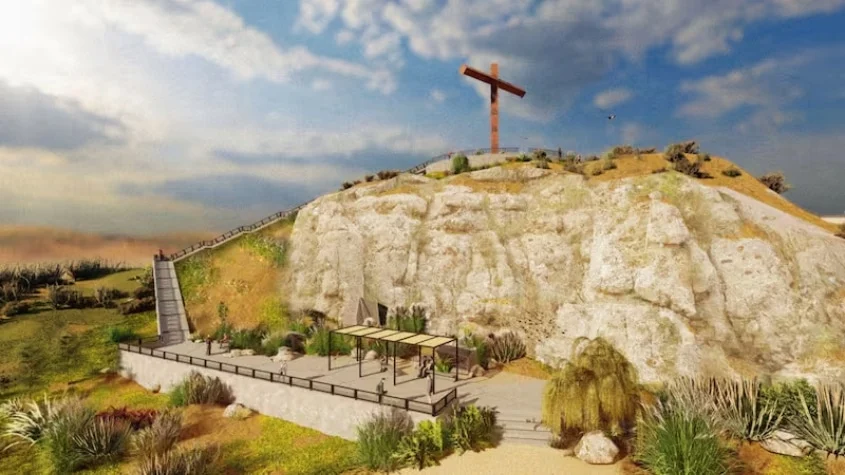
The urban landscape of Santiago de Chile is poised for a dramatic transformation. The municipality of Renca has officially launched the public tender for a monumental tourism infrastructure project that promises to redefine the city’s skyline and elevate its recreational offerings to an international standard. At the heart of this development is a high-altitude, 360-degree observation deck, accompanied by an expansive 3.7-kilometer trail system integrated into the natural contours of the Renca hills.
This project is not merely an architectural endeavor; it is a strategic urban intervention designed to provide a massive boost to local tourism, potentially serving over one million visitors annually. By merging modern engineering with natural landscapes, the initiative seeks to bridge the gap between urban development and environmental conservation, positioning Renca as a new focal point for both domestic and international tourism in the Chilean capital.
Main Facts and Technical Specifications
The project, which has already entered the competitive public bidding phase, represents a significant investment in the city’s public infrastructure. The centerpiece—a sophisticated panoramic viewpoint—will be positioned at a vantage point that, according to municipal authorities, will exceed the height of the iconic Costanera Center. While the Costanera Center has long held the title of the tallest building in South America, this new structure will leverage the natural topography of the Renca hills to offer a higher elevation and, consequently, a more comprehensive view of the Santiago valley.
The development is categorized into three primary components:
- The 360-Degree Lookout: A high-tech viewing platform designed for safety and maximum visual reach, allowing observers to see the capital from its northern reaches to its southern outskirts.
- The 3.7-Kilometer Trail Network: A sophisticated path system designed to provide hikers and tourists with a scenic route through the hills, equipped with strategic resting areas and shaded zones to encourage long-term use.
- Themed Public Plazas: The project includes the construction of three distinct thematic spaces: a main general access plaza, a specialized "Plaza de la Niñez" (Children’s Plaza) designed for families, and a plaza dedicated to honoring Chile’s indigenous heritage and ancestral history.
Chronology of Development
The timeline for this ambitious project is clearly defined, with major milestones approaching in the coming months and years:

- Current Phase (Late 2026): The project is currently in the public tender stage. The municipality is evaluating proposals from top-tier construction and architectural firms.
- October 14, 2026: This serves as the critical deadline for the submission of bids from prospective construction companies. The selection process will prioritize technical feasibility, environmental impact, and cost-efficiency.
- Early 2027: Construction is slated to officially begin. This initial phase will focus on site preparation, access road improvements, and the foundational work for the lookout structure.
- Mid-to-Late 2027 and Beyond: As the project progresses, the phased opening of the trails and plazas is expected, eventually culminating in the inauguration of the 360-degree viewpoint.
Official Responses and Municipal Vision
Claudio Castro, the Mayor of Renca, has been the primary champion of this initiative. During a recent press briefing, Castro emphasized that the project is aimed at social equity as much as it is at tourism.
"We are building a legacy that belongs to every citizen of Santiago," Mayor Castro stated. "By constructing a viewpoint that surpasses the height of the city’s most famous skyscraper, we are not just providing a tourist attraction; we are democratizing the view of our city. For the first time, visitors will be able to appreciate the full scale of Santiago from a public, accessible, and world-class vantage point."
The municipal administration views this project as a tool to revitalize the Renca district, which has historically been overlooked in the city’s tourism promotion strategies. By bringing millions of visitors to this sector, the local government anticipates a significant surge in local commerce, the creation of service-sector jobs, and an overall improvement in public perception of the area.
Modernity, Inclusion, and Universal Access
One of the most praised aspects of the design is its commitment to inclusivity. In an era where urban planning is increasingly scrutinized for its accessibility, the Renca project sets a high bar. The entire development will feature cutting-edge LED lighting systems to ensure safety and usability during evening hours, while the infrastructure itself is designed with universal access principles at its core.
The design team has ensured that individuals with physical disabilities can navigate the trails and access the viewpoint without the traditional barriers found in mountain terrain. Furthermore, the investment package includes the procurement of two specialized, high-mobility assistance vehicles. These vehicles will be stationed at the site to provide transportation support for elderly visitors or those with limited mobility, ensuring that the experience remains equitable for all residents and tourists regardless of physical ability.

Implications for Santiago’s Economy and Tourism
The implications of this infrastructure project extend far beyond the immediate construction sector. Economists specializing in urban development suggest that such a high-profile landmark will serve as a "catalyst project." Similar to how the Costanera Center changed the dynamics of the Providencia district, the Renca viewpoint is expected to stimulate real estate development, transport improvements, and a new ecosystem of small businesses, including cafes, souvenir shops, and guided tour services.
Furthermore, the focus on environmental sustainability is a critical implication of the design. By incorporating a nearly 4-kilometer trail, the project encourages outdoor physical activity and fosters a closer connection between the urban population and the natural environment of the surrounding hills. This is particularly important for a city like Santiago, which is often criticized for its lack of accessible green spaces.
Challenges and Future Outlook
While the project enjoys strong support, the challenges of such a large-scale construction in a mountainous environment cannot be ignored. Engineering the foundations for the observation deck and ensuring the structural integrity of the trails against seismic activity—a constant consideration in Chile—will be the primary focus for the winning construction firm.
Additionally, the logistics of managing a potential influx of one million visitors per year will require significant coordination with the Metropolitan Region’s transport authorities. Integrating the site into the existing public transit network (such as extending bus routes or shuttle services) will be essential to ensure that the project remains a sustainable destination rather than a source of traffic congestion for the residents of Renca.
Conclusion: A New Era for Renca
The Renca viewpoint project represents a pivotal moment for Santiago. By moving forward with this tender, the municipality is signaling a clear shift toward a more integrated, inclusive, and tourism-oriented urban model. As the October 14 deadline for bid submissions approaches, the construction industry is watching closely.

If executed according to the vision presented, the project will not only offer a spectacular, record-breaking view of the capital but will also serve as a blueprint for how cities can leverage their natural landscape to enhance the quality of life for their citizens. As the first half of 2027 approaches, anticipation is high that the "Mirador de Renca" will become a defining landmark of the Chilean capital, synonymous with modernization, inclusivity, and the enduring beauty of the Andes.
For those interested in following the progress of this project, official updates regarding the tender process and construction milestones are available through the Santiago municipal portals and the regional planning authorities.