Executive Summary: Bridging the Political Divide
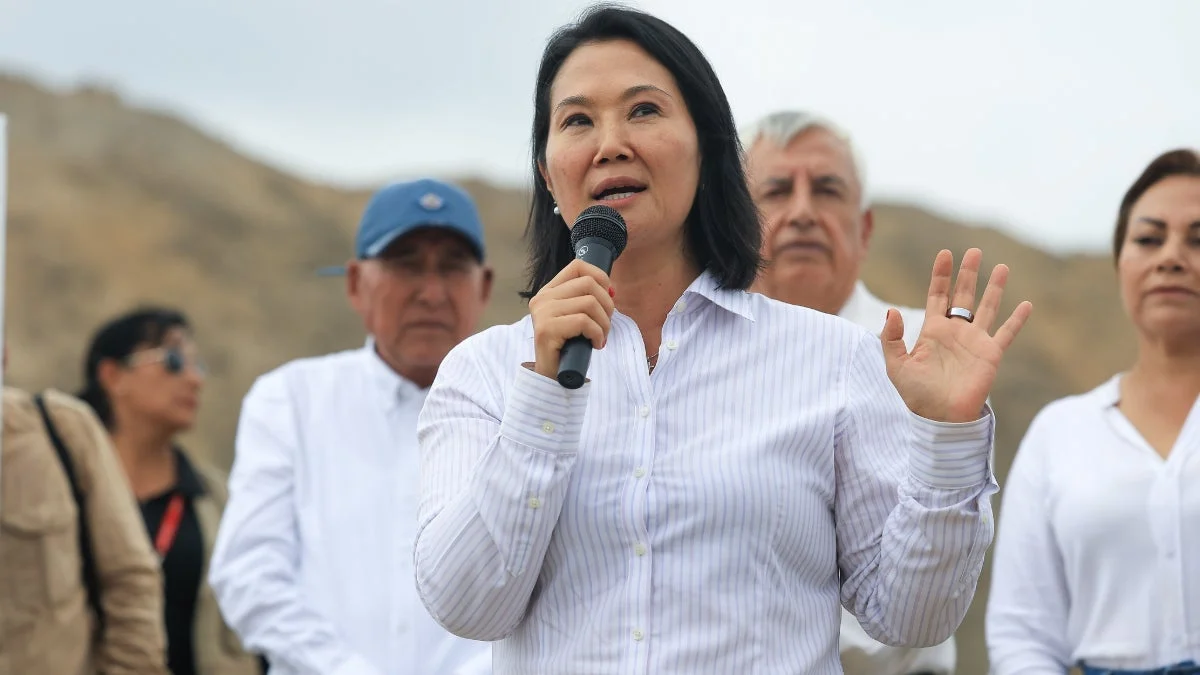
In a high-stakes appeal for national cohesion, the President of the Republic, Keiko Fujimori, has called upon the Peruvian Congress to set aside partisan rivalries and unite in the face of escalating national crises. The President’s message, delivered during the solemn 205th-anniversary commemoration of the Peruvian Navy and the 147th anniversary of the Battle of Angamos, serves as a direct plea for legislative action.
The urgency of her request stems from the recent approval by the Chamber of Deputies of a bill granting the Executive branch extraordinary legislative powers. These powers are specifically designed to address two of the most pressing challenges currently facing the nation: the surge in urban crime and the impending threat posed by the El Niño phenomenon. As the legislative package moves toward a decisive debate in the Senate, the administration is betting on a collaborative spirit that transcends traditional political polarization.
Chronology of the Legislative Process
The path toward the current impasse and subsequent hope for resolution has been marked by a series of intense legislative debates:
- October 5-6, 2026: The Constitutional Committee of the Chamber of Deputies engages in marathon sessions to deliberate on the scope of the executive branch’s request for delegated powers.
- October 7, 2026: In a pivotal session, the Chamber of Deputies officially approves the dictamen (report) in majority. The vote count stands at 66 in favor, 34 against, and 24 abstentions, signaling a fractured but functional legislative consensus.
- October 8, 2026: President Fujimori utilizes the platform of the Naval Anniversary ceremony at the Plaza Grau to frame the legislative request as a "moral imperative" akin to the sacrifice of Admiral Miguel Grau.
- October 13, 2026 (Scheduled): The Senate of the Republic is slated to hold a formal plenary session to debate and potentially ratify the bill, marking the final hurdle before the Executive can begin drafting emergency decrees.
The Weight of History: Lessons from Admiral Miguel Grau
The choice of the Battle of Angamos as the backdrop for this political appeal was highly intentional. Admiral Miguel Grau, known as the "Gentleman of the Seas," remains the preeminent symbol of unity and honor in Peruvian history.
"We are not living in the times of Grau, facing an external war on a battlefield," the President remarked to the assembly of naval officers and dignitaries. "But we are embroiled in another war—a war against crime that is claiming the lives of our citizens daily."
The President’s rhetoric sought to evoke a sense of national duty. By invoking the "white flag of peace," she challenged legislators to consider whether their political agendas take precedence over the immediate safety of the populace. The comparison is a calculated rhetorical device designed to paint obstructionist behavior as a betrayal of the national interest, effectively raising the political cost for those intending to block the measure in the Senate.
Supporting Data: Why Legislative Powers are Deemed Necessary
The Executive’s request for a 90-day period of delegated legislative authority is rooted in a data-driven assessment of the current state of affairs:
1. The Security Crisis
Data from the Ministry of the Interior indicates a 15% increase in violent crimes in major metropolitan areas over the last six months. Current legislation is perceived by the administration as outdated, lacking the agility required to dismantle sophisticated transnational criminal organizations involved in extortion, kidnapping, and illicit trafficking. The requested powers would allow the Executive to overhaul penal procedures, tighten control over borders, and implement advanced surveillance protocols without the delays inherent in the traditional legislative cycle.
2. The El Niño Threat
Climate projections from the National Service of Meteorology and Hydrology (SENAMHI) indicate a high probability of severe weather patterns associated with El Niño. The existing bureaucratic framework for disaster risk management is often cited as a bottleneck that slows the disbursement of funds and the execution of preventive infrastructure projects (such as river desilting and fortification of flood-prone zones). The delegated powers would authorize the government to bypass standard procurement hurdles, ensuring that vital resources reach the regions before the heavy rains commence.
Official Responses and Political Implications
The political landscape remains volatile. While the Chamber of Deputies has signaled its approval, the Senate represents a more complex arena.
The Administration’s Stance
The President’s cabinet has maintained that the request is not a power grab, but a "necessary tool for survival." Ministers argue that the 90-day window is strictly limited and subject to oversight, ensuring that the Executive remains accountable to the Legislative branch even while exercising these powers.
Congressional Perspectives
- Pro-Government Bloc: Argue that the state is currently "handcuffed" by an overly rigid legal framework that favors the rights of criminals over the security of the public.
- Opposition Voices: While some have supported the measure, others remain skeptical, citing concerns over potential abuses of power. They argue that the Executive should work within the existing committee structure rather than requesting "blank checks."
- The Swing Vote: The 24 abstentions in the Chamber of Deputies highlight a segment of the legislature that is caught in the middle. Their decision-making process will be heavily influenced by public opinion and the pressure exerted by the President’s recent public appeal.
Looking Ahead: The Senate Debate
As the October 13 deadline approaches, the nation’s attention turns to the Senate. The implications of this vote are far-reaching:
- If Approved: The Executive will immediately initiate a series of emergency decrees. The success or failure of these initiatives will define the remainder of the administration’s term. Public expectations will be high, and any failure to curb crime or manage disaster preparedness will be directly attributed to the President.
- If Rejected: The country risks a significant political crisis. The Executive would likely be forced to declare a state of emergency to achieve similar results, a move that would be far more controversial and likely to trigger widespread social unrest and judicial challenges.
The President’s closing words during the ceremony were a final appeal to the collective conscience of the political class: "Confío sinceramente en que el Congreso prevalezca el ejemplo de Grau sobre la confrontación y el resentimiento."
Whether the Congress chooses to adopt this "Grau-like" spirit of self-sacrifice or continues to prioritize partisan maneuvering remains the defining question of the week. As the Senate prepares for its plenary session, the eyes of the nation are fixed on the capital, awaiting a decision that will either consolidate a new era of executive action or deepen the rift between the branches of government.
For the Peruvian people, the outcome is not merely a matter of legislative procedure; it is a matter of immediate safety, economic stability, and the fundamental promise of a secure future. The coming days will test the resilience of the country’s democratic institutions and the commitment of its leaders to the common good.