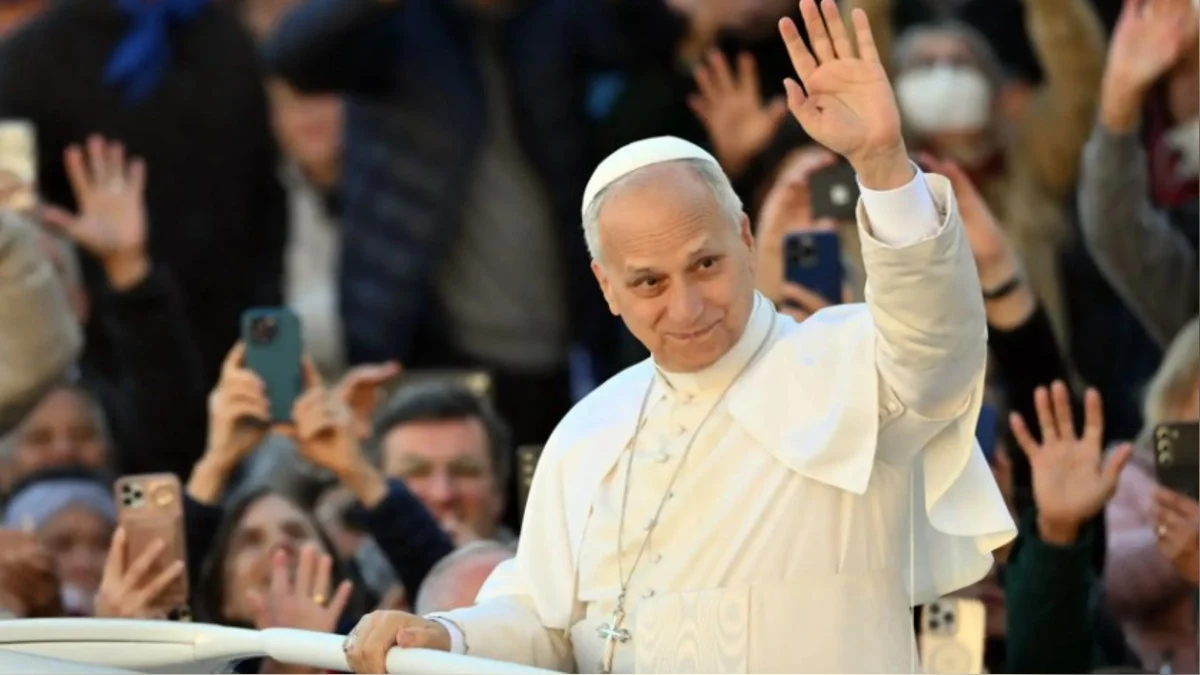
As Peru prepares to welcome Pope Leo XIV this coming November, the government is intensifying its logistical and administrative efforts to manage an unprecedented surge in domestic and international travel. With an estimated 854,000 people expected to traverse the country to catch a glimpse of the Pontiff, the Ministry of Foreign Trade and Tourism (Mincetur) is currently finalizing a comprehensive strategy to ensure public safety, economic stability, and smooth mobility.
Minister Rogers Valencia, the lead voice on the government’s travel and tourism strategy, has indicated that the administration is on the verge of declaring significant non-working days. These measures are designed not merely as a holiday, but as a strategic tool to facilitate the movement of thousands of pilgrims toward major urban centers, including Lima, Chiclayo, Trujillo, Piura, Cusco, and Pucallpa.
Main Facts: The Scope of the Operation
The logistical challenge of hosting a papal visit of this magnitude is substantial. The government’s revised projections suggest that over 854,000 individuals will be on the move during the papal itinerary. Of this total, approximately 50,000 are expected to be international tourists, placing significant pressure on the country’s existing infrastructure.
The core proposal currently sitting before the Council of Ministers involves the implementation of "macro-regional" non-working days. Unlike previous large-scale events where localized holidays were the norm, the government believes a broader geographical scope for these compensable leave days will prevent massive traffic bottlenecks and allow citizens from neighboring regions to travel more easily to the host cities.
"The goal is to facilitate the displacement of people," Minister Valencia stated during a recent interview with Economía para Todos. "By widening the scope of the non-working days, we hope to streamline the flow of visitors coming from regions adjacent to the cities where the Pope will hold his activities."
Chronology of Government Preparations
The roadmap leading up to the November visit has been a months-long endeavor of inter-ministerial coordination.
- Initial Planning Phase (August–September): The government established a dedicated committee led by the Ministry of Foreign Affairs (Cancillería) to harmonize efforts between the state, the private sector, and the Catholic Church.
- Early October: Mincetur began revising its initial travel projections. The estimate of 800,000 visitors was updated to 854,000, prompting a shift in logistics to accommodate higher demand.
- October 9: This date marks a critical juncture in the planning process. The Council of Ministers is scheduled to meet to formally deliberate on the Ministry of Labor and Employment Promotion’s report regarding the declaration of compensable non-working days for both public and private sector employees.
- November (Scheduled): The Apostolic Visit of Pope Leo XIV, during which the implemented policies will be put to the ultimate test of public capacity.
Supporting Data: Mobility and Accommodation
The sheer volume of movement expected requires a departure from traditional tourism management. To address the strain on transportation, the government has taken the proactive step of authorizing a temporary, specialized flight route connecting Cuenca, Ecuador, directly to Chiclayo. This international connectivity is vital for handling the influx of visitors from the northern border, a region where pilgrimage interest is exceptionally high.
Addressing the Lodging Deficit
One of the most pressing concerns for the organizing committee is the capacity of the hospitality sector in secondary cities such as Chiclayo and Pucallpa. Standard hotel inventories are expected to reach full occupancy within days of the official announcement. To mitigate this, Mincetur has unveiled a novel "home-sharing" initiative.
"We are working in Pucallpa and Chiclayo to facilitate the formalization of private homes for lodging," Minister Valencia explained. "This is a phenomenon that happens organically—people often stay with family or friends—but we are attempting to bring structure and safety to this model, mirroring the efficiency of platforms like Airbnb."
This effort to "order" the informal lodging market is intended to provide a reliable safety net for thousands of pilgrims who would otherwise find themselves without accommodation. The ministry is working to ensure these private residences meet basic standards of safety and hospitality.
Official Responses and Ministerial Coordination
The government’s strategy is not limited to tourism. The Ministry of Labor and Employment Promotion (MTPE) is spearheading the legal framework for the "compensable" non-working days. This distinction is crucial; while employees will be granted time off to attend papal events, the legislation mandates that these hours must be recovered later, ensuring that the national economy does not suffer a significant productivity hit.
Minister Valencia has emphasized that the Ministry of Foreign Affairs remains the primary coordinator for the event. This oversight is necessary to manage the delicate balance between high-security protocols required for a head of state and the pastoral nature of the Pope’s visit.
Private Sector Engagement
The private sector is playing a pivotal role, particularly in the conditioning of the sites where the Pontiff will conduct his liturgies and public audiences. From temporary staging to sanitation and traffic control, corporate partners are being leveraged to provide services that the public sector alone could not sustain.
Implications for the Future
The decision to facilitate travel through macro-regional holidays and the formalization of home-sharing networks marks a potential turning point for how Peru manages "mega-events."
Economic Impact
While the logistical costs are high, the economic benefits are expected to be substantial. The hospitality sector, transport companies, and local retailers in host cities are poised for a significant injection of capital. By enabling thousands of visitors to reach these cities, the government is effectively redistributing wealth from the capital to the provinces.
Infrastructural Lessons
The challenges faced in Chiclayo and Pucallpa are providing the government with a roadmap for future infrastructure improvements. The need for better air connectivity and more resilient lodging options is being highlighted by the current crisis of demand. The "temporary" flight routes and home-stay initiatives could serve as pilot programs for future tourism strategies, allowing the government to scale up capacity during high-demand seasons without the need for massive, long-term construction projects.
Social and Religious Cohesion
Beyond the economics, the primary implication remains the social impact of the visit. The government’s willingness to disrupt standard working schedules reflects the cultural and religious importance of the Pontiff’s visit to the Peruvian people. By minimizing barriers to entry—whether they be transportation costs, limited flights, or lack of housing—the state is fulfilling a mandate to ensure that the papal visit is accessible to all, regardless of geographic location.
Conclusion
As the October 9th Council of Ministers meeting approaches, all eyes are on the government’s final decision regarding the official calendar. The success of Pope Leo XIV’s visit will depend heavily on the effectiveness of these macro-regional policies. With the Ministry of Foreign Trade and Tourism actively regulating everything from international flight routes to the standardizing of residential rentals, Peru is attempting to transform a logistical nightmare into a showcase of national efficiency and hospitality.
The coming weeks will be a period of intense operational transition. For the millions of Peruvians waiting to see the Pontiff, the government’s promise of "orderly" movement and accessible lodging is more than just a administrative detail—it is the bridge between them and a historic encounter. Whether the government can effectively bridge these gaps remains to be seen, but the groundwork laid by Minister Valencia and his colleagues represents one of the most comprehensive planning efforts for a public event in recent Peruvian history.