The Peruvian government, through the Ministry of Agrarian Development and Irrigation (MIDAGRI), has mobilized a comprehensive disaster risk reduction strategy in anticipation of the potential impacts of the El Niño phenomenon. As the nation braces for the threat of heavy rainfall and subsequent river flooding, the National Water Authority (ANA) has assumed a central role as the Technical Secretariat for the newly installed Multisectorial Commission. This initiative represents a strategic pivot toward proactive infrastructure maintenance and community protection, particularly in the vulnerable northern regions of Lambayeque, Piura, and Tumbes.
Main Facts: A Coordinated Regional Response
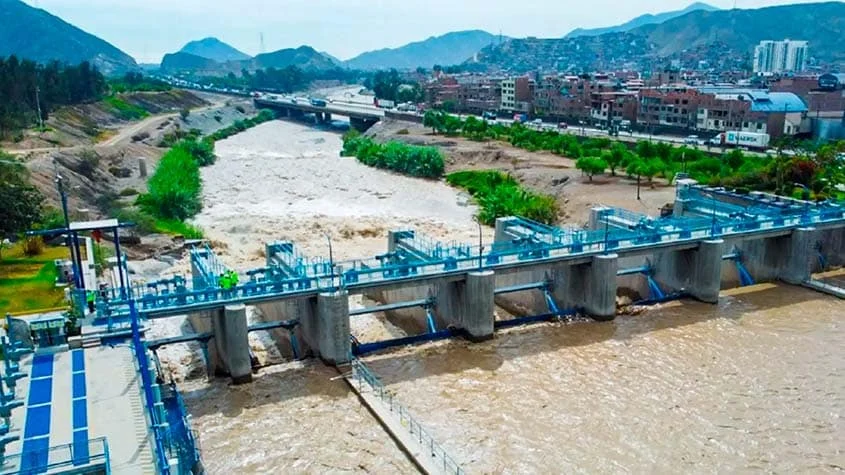
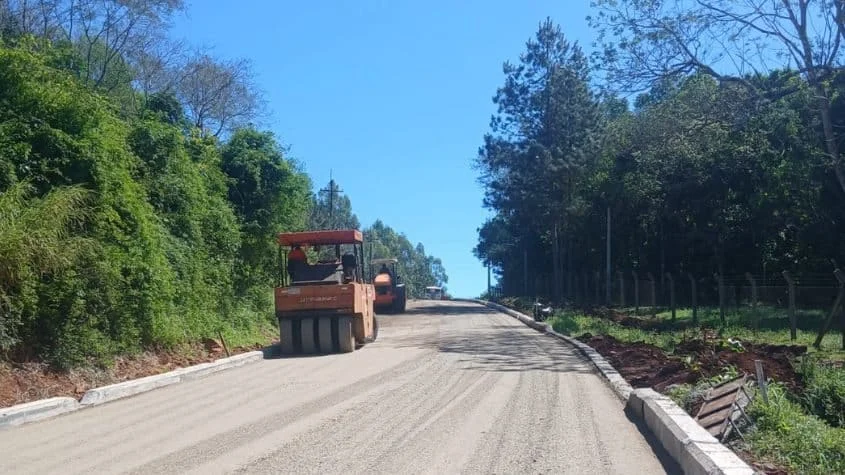
The primary mission of the Multisectorial Commission is twofold: to ensure the preservation of human life and to provide a robust safety net for small-scale agricultural producers who form the backbone of the region’s economy. To achieve these goals, the ANA is orchestrating a massive series of engineering interventions, including the descolmatación (desilting) of riverbeds, the reinforcement of hydraulic infrastructure, and the fortification of vital transit routes.
The initiative is not merely reactive; it is an integrated response mechanism designed to anticipate high-risk scenarios. By prioritizing the structural integrity of riverbanks and irrigation channels, the ANA aims to minimize the economic and social fallout that typically follows extreme meteorological events in northern Peru.
Chronology of Operations
The timeline of these interventions began in late July 2026, ahead of the formal installation of the Multisectorial Commission.

- Late July 2026: Initial assessments of high-risk zones in Lambayeque, Piura, and Tumbes identified the most critical bottlenecks in local hydraulic networks.
- August 1, 2026: Launch of major descolmatación works in the El Rinconazo sector of Lambayeque.
- Early August 2026: Deployment of heavy machinery, including excavators and front-end loaders, to the Puente Francos sector in Tumbes.
- Mid-August 2026: Completion of the documentation process for 205 water usage licenses in the Jequetepeque hydraulic sector, ensuring legal security for local farmers.
These actions form a coherent sequence of preparatory steps designed to harden the landscape against the hydraulic pressures expected during the upcoming rainy season.
Detailed Regional Interventions: Data and Scope
Lambayeque: Protecting the Tumán District
In the district of Tumán, the ANA is focusing its efforts on the El Rinconazo sector. The scope of work involves clearing approximately 1.8 kilometers of riverbed, a measure essential for maintaining natural drainage during heavy surges. The impact of this project is significant, as it provides a protective barrier for roughly 500 residents, 100 residential dwellings, 400 meters of critical roadway, and essential bridge infrastructure. Furthermore, the ANA is collaborating with the Regional Government of Lambayeque to integrate geobags (geotextile containers) into the riverbank design, providing a flexible and durable solution to prevent erosion at this critical site.
Tumbes: Securing the Agricultural Heartland
The interventions in Tumbes are concentrated on the right bank of the Tumbes River, specifically near the Puente Francos area in the Pampas de Hospital district. With a target of 1.72 kilometers of clearing, the project is designed to safeguard 234 hectares of banana plantations—a critical export crop for the region.
The logistical commitment here is substantial. The ANA has deployed eight units of heavy machinery:

- 1 Crawler Tractor: For heavy earthmoving and terrain shaping.
- 1 Excavator: For deep channel desilting.
- 2 Front-end Loaders: For clearing and debris management.
- 4 Dump Trucks: For the efficient removal of sediment and material.
The project directly benefits 117 families (approximately 585 individuals), ensuring not only the safety of their homes but the continued viability of their primary source of income. By maintaining the integrity of the hydraulic and water supply infrastructure, the ANA is preventing the localized disasters that historically result from clogged channels.
Piura and La Libertad: Strengthening Governance
While heavy machinery operations dominate the headlines in Tumbes and Lambayeque, the ANA’s work in Piura continues with a focus on vulnerable population centers and agricultural zones. Simultaneously, in the La Libertad region, the focus has shifted toward institutional strengthening. As of July 31, 2026, the ANA successfully reached its target of delivering 205 water usage licenses to agricultural users within the Jequetepeque Minor Hydraulic Sector. Providing these users with legal certainty is a key aspect of "soft" disaster risk reduction; when farmers have secure water rights and clear regulatory standing, they are better equipped to invest in the sustainable management of their land, which includes personal efforts to maintain irrigation ditches and protective embankments.
Official Responses and Strategic Implications
The leadership of the ANA has emphasized that the multisectoral approach is the most effective way to combat the unpredictable nature of El Niño. By acting as the Technical Secretariat, the ANA bridges the gap between high-level government policy and boots-on-the-ground engineering.
"Our goal is not just to clean rivers, but to create a resilient agricultural ecosystem," a representative for the authority noted. The strategy relies on a combination of engineering prowess and administrative agility. By prioritizing sites like Puente Francos, where population density meets high-value agricultural production, the government is utilizing its resources where they will have the highest "life-saving" impact.

Implications for the Future
The current interventions serve as a blueprint for long-term climate adaptation in Peru. The El Niño phenomenon is a recurring challenge, and the transition from a purely emergency-response model to a systematic, preventative one represents a maturation in the nation’s disaster risk management.
- Economic Stability: By protecting the banana and rice-producing regions of the north, the ANA is preventing inflationary spikes in food prices that often follow natural disasters.
- Social Cohesion: Protecting 100 homes in Lambayeque or 117 families in Tumbes prevents the displacement of citizens, reducing the burden on municipal social services.
- Infrastructure Longevity: Clearing the caja hidráulica (hydraulic box) ensures that bridges and roads—infrastructure that costs millions to construct—are not undermined by sudden, turbulent water flows.
Conclusion: A Race Against Time
As the season progresses, the vigilance of the ANA and the Multisectorial Commission will remain paramount. The successful execution of these preventive works in the northern regions is a testament to the government’s commitment to climate resilience. However, the true success of these measures will be measured by the minimal impact of the upcoming rains.
The integration of legal reform (water licensing) with physical engineering (descolmatación) offers a holistic path forward. As Peru continues to face the environmental uncertainties of the 21st century, these interventions in Lambayeque, Piura, and Tumbes provide a necessary shield for the citizens and the vital agricultural industries that sustain the national economy. The work continues, with the ANA remaining on high alert to adjust tactics as new meteorological data becomes available, ensuring that the country remains one step ahead of the climate-driven challenges on the horizon.