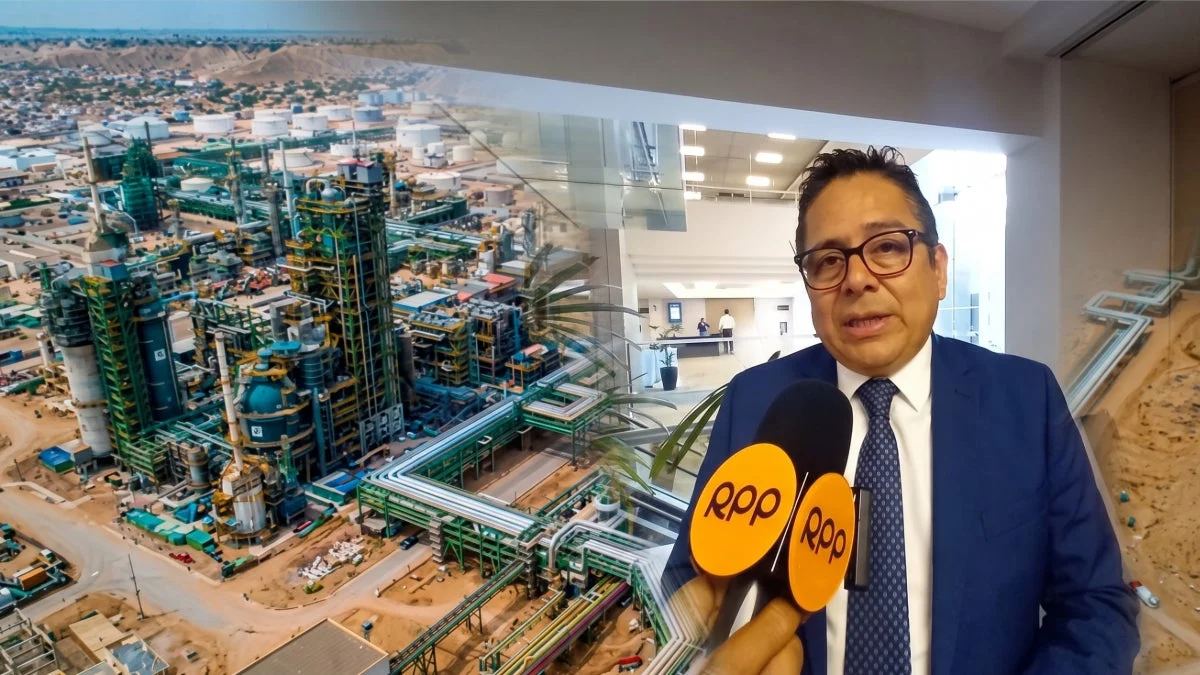
After three months of mounting anticipation and severe operational strain, the long-awaited $475 million financial lifeline for Petroperú is finally entering its final stage of execution. Luis Del Carpio, the newly reappointed Executive Director of ProInversión—the entity overseeing the state-owned oil company’s complex restructuring process—confirmed that the disbursement is expected to be finalized within the coming days of September.
This development marks a critical juncture for Peru’s state-owned oil giant, which has been grappling with a crippling liquidity crisis that has disrupted its supply chain, impacted national fuel distribution, and drawn intense scrutiny from regulatory bodies.
The Core Facts: A Necessary Injection of Liquidity
The $475 million "bridge loan" is a vital component of a broader $2 billion financial rescue package initially unveiled in May. This capital is not intended for long-term infrastructure expansion or ambitious new projects; rather, it is earmarked for the immediate, existential requirements of the company: purchasing crude oil and maintaining the day-to-day operations of its refineries, most notably the Talara Refinery.
"All the necessary documentation has been signed," Del Carpio stated in an interview with RPP. "The Board of Directors of Petroperú has already communicated the approval of this operation to the securities market. We are now in the execution phase, and we expect the disbursement to occur within this month of September. We will communicate the milestone once it is finalized."
The shift from bureaucratic negotiation to the execution phase provides a glimmer of hope for a company that has been operating on the edge of insolvency for much of 2024.
Chronology of a Crisis: From Announcement to Execution
To understand the urgency of this disbursement, one must look at the timeline of events that led to the current impasse:
- May 2024: The Peruvian government, then under different leadership, announced an ambitious $2 billion financial support plan to salvage Petroperú. The $475 million bridge loan was presented as the first, most urgent tranche of this package.
- June – August 2024: Despite the initial announcement, the liquidity crunch intensified. Petroperú struggled to pay international suppliers, leading to a bottleneck at ports where tankers remained anchored for weeks, unable to offload their cargo due to unpaid invoices.
- Late August 2024: The government announced a reshuffling of the Petroperú Board of Directors, bringing back Oliver Stark as President. Stark had previously warned in early 2024 about the precarious nature of the company’s financial state, emphasizing that without radical structural changes, the company would remain a fiscal black hole.
- September 2024: ProInversión confirms that all legal and financial hurdles have been cleared. The company’s communication to the stock market signifies that the regulatory and administrative requirements are complete, clearing the path for the transfer of funds.
The Cost of Inaction: $39 Million in Penalties
The delay in securing this financing has not been without a steep price. A report by the Office of the Comptroller General (Contraloría) has laid bare the devastating operational inefficiencies caused by the company’s lack of cash.
Between January and August of this year, Petroperú accumulated a staggering $39 million in "demurrage" fees—penalties paid to shipping companies for keeping vessels waiting at port beyond the contractually agreed-upon time. These costs are not the result of "acts of God," weather disturbances, or unforeseen port closures. Instead, the Comptroller’s investigation confirms that these delays were purely financial: the company simply did not have the liquidity to pay for the fuel cargo, and therefore, the vessels could not discharge their contents.
This $39 million represents a catastrophic waste of public funds, underscoring the urgency of the restructuring process. Every day that the company remains unable to clear its financial obligations, it incurs further costs, creating a vicious cycle of debt and operational paralysis.
Structural Challenges and Internal Dissent
The path toward restructuring has faced significant criticism, particularly from the Federation of National Petroleum Workers of Peru (Fenpetrol). The union has expressed deep skepticism regarding the efficiency of the current management strategy.
One of the most contentious points raised by the workers’ federation involves the "cost of the loan." Reports indicate that approximately $25 million will be deducted from the credit facility to cover the costs of structuring the operation, including legal fees and financial advisory services. Fenpetrol has demanded total transparency regarding these deductions, arguing that in a time of crisis, the state cannot afford to lose a significant portion of its rescue package to administrative and advisory overheads.
Furthermore, critics argue that nine months have passed since the initial approval of restructuring measures, yet the company is only now seeing the first tranche of the bridge loan. This glacial pace of implementation has led many experts to question whether the current leadership has the agility required to pivot the company toward a sustainable model.
Implications for the Peruvian Economy
The stability of Petroperú is inextricably linked to the national economy. As the primary supplier of fuel in several regions, any disruption in its supply chain creates a ripple effect:
- Inflationary Pressure: When fuel imports are delayed, the cost of domestic logistics rises, potentially increasing prices for consumers at the pump and affecting the transportation of goods nationwide.
- Fiscal Burden: The government remains the ultimate guarantor of Petroperú’s debts. If the restructuring fails, the fiscal deficit of the nation could be significantly impacted, potentially affecting Peru’s credit rating and cost of borrowing.
- Energy Security: The reliance on the Talara Refinery to meet national demand means that the company’s operational health is a matter of national security.
The Road Ahead: Can Restructuring Save the Giant?
The $475 million disbursement is, at best, a stopgap measure. It provides the oxygen necessary for Petroperú to breathe, but it does not cure the underlying illness. The real challenge for the newly appointed board and the team at ProInversión is to transform the company’s corporate governance.
Experts suggest that for Petroperú to move beyond its current dependency on bridge loans, it must achieve several milestones:
- Operational Efficiency: Reducing the reliance on imported fuel by maximizing the internal processing capacity of the Talara Refinery.
- Decoupling from Politics: Insulating the Board of Directors from political cycles to ensure that long-term strategic decisions are not sacrificed for short-term political optics.
- Transparency and Accountability: Addressing the concerns raised by the Comptroller and unions regarding the high costs of management and consulting services associated with the restructuring.
As the funds move toward the company’s accounts this September, the eyes of the market, the government, and the public will be on Petroperú. The question remains whether this injection of capital will be used to build a robust, self-sustaining enterprise or if it will simply be consumed by the same structural inefficiencies that have plagued the firm for years.
The coming months will be the true test of the current management’s ability to turn the tide. If the $475 million does not lead to a visible improvement in operations and a reduction in port-related penalties, the government may face even more difficult choices regarding the future of the state-owned oil giant. For now, the focus is singular: the successful, immediate, and transparent execution of the disbursement.