The Peruvian economy has reached a significant milestone in its international trade trajectory. According to the latest data released by the Ministry of Foreign Trade and Tourism (Mincetur), Peru’s export sector has demonstrated remarkable resilience and growth, recording an impressive 33% year-on-year increase during the first seven months of 2026. With total exports reaching US$ 63,521 million, the nation has successfully sustained an uninterrupted growth streak for 27 consecutive months, signaling a robust and mature trade ecosystem.
This performance is not merely a reflection of favorable global commodity prices but underscores the structural strengthening of Peru’s exportable supply. As the country navigates a complex global landscape, its ability to pivot toward both traditional mineral wealth and high-value non-traditional goods has solidified its position as a key player in the global supply chain.
A Chronicle of Sustained Growth
The 27-month period of continuous expansion is an unprecedented achievement in recent Peruvian economic history. This streak, which began in mid-2024, reflects a strategic shift in how Peruvian producers interact with global markets.
The first seven months of 2026 have been defined by a "perfect storm" of high demand and supply-side efficiency. By consistently outperforming quarterly projections, the export sector has become the primary engine of the national economy. This period has seen a transition from recovery-based growth to a phase of sustainable expansion, characterized by a broader diversification of product portfolios and deeper penetration into both established and emerging markets.
The Mineral Engine: A Pillar of Strength
Traditional exports continue to represent the backbone of the Peruvian trade balance. During the January–July 2026 window, the mining sector accounted for a staggering US$ 46,284 million, a 49.2% increase compared to the same period in the previous year.
Copper and Gold: The Dual Drivers
The performance of the mining sector was largely anchored by the sustained high prices of copper and gold.
- Copper: As the world’s transition toward renewable energy and electrification intensifies, Peru’s copper exports surged to US$ 21,607 million, reflecting a 43.3% increase.
- Gold: Serving as a global hedge against financial volatility, gold exports reached US$ 16,394 million, a dramatic 56.9% increase.
Beyond these flagship commodities, the mining portfolio demonstrated impressive breadth. Concentrates of lead and silver recorded a massive 105.7% growth, totaling US$ 3,504 million, while zinc exports grew by 11%, contributing US$ 1,669 million to the national coffers.

Beyond Minerals: The Rise of Non-Traditional Exports
While mining dominates the total value, the growth of non-traditional, value-added sectors is critical for long-term economic stability. The government has prioritized these sectors to ensure that the benefits of trade reach a wider segment of the population, particularly through the participation of Small and Medium Enterprises (SMEs).
The Agricultural Revolution
The agricultural sector remains a success story for Peru. With total exports reaching US$ 6,327 million (+2.7%), the nation continues to dominate specific segments of the global produce market.
- Berries and Fruits: The star of the show was the blueberry industry, which surged by 60.8% (US$ 649 million). Grapes (US$ 806 million, +18.2%) and avocados (US$ 1,187 million, +7.3%) continue to be staples of the Peruvian agricultural export basket.
- Specialty Crops: Pomegranate exports grew by 29.5%, and the superfood sector—led by quinoa—saw a 22.5% increase, proving that Peruvian agricultural products maintain a premium status in health-conscious international markets.
Chemicals and Metallurgical Value-Add
The diversification of the industrial sector is equally promising. Chemical exports rose to US$ 1,226 million (+9.9%), driven by high-demand organic and inorganic products. Meanwhile, the metallurgical sector demonstrated that Peru is capable of more than just raw material extraction; it is moving up the value chain with a 14% growth (US$ 1,208 million), particularly in processed copper and zinc derivatives and high-quality silver bars.
Official Perspective: Minister Rogers Valencia’s Assessment
Commenting on these figures, Minister of Foreign Trade and Tourism, Rogers Valencia, emphasized that the data is not a product of chance but the result of a concerted effort to enhance the national export strategy.
"The performance observed in these first seven months is a testament to the strengthening of our national supply and the competitive capacity of our companies in the global arena," Minister Valencia stated. He reaffirmed the Ministry’s commitment to supporting the private sector, focusing on the sustainability and digitalization of export processes. According to the Minister, the goal is to integrate more local producers—especially those in the regions—into the global value chain, ensuring that the fruits of international trade are felt by all, from the micro-entrepreneur to large-scale industry.
The SME Participation: Empowering the Grassroots
Perhaps the most encouraging statistic is the democratization of exports. The number of active exporters in Peru rose to 8,305 during the first seven months of 2026, a 3% increase. Crucially, 66% of these entities are micro, small, and medium-sized enterprises (MIPYMES).
This shift indicates that the export culture is permeating the smaller echelons of the Peruvian business community. By providing these companies with the tools for certification, quality control, and logistics management, Mincetur is fostering a more resilient economic structure that is less dependent on singular, large-scale industrial projects.

Global Markets: A Diversified Portfolio
Peru’s trade map is expanding. While traditional giants remain critical, new partnerships are emerging that provide a buffer against market-specific shocks.
Key Trading Partners
- China: Remains the premier destination for Peruvian goods, with US$ 24,340 million in exports (+37.5%).
- United States: A vital market for non-traditional and agricultural products, totaling US$ 5,971 million (+20.9%).
- European Union: A consistent partner, with US$ 5,618 million in goods traded (+6.5%).
Emerging Opportunities
The most striking growth was observed in markets that have previously been peripheral:
- India: Experienced an explosive growth of 151.7%, reaching US$ 6,184 million.
- Australia: Recorded a 132.9% increase, reaching US$ 1,530 million.
- Suiza: A significant destination for precious metals, seeing a 62.2% surge to US$ 2,323 million.
Implications for the Future
The implications of these 2026 figures are profound. First, the 27-month growth streak provides a level of macroeconomic stability that bolsters investor confidence in the Peruvian Sol and the national banking system. Second, the heavy investment in agricultural technology and value-added manufacturing creates a "cushion" that will help the economy withstand potential future fluctuations in mineral prices.
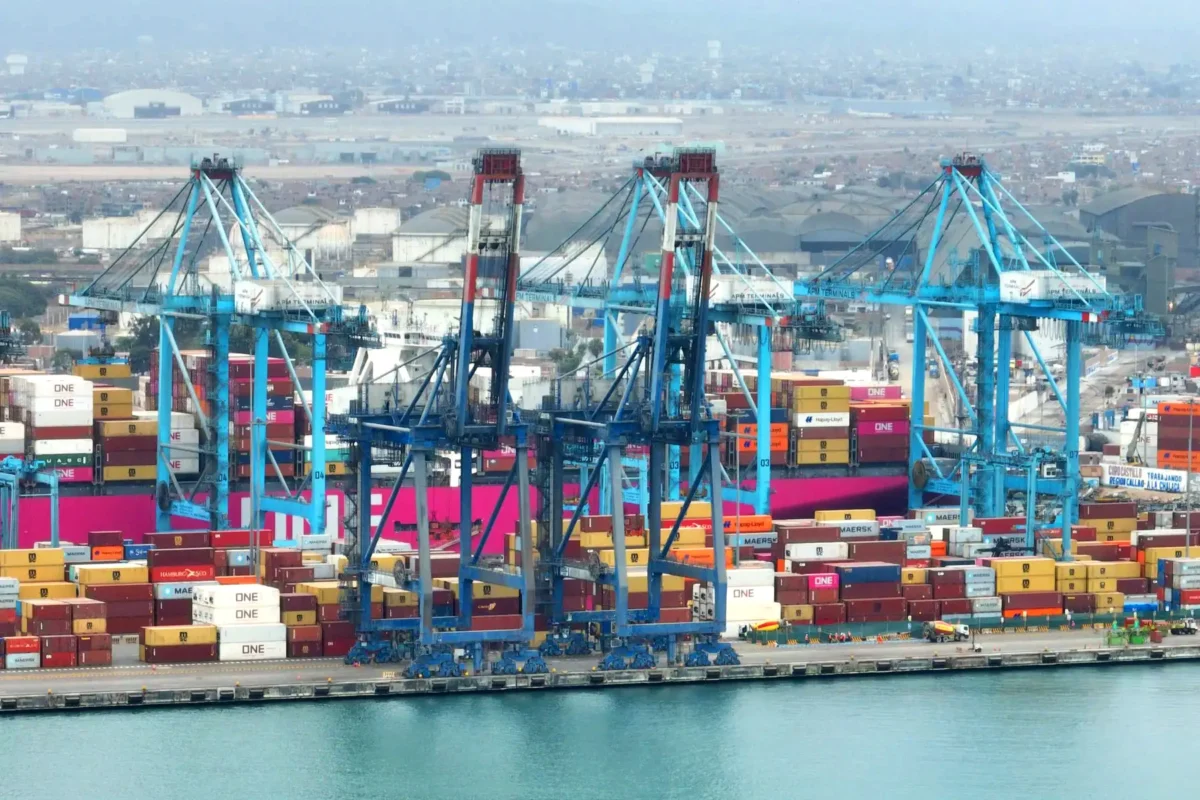
However, the challenge remains to maintain this pace. As global geopolitical tensions persist, Peru’s continued success will depend on its ability to maintain trade openness, improve internal logistics (such as port and road infrastructure), and continue the digital transformation of its customs and sanitary inspection processes.
In conclusion, the data from the first seven months of 2026 paint a picture of a nation that has matured in its trade practices. By combining the massive wealth of its natural resources with a growing commitment to value-added goods and SME participation, Peru is successfully defining its role in the 21st-century global economy—one that is both ambitious and increasingly diversified.