The transformation of Lima’s urban landscape and its logistical connectivity is reaching a critical milestone. As construction intensifies on the Santa Rosa Bridge—a pivotal infrastructure project designed to provide a definitive, secure, and high-capacity access route to the new Jorge Chávez International Airport—the Ministry of Transport and Communications (MTC) has confirmed that the project remains firmly on track.
This eight-lane mega-structure represents more than just a bridge; it is the vital artery that will resolve long-standing traffic bottlenecks, ensuring that the millions of passengers and tons of cargo moving through Peru’s primary aviation hub do so with unprecedented efficiency. With key structural phases reaching completion and the highly anticipated installation of metallic beams slated for the coming weeks, the project is a testament to the rigorous engineering standards currently being applied to the capital’s infrastructure.
Main Facts: Engineering a Gateway to the Skies
The Santa Rosa Bridge is designed to be a high-capacity conduit, featuring eight lanes of transit that will facilitate the massive influx of traffic expected at the expanded Jorge Chávez International Airport. The project is not merely an isolated span over the Rímac River; it is an integrated engineering complex that includes:
- Eight-lane capacity: Designed to manage high-volume traffic flows from the Morales Duárez avenue corridor.
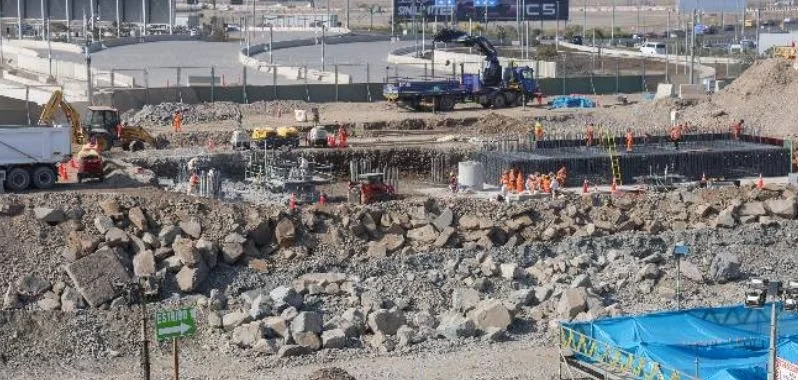
- Deep-Foundation Engineering: Each of the primary abutments (estribos) is anchored by 16 concrete piles, each plunging 22 meters into the earth to ensure seismic resilience and structural longevity.
- Integrated Access Corridors: Beyond the bridge itself, the project includes the construction of new access roads and a complex grade-separated junction (paso a desnivel) on Avenida Morales Duárez.
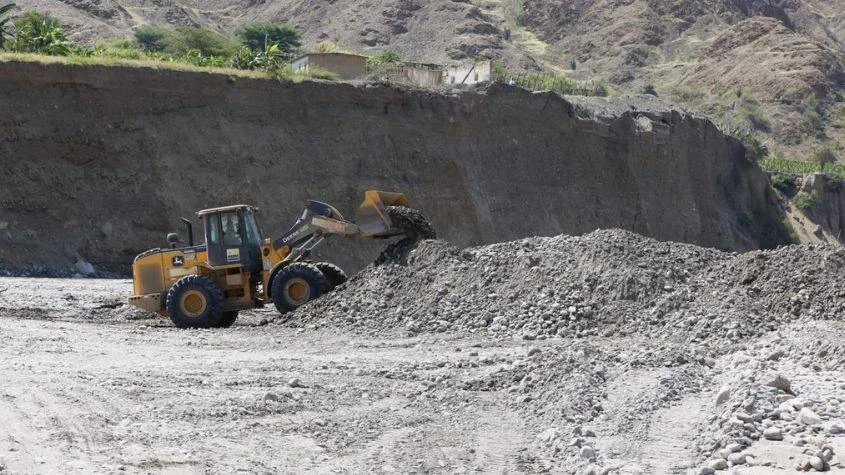
- River Defense Systems: A massive reinforcement effort along the banks of the Rímac River, involving the strategic placement of rock armor to prevent erosion and protect the structural integrity of the abutments against the hydrological risks posed by the El Niño coastal phenomenon.
Chronology of Execution: From Foundation to Completion
The project’s timeline is defined by high-precision milestones. The MTC’s current strategy focuses on simultaneous work streams to maximize efficiency.
Recent Milestones (Q3 2026)
In the previous week, engineering teams successfully completed the pouring of 310 cubic meters of high-strength concrete for the left abutment, which interfaces directly with the Morales Duárez avenue. This marked a significant breakthrough in the "structural skeleton" phase.

Immediate Outlook (Q4 2026)
As of this week, teams are performing the corresponding concrete pour for the right abutment. The synchronization of these two points—the bridge’s literal "anchors"—is scheduled for completion by the end of October 2026. This completion serves as the critical prerequisite for the next major phase: the delivery and assembly of the bridge’s massive metallic beams.
Future Milestones (2027)
- November 2026: Commencement of the metallic beam installation.
- May 2027: Scheduled completion of the bridge’s main platform.
The synchronization of these tasks is vital. By ensuring that the foundational work is completed before the peak of the rainy season, the MTC mitigates the risk of delays, ensuring that the project remains within its projected delivery window.
Supporting Data: Infrastructure and Resilience
The scale of the operation is significant. More than nine heavy-duty excavators are currently deployed solely for the river defense works on the left bank of the Rímac River. This effort is critical for the safety of the infrastructure. The inclusion of the river defense system is a proactive measure against climate variability; by stabilizing the riverbanks, the MTC is ensuring that the bridge remains immune to the seasonal fluctuations and potential overflows of the Rímac River.
The sheer volume of material—demonstrated by the 310 cubic meters of concrete poured in a single cycle—highlights the intensity of the site operations. The piles, reaching 22 meters deep, are designed to exceed national safety standards for seismic resistance, acknowledging the high-risk tectonic environment of the Peruvian coast.
Official Responses and Strategic Direction
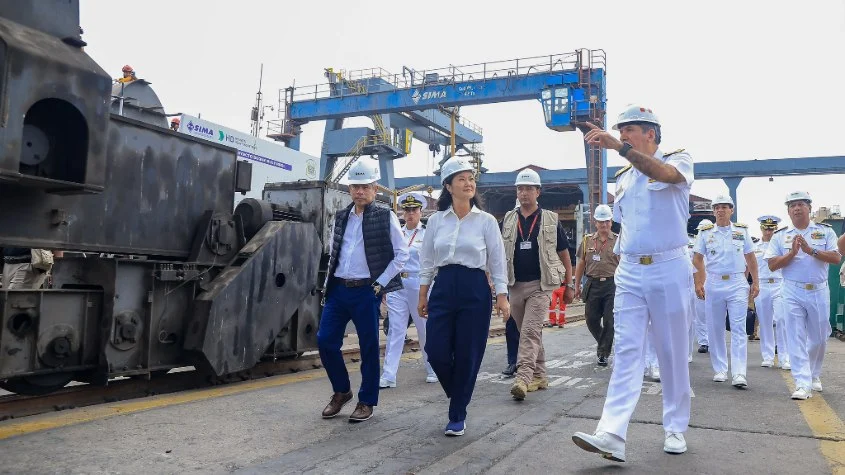
The project is currently being executed under the direct oversight of the Ministry of Transport and Communications. Under the directive of Minister Rafael Rey, the administration has intensified its monitoring of the project to ensure that quality controls remain strict while the pace of construction accelerates.

The MTC’s focus is dual-pronged: first, to ensure the structural longevity of the bridge against natural hazards like the El Niño phenomenon; and second, to deliver a high-quality surface-level bridge that serves as a seamless extension of the airport’s operational capacity.
"The objective is clear," noted a spokesperson for the Ministry. "We are not just building a bridge; we are constructing a vital link that connects the city to the world. Every cubic meter of concrete and every steel beam is part of a larger plan to modernize our transport network and provide a world-class experience for those entering and exiting the Jorge Chávez International Airport."
Implications: The Macro Impact on Lima
The implications of the Santa Rosa Bridge project extend far beyond the immediate construction site. Currently, the access to the Jorge Chávez airport is one of the most significant points of congestion in Lima. By creating a dedicated, high-capacity path, the project will:
- Reduce Transit Times: Commuters and travelers will see a drastic reduction in the time required to navigate the area surrounding the airport, effectively eliminating the "bottleneck" effect that currently plagues Avenida Morales Duárez.
- Economic Efficiency: By smoothing the flow of logistics and cargo, the bridge will indirectly lower the cost of operations for transport firms and increase the attractiveness of the airport as a regional hub.
- Urban Revitalization: The construction of new access roads and the improvement of the Morales Duárez corridor act as a catalyst for urban development in the surrounding districts, which have historically been underserved by major infrastructure.
- Resilience against Climate Change: By integrating sophisticated river defenses into the bridge design, the MTC is protecting not only the bridge but also the surrounding urban geography from the destructive forces of river surges, which have historically impacted infrastructure in the Lima region.
Conclusion
As the calendar approaches May 2027, the completion of the Santa Rosa Bridge will mark the conclusion of a significant chapter in Peruvian public works. The project serves as a model for how the MTC intends to handle large-scale urban infrastructure moving forward: through rigorous technical planning, proactive climate risk mitigation, and a commitment to strict, deadline-driven execution.
For the residents of Lima and the international community alike, the Santa Rosa Bridge stands as a symbol of progress. Once the final metallic platform is installed and the road is opened to the public, the gateway to Peru will be defined not by the delays of the past, but by the seamless, high-speed connectivity of the future. The intensity of the current worksites—from the deep-earth piling to the meticulous concrete pouring—ensures that when the first vehicle crosses the bridge in 2027, it will be traversing a structure built to serve the country for decades to come.