In a monumental achievement that cements its status as a premier global destination, Peru has secured six prestigious accolades at the 2026 World Travel Awards (WTA). Often referred to as the "Oscars of the Travel Industry," these awards recognize excellence across all sectors of the global travel and tourism landscape. By sweeping the South American edition of the ceremony, Peru has not only validated its diverse tourism strategy but has also set a new benchmark for excellence in the region.
The Main Facts: A Triumphant Sweep
The 2026 World Travel Awards ceremony served as a powerful testament to Peru’s enduring appeal. The country secured five major regional titles, covering the pillars of modern travel: gastronomy, culture, natural heritage, and sustainable practices. The awards won by Peru include:
- South America’s Leading Destination 2026
- South America’s Leading Culinary Destination 2026
- South America’s Leading Cultural Destination 2026
- South America’s Leading Nature Destination 2026
- South America’s Leading Sustainable Tourism Destination 2026
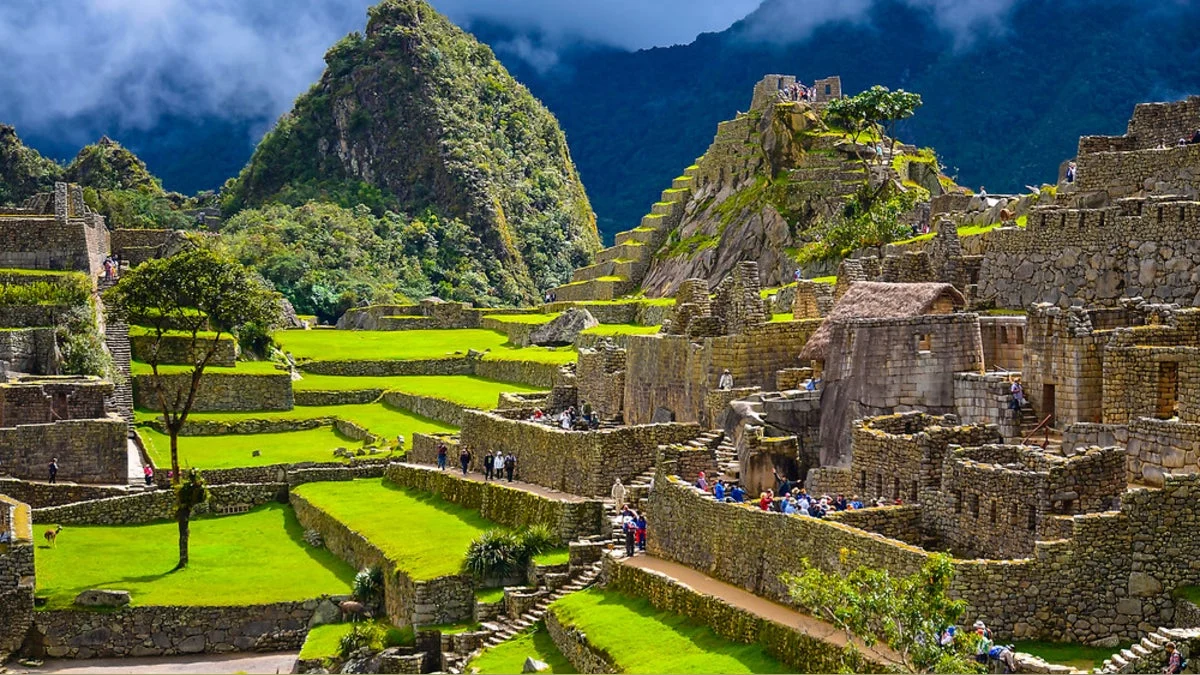
Beyond these broad categories, the crown jewel of Peruvian tourism, the Historic Sanctuary of Machupicchu, was officially named South America’s Leading Tourist Attraction. This specific honor highlights the enduring power of the Inca citadel as a site of unparalleled historical, architectural, and natural significance, remaining the primary driver for international visitors arriving on Peruvian soil.
A Chronology of Success: The Path to 2026
Peru’s journey to this pinnacle of international recognition did not happen overnight. It is the result of a decade-long strategic effort by the Ministry of Foreign Trade and Tourism (MINCETUR) and the Commission for the Promotion of Peru for Export and Tourism (PROMPERÚ).
- Early 2020s: Peru began aggressively pivoting its tourism marketing toward "experiential travel," focusing on niche markets like gastronomy and adventure tourism, moving away from purely sightseeing-based models.
- 2023-2024: Following the post-pandemic recovery, the Peruvian government intensified efforts to modernize infrastructure around heritage sites, emphasizing the "Safe and Sustainable" brand image.
- 2025: A record year for tourism recovery, where Peru began to see a significant uptick in high-spending travelers from Europe and Asia, setting the stage for the sweeping victories at the 2026 gala.
- Mid-2026: The official ceremony held in South America confirmed the culmination of these efforts, with Peru outpacing regional competitors in both visitor satisfaction scores and brand perception rankings.
Supporting Data: Why Peru Won
The selection process for the World Travel Awards is rigorous, involving thousands of votes from industry professionals and consumers worldwide. The 2026 results were driven by several key data points that highlight the country’s competitive edge:
1. The Culinary Dominance
Peru’s status as a culinary powerhouse is no longer just a trend; it is a pillar of its national identity. With Lima hosting multiple restaurants in the "World’s 50 Best" lists, the synergy between high-end gastronomy and traditional Andean cooking has created a unique narrative that appeals to culinary tourists globally.
2. Natural and Cultural Biodiversity
The award for "Leading Nature Destination" recognizes Peru’s efforts in preserving the Amazon rainforest and the Andean highlands. By linking cultural heritage (like the Quechua traditions) with biodiversity, Peru has successfully branded itself as a destination that offers more than just sites—it offers an immersive engagement with history and ecology.
3. Sustainability as a Competitive Strategy
The recognition as the "Leading Sustainable Tourism Destination" is perhaps the most significant. This award underscores the shift toward community-based tourism, where local indigenous groups are given the autonomy and resources to manage tourism revenue, ensuring that the economic benefits of travel reach the rural populations who preserve the heritage sites.
Official Responses: A Vision for the Future
Minister of Foreign Trade and Tourism, Rogers Valencia, expressed deep satisfaction with the results, framing them as a moral victory for the Peruvian people and the tourism industry at large.
"These six awards are not just trophies; they are a reflection of the hard work of millions of Peruvians," Minister Valencia stated. "From the restaurateur in Lima to the tour guide in the Sacred Valley, this recognition belongs to everyone who strives to make our country a competitive, sustainable, and inclusive destination."
The Minister further emphasized that the government’s focus for the remainder of the decade is to ensure that this recognition translates into "quality over quantity." The goal is to move toward a model of tourism that manages visitor flow responsibly while maximizing the economic impact on local communities, particularly in the regions surrounding Cusco and the Amazon basin.
Implications: The Economic and Strategic Horizon
While the prestige of these awards is undeniable, the real challenge for Peru lies in the "conversion phase." Transforming a trophy into a tangible increase in GDP requires a multifaceted approach involving the private sector and infrastructure development.
Strengthening International Positioning
PROMPERÚ is already leveraging the "2026 Winner" badge in international marketing campaigns across North America and East Asia. The strategy involves a targeted digital campaign that highlights the six winning categories, specifically aiming to capture the "luxury traveler" segment that seeks both cultural depth and sustainable luxury.
The Multiplier Effect
The economic implications for the private sector are vast. A rise in tourist numbers directly correlates to increased occupancy rates for the hospitality sector, higher demand for specialized tour operators, and a boost for small-scale artisans and local transport services.
However, economists warn that the "success trap" must be avoided. With Machupicchu being recognized as the continent’s leading attraction, the pressure on its infrastructure increases. The government is currently implementing a more rigorous digital reservation system to manage visitor density, ensuring that the site remains preserved for future generations while still accommodating the anticipated surge in interest following the 2026 win.
Challenges Ahead: Infrastructure and Connectivity
Despite the accolades, the path forward remains complex. To sustain this momentum, experts point to the need for:
- Improved Regional Connectivity: Reducing travel time between major tourist hubs.
- Enhanced Digital Infrastructure: Ensuring that remote destinations have the connectivity required by the modern, tech-savvy traveler.
- Human Capital Development: Investing in vocational training for the next generation of hospitality professionals to ensure that the "Peruvian experience" remains world-class.
Conclusion: A New Era for Peruvian Tourism
The 2026 World Travel Awards have provided Peru with an unparalleled platform. By winning in categories that define the future of travel—sustainability, culture, and nature—Peru has signaled that it is no longer just a destination to "check off a bucket list," but a country that provides a profound, multi-dimensional experience.
As the nation looks beyond 2026, the focus will remain on balancing the immense global demand with the protection of its most precious assets. If the country can successfully convert this international prestige into a sustainable, high-value tourism model, it will have secured its place as the undisputed leader of the South American travel sector for years to come. The "Oscars" have been won; now, the work to sustain the excellence begins.