The legislative agenda in Peru has reached a critical juncture. The draft Law for the Public Sector Budget for Fiscal Year 2027, an ambitious financial blueprint totaling more than S/ 266.5 billion, is now officially accessible via the Congressional portal. This document represents the culmination of months of technical coordination and sets the stage for the most significant economic debate of the year.
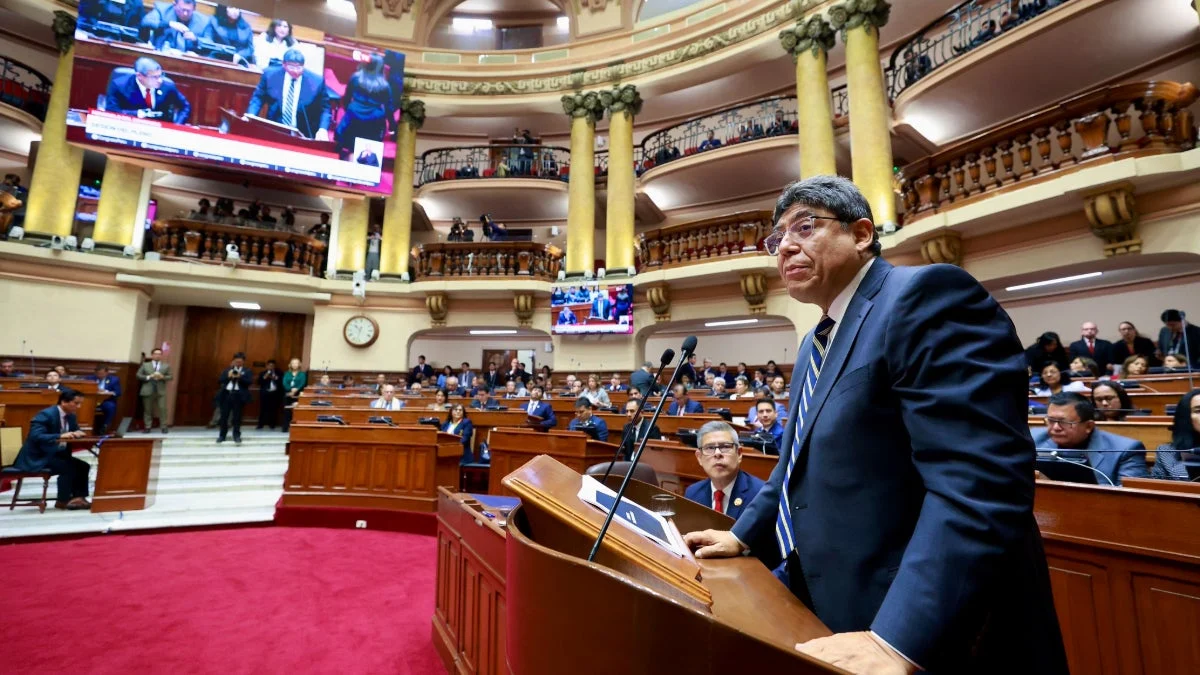
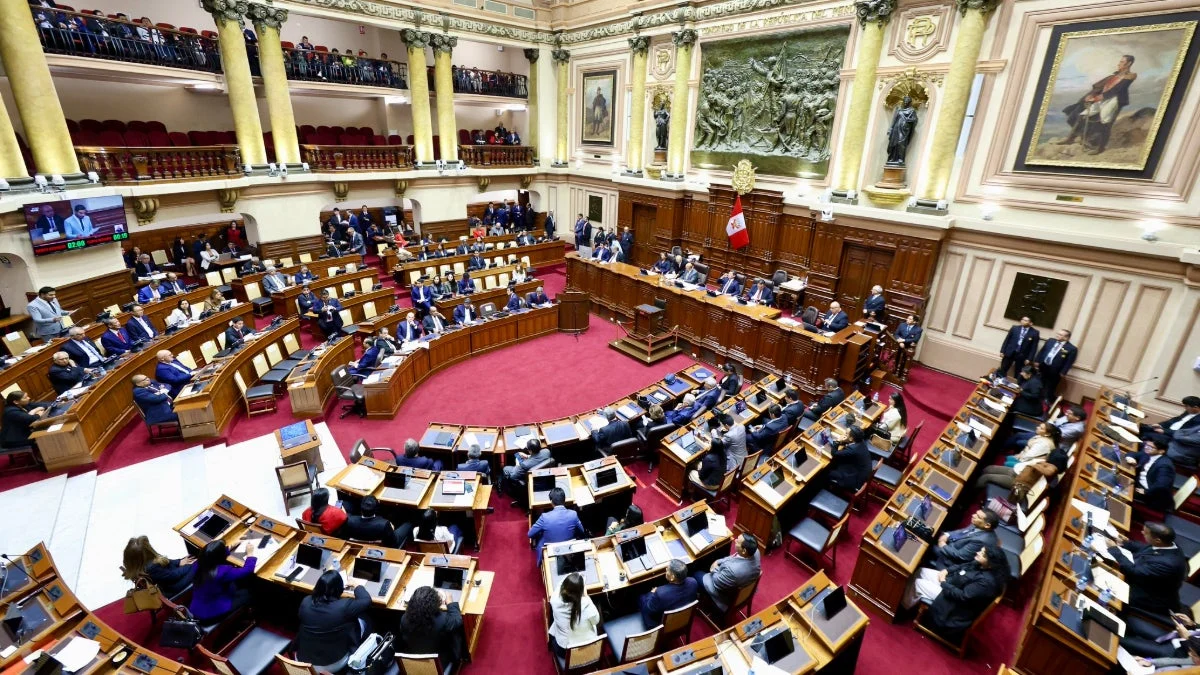
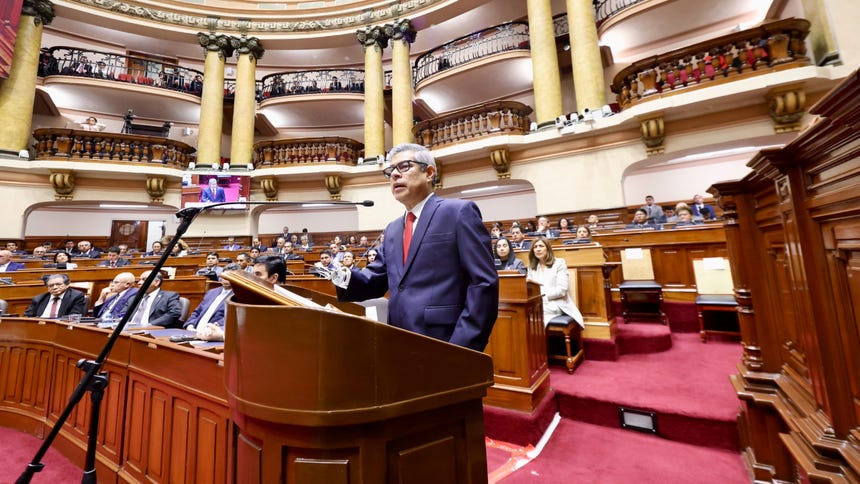
The Plenary session of the Congress of the Republic has been formally summoned for Thursday, September 3, at 10:00 a.m. During this high-stakes meeting, lawmakers will evaluate not only the primary budget bill but also the crucial companion projects regarding financial equilibrium and public debt management submitted by the Executive Branch.
Main Facts: A Budget Designed for Resilience
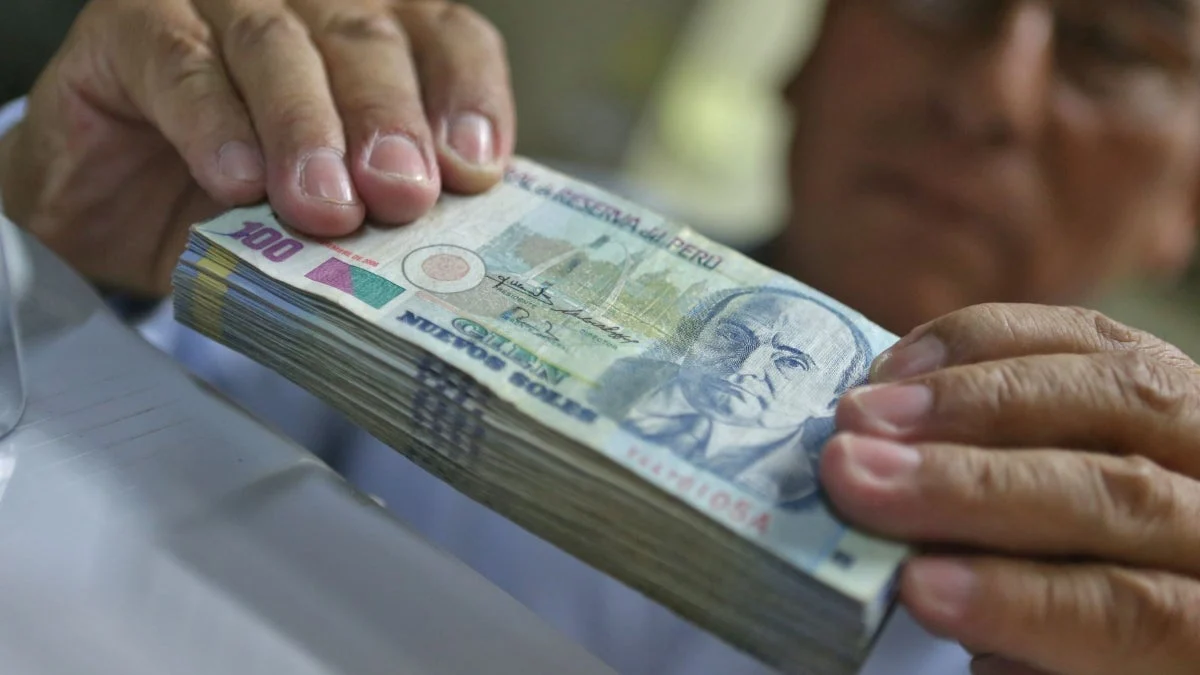
The proposed budget of S/ 266,506 million is structured to address both immediate national emergencies and long-term developmental objectives. As the government seeks to navigate a complex global economic landscape, this budget serves as the primary instrument for fiscal policy.
The legislative package consists of three interconnected pillars:
- The Budget of the Public Sector: Defining the allocation of resources across all government levels and ministries.
- The Law of Financial Equilibrium: Ensuring that the projected revenues of the state are sufficient to cover the expenditures proposed.
- The Law of Indebtedness: Authorizing the government to secure the necessary credit operations to fund infrastructure and public works while maintaining a sustainable debt-to-GDP ratio.
Chronology: From Ministerial Coordination to Congressional Floor
The road to the current plenary session has been characterized by intense technical scrutiny. The process follows a strictly regulated timeline established by the Organic Law of the Budget:
- Early August: The Ministry of Economy and Finance (MEF) initiated a series of intensive, closed-door coordination meetings with various ministerial portfolios. These meetings were designed to align sectoral demands—ranging from infrastructure needs to social program expansion—with the reality of the country’s fiscal space.
- Late August: Technical teams finalized the draft, ensuring that all allocations met the stringent sustainability criteria mandated by the Fiscal Responsibility and Transparency Law.
- August 28: The Executive formally deposited the project into the Congressional record, making the details transparent for public and legislative review.
- September 3: The Plenary session is scheduled to commence, marking the start of the formal legislative debate.
This process is not merely a bureaucratic exercise; it is a vital negotiation between the Executive and the Legislative branches, where the former must justify its spending priorities and the latter exercises its role of control and oversight.
Supporting Data: The Fiscal Context
The 2027 budget proposal is framed against a backdrop of macroeconomic discipline. The Ministry of Economy and Finance, led by Minister Elmer Cuba, has emphasized that the fiscal foundation of the country is significantly stronger than in previous years.
As of July 2026, the data provided by the MEF offers a clear picture of the government’s fiscal health:
- Deficit Control: The fiscal deficit has been narrowed to 1.3% of the Gross Domestic Product (GDP), a testament to the government’s commitment to curbing excessive spending.
- Debt Sustainability: Public debt stands at approximately 28% of the GDP. This ratio is widely regarded by international credit rating agencies as manageable, providing Peru with the flexibility to borrow when necessary to spur investment.
- Strategic Allocation: The S/ 266.5 billion figure represents a calibrated increase aimed at protecting the most vulnerable sectors of the population without triggering inflationary pressures.
Official Responses and Strategic Priorities
Minister of Economy and Finance Elmer Cuba has been vocal about the underlying philosophy of the 2027 budget. In various statements, Cuba has characterized the proposal as "a roadmap for stability and growth." He noted that the budget is built upon a realistic assessment of state resources versus the urgent demands of a growing population.
Key Pillars of Expenditure:
The Executive has identified five critical areas that will receive prioritized funding:
- Security and Internal Order: Given the public concern regarding crime, a significant portion of the budget is earmarked for the modernization of police equipment and the expansion of intelligence services.
- Emergency Response: With the recurring threat posed by the El Niño phenomenon, the government has allocated specific funds for disaster prevention, infrastructure reinforcement, and immediate response capabilities.
- Economic Reactivation: To stimulate employment and private investment, the budget includes incentives for public works projects that have the potential to create jobs rapidly.
- Human Capital Development: Education and Health remain the bedrock of the 2027 proposal, with increased funding for rural schools and the upgrading of regional hospital networks.
- Social Safety Nets: Programs designed to combat poverty and malnutrition remain a non-negotiable priority for the current administration.
Implications for the Nation
The upcoming debate in the Plenary holds profound implications for the Peruvian economy. A budget is more than just a list of numbers; it is a policy document that signals the government’s intentions to investors, citizens, and international observers.
Economic Implications
If approved in its current form, the budget provides a signal of continuity. Investors typically look for a "predictable fiscal path," and the government’s adherence to the 1.3% deficit target suggests that Peru will remain an attractive destination for foreign direct investment. However, the legislative debate often involves "budgetary additions" proposed by individual congresspeople, which, if not carefully managed, could threaten the delicate balance achieved by the MEF.
Political Implications
The relationship between the Executive and the Legislative is often characterized by friction. The budget debate provides an opportunity for the opposition to demand changes to the administration’s priorities. Whether the government can maintain the integrity of its proposal or whether it will be forced to make significant concessions will serve as a bellwether for the political stability of the country for the remainder of the fiscal year.
Social Implications
For the average citizen, the 2027 budget determines the quality of public services they will receive. The inclusion of funds for climate resilience (El Niño) is particularly significant, as it reflects a shift from reactive spending to proactive investment. Citizens will be watching to see if the government delivers on its promises to strengthen security, which is currently the top demand of the Peruvian electorate.
Conclusion: A Decisive Phase
As September 3 approaches, the focus turns to the Parliamentary chambers. The debate over the S/ 266,506 million budget will be a rigorous examination of the Executive’s vision for the country. The MEF has done its part in drafting a document that balances the need for social progress with the necessity of fiscal sanity.
Now, the responsibility rests with the Congress. The outcome of these deliberations will define the economic trajectory of Peru throughout 2027, influencing everything from the strength of the currency to the pace of infrastructure development. As the plenary session looms, the nation waits to see whether the legislature will prioritize long-term fiscal responsibility or succumb to the pressures of short-term political maneuvering. Regardless of the outcome, the 2027 Budget Law remains the most critical instrument of governance in the current administration’s toolkit, and its passage is the final hurdle before the state can begin executing its plans for the next fiscal year.