Introduction: The Pulse of the Sol
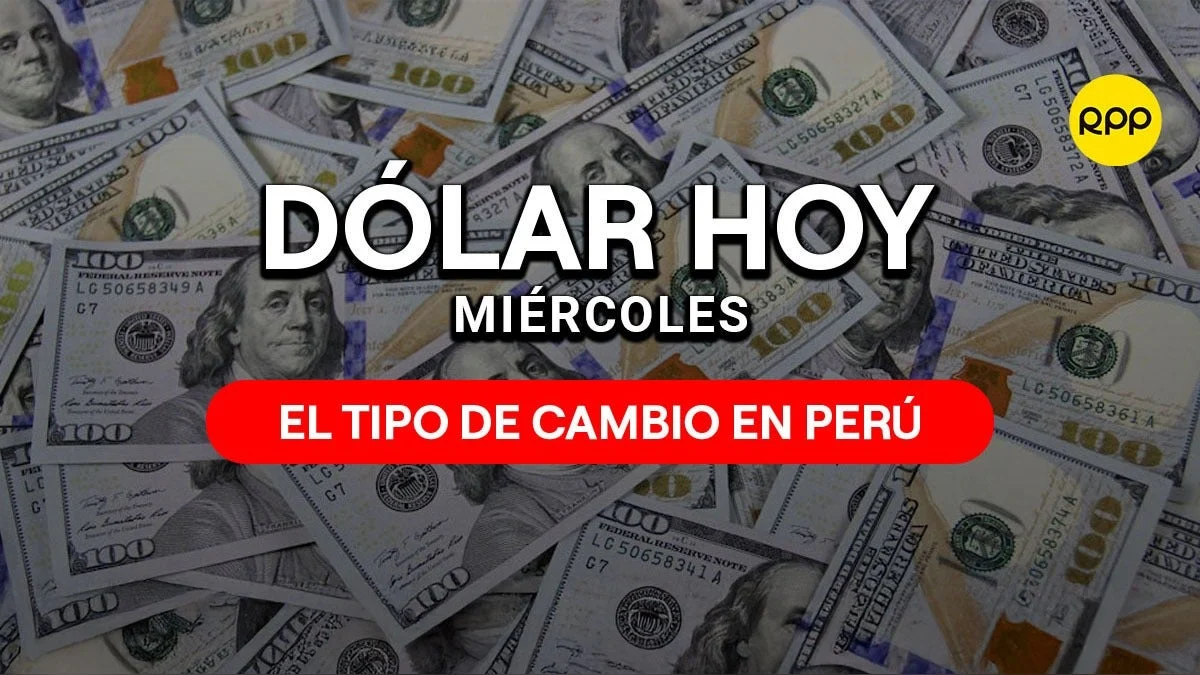
In the complex ecosystem of the Peruvian economy, few indicators command as much attention as the daily movement of the United States dollar. For Wednesday, August 12, the Central Reserve Bank of Peru (BCRP) has pegged the exchange rate at S/3.37. While this figure may appear as a simple data point on a financial ticker, it serves as the heartbeat of the nation’s economic health, dictating the purchasing power of households, the stability of corporate balance sheets, and the overall trajectory of inflation.
For the average citizen, the dollar is far more than a foreign currency; it is a barometer for the cost of living. As Peru navigates the intricacies of global trade, the volatility of the greenback serves as a constant reminder of the country’s integration into the global marketplace and the subsequent risks—and rewards—that accompany such exposure.
Main Facts: The Current Landscape
As of mid-August, the exchange rate of 3.37 soles per dollar represents a critical juncture for both local businesses and individual consumers. The BCRP, acting as the primary steward of monetary policy, maintains its commitment to price stability, often intervening in the foreign exchange market to prevent excessive volatility.
The exchange rate is determined by the intersection of supply and demand in the local interbank market. When the demand for dollars surges—often driven by corporate hedging, foreign investment outflows, or geopolitical uncertainty—the sol faces depreciation. Conversely, when exports rise or foreign capital flows into Peruvian assets, the sol strengthens. The current rate of S/3.37 is a reflection of the equilibrium reached between these competing forces under the watchful eye of the BCRP.
Chronology: The Evolution of Exchange Rate Volatility
To understand today’s figure, one must look at the historical context of Peru’s exchange rate regime. Since the early 1990s, Peru has operated under a "managed float" system. This departure from the fixed exchange rate regimes of the past allowed the economy to weather the storms of the late 20th century.
- Early 2000s: The Peruvian economy entered a period of relative stability, with the sol gaining ground against the dollar due to the commodities boom.
- The 2008 Global Financial Crisis: Like most emerging markets, Peru experienced a sharp spike in dollar demand, testing the BCRP’s reserves and regulatory frameworks.
- The 2010s: Peru maintained one of the lowest inflation rates in the region, largely due to successful dollarization management and proactive monetary policy.
- Present Day (August 2020 Context): The current volatility is exacerbated by the global pandemic’s impact on supply chains and investor sentiment. The fluctuations seen today are a continuation of the uncertainty that defines modern macroeconomic management.
Supporting Data: Why the Dollar Matters
The influence of the dollar in Peru is profound, characterized by a phenomenon known as "partial dollarization." Despite the strength of the sol, a significant portion of the economy remains indexed to the dollar.
The Import-Inflation Link
Peru is a net importer of several essential goods. When the sol weakens, the cost of importing these items rises:
- Fuel and Energy: As oil is traded globally in dollars, a depreciation of the sol translates directly to higher prices at the pump.
- Medicines: A significant percentage of pharmaceutical products in Peru are imported. Consequently, currency fluctuations directly impact healthcare costs.
- Technology: Electronics, computers, and telecommunications equipment are largely imported, making them sensitive to exchange rate shifts.
The Debt Trap
A crucial component of the domestic economy is the prevalence of dollar-denominated debt. Many Peruvians hold mortgages or vehicle loans in dollars while earning their income in soles. This "currency mismatch" creates a structural risk: when the dollar rises, the effective debt burden for these individuals increases, potentially leading to lower disposable income and higher rates of delinquency.
Official Responses and Monetary Policy
The Central Reserve Bank of Peru (BCRP) plays a pivotal role in mitigating the fallout from exchange rate swings. Under the leadership of its board, the BCRP employs several tools to maintain order:
- Sterilized Intervention: By purchasing or selling dollars, the BCRP prevents extreme "jumps" in the exchange rate, ensuring that the market remains liquid and that fluctuations do not trigger panic-driven speculation.
- Interest Rate Adjustments: By modifying the reference interest rate, the BCRP influences the yield on sol-denominated assets. A higher interest rate generally attracts capital inflows, which can stabilize the currency.
- Communication Strategy: Transparency is key. By issuing clear reports on the outlook for the economy, the BCRP manages market expectations, which is often as effective as direct intervention.
The Ministry of Economy and Finance (MEF) also complements these efforts by ensuring fiscal discipline. By maintaining a low debt-to-GDP ratio, the government provides the BCRP with the necessary "policy space" to combat external shocks without resorting to unorthodox measures.
Implications: Navigating the Daily Financial Life
For the average Peruvian, the fluctuating dollar requires a proactive approach to personal finance. Understanding the impact of the exchange rate is not merely an academic exercise; it is a necessity for financial survival.
Strategies for the Individual:
- Debt Management: Financial advisors consistently warn against taking on debt in a currency other than that of one’s income. For those already in dollar-denominated loans, refinancing into soles during periods of stability is often recommended.
- Savings Diversification: While saving in dollars can act as a hedge against local inflation, it is vital to balance a portfolio. Holding a mix of soles and dollars allows families to mitigate risk.
- Informed Consumption: During periods of high dollar volatility, postponing the purchase of imported non-essentials can preserve purchasing power.
The Corporate Perspective:
Businesses, particularly those involved in international trade, utilize financial instruments such as "forwards" and "swaps" to lock in exchange rates. This practice, known as hedging, protects companies from sudden movements, ensuring that profit margins remain predictable despite market turbulence.
Conclusion: A Resilient Economy in a Globalized World
The exchange rate of S/3.37 is a reflection of Peru’s ongoing journey in a globalized financial system. While the dollar’s influence is undeniable, the resilience of the Peruvian economy lies in its ability to adapt. Through the cautious management of the BCRP, the discipline of its fiscal policy, and the growing financial literacy of its citizens, Peru continues to navigate the complexities of the foreign exchange market.
As we look toward the future, the key to stability will remain the same: a commitment to sound economic principles, the reduction of structural dollarization, and the continued integration of the Peruvian sol as a strong, reliable currency. By staying informed and planning strategically, both families and businesses can turn the challenges of exchange rate volatility into opportunities for sustained economic growth.
Disclaimer: This report is for informational purposes. Exchange rates are subject to continuous change based on market conditions. For the most recent updates, always consult the official website of the Banco Central de Reserva del Perú (BCRP).