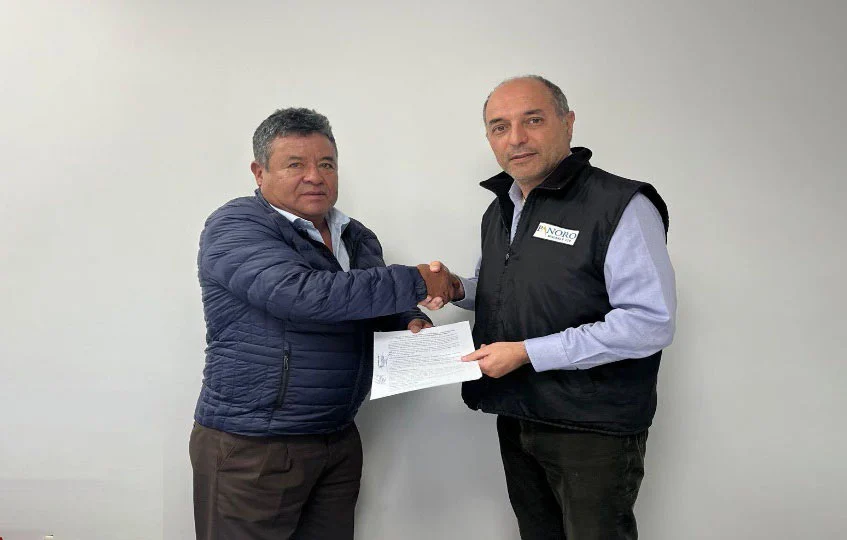
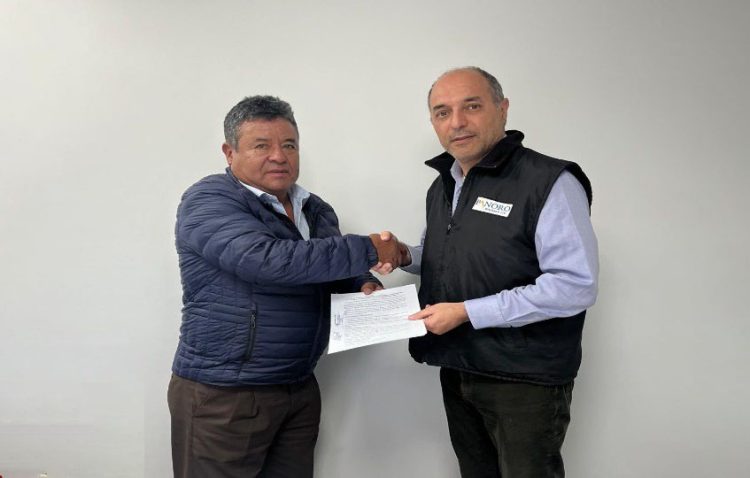
In a significant move to solidify its long-term social license and infrastructure commitment, Panoro Minerals Ltd. has officially inked a new cooperation agreement with the Municipality of Cotabambas. This partnership marks a pivotal step in the ongoing development of the flagship Cotabambas Project, promising tangible improvements to local infrastructure and regional connectivity.
Executive Summary: A Framework for Collaborative Growth
Panoro Minerals Ltd. (TSXV: PML, Lima: PML) recently announced the formalization of a strategic cooperation agreement with the Municipality of Cotabambas. This agreement serves as a cornerstone for the company’s ongoing engagement strategy, aligning the operational progress of the Cotabambas copper-gold-silver project with the developmental aspirations of the local community.
The core objective of this agreement is to bridge the gap between large-scale industrial development and community prosperity. By focusing on critical infrastructure—specifically road networks and accessibility within the eight urban districts—the partnership seeks to foster a sustainable socio-economic environment. This initiative is not an isolated event but rather a continuation of a multi-year collaborative tradition, emphasizing the company’s dedication to transparency, shared value, and community-led development.
Chronology of Engagement: A Legacy of Partnership
To understand the weight of this new agreement, one must look at the history of Panoro Minerals’ operations in the Apurímac region. The relationship between the company and the local municipal authorities has been characterized by iterative cooperation.
- The Foundational Years: Since the inception of the Cotabambas project, Panoro Minerals recognized early on that technical viability must be balanced with social feasibility. Early cooperation agreements were established with previous municipal administrations to provide basic community support, ranging from educational programs to small-scale agricultural assistance.
- The Evolution of Trust: Over the past decade, these agreements have evolved from simple philanthropic efforts to structured, infrastructure-heavy partnerships. This shift reflects a deeper integration of the company into the local social fabric.
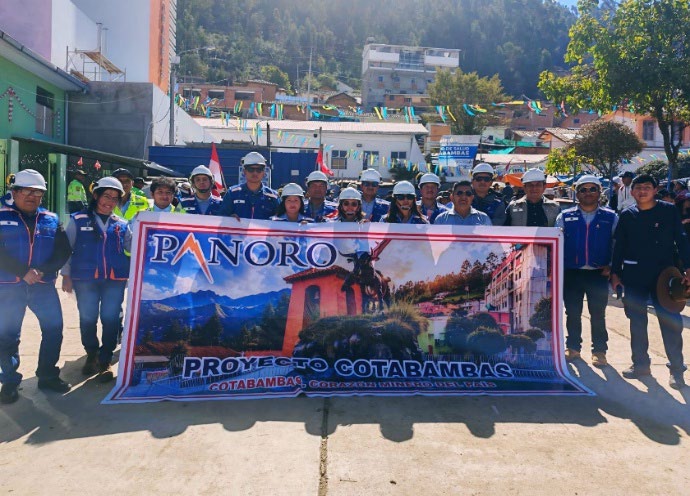
- The July 2026 Milestone: The most recent manifestation of this bond was observed on July 29, 2026, when Panoro Minerals was once again invited to participate in the Peruvian Independence Day parade in the District of Cotabambas. This symbolic gesture serves as a public demonstration of the company’s alignment with local identity and national pride.
- The Current Agreement: The 2026 agreement is the result of months of negotiation with local leadership, incorporating the specific vision of the eight barrio (neighborhood) presidents. By centering their needs, the company has ensured that the agreement is responsive rather than prescriptive.
The Infrastructure Focus: Bridging the Connectivity Gap
The most critical component of the newly signed agreement is the commitment to improve local roads and access routes. In the rugged topography of the Andes, infrastructure is the lifeblood of economic development.
Improving Regional Mobility
The project will target the primary access routes used by the residents of the eight districts. Currently, many of these paths are seasonal or poorly maintained, hindering the movement of agricultural goods and limiting access to healthcare and educational facilities. By investing in the upgrade of these roads, Panoro is effectively lowering the cost of living for residents and creating new opportunities for local trade.
The Role of Local Governance
Crucially, the initiatives are being led by the Municipality of Cotabambas. This is a deliberate choice. By empowering the local government to manage the implementation, Panoro ensures that the projects are not just "mining company projects," but municipal assets that enjoy local ownership. The input from the eight barrio presidents has been instrumental in prioritizing which roads receive immediate attention, ensuring that the most marginalized areas receive the resources they need.
Official Statements: The Vision of Leadership
The strategic intent behind this partnership was underscored by Luquman Shaheen, President and CEO of Panoro Minerals, who highlighted the necessity of trust-based relationships in the modern mining landscape.
"We are very excited to strengthen our presence and our commitment to the District of Cotabambas," stated Shaheen. "This Agreement reaffirms our commitment to working hand-in-hand with the Municipality and the communities of Cotabambas, contributing to a relationship of trust and collaboration and uniting our efforts toward shared, long-term goals."
For the local municipal authorities, the agreement represents a vital infusion of resources and technical expertise that would otherwise be beyond the reach of the local budget. The ability to leverage the company’s logistical capabilities to improve the district’s connectivity is seen as a major victory for the current municipal administration.
Supporting Data: Why the Cotabambas Project Matters
The Cotabambas project is not just a local venture; it is a major asset in the global copper market. Understanding the project’s scope helps explain why this partnership is so vital.
- Geological Potential: The Cotabambas Project is located in the prolific Andahuaylas-Yauri porphyry belt. This region is known for its high-grade copper, gold, and silver deposits.
- Economic Impact: As the project moves through its various feasibility stages, the ripple effects on the regional economy are significant. Beyond direct employment, the secondary economy created by suppliers, transportation services, and food security programs provides a substantial boost to the district’s GDP.
- Sustainable Development Indicators: Panoro’s approach integrates ESG (Environmental, Social, and Governance) criteria at the design phase. The current agreement is a primary indicator of the "Social" pillar of this strategy. By mitigating the risks of community opposition through active participation, the company ensures the stability of its investment.
Implications: A Model for Sustainable Mining in Peru
The partnership between Panoro Minerals and the Municipality of Cotabambas serves as a microcosm for the broader challenges and opportunities facing the Peruvian mining industry.
1. The Social License to Operate
In recent years, mining companies in Peru have faced increasing scrutiny. Those that succeed are the ones that move beyond transactional relationships with communities toward true integration. By allowing local barrio presidents to define the scope of the road infrastructure projects, Panoro is setting a benchmark for participatory governance.
2. Economic Diversification
Infrastructure improvements are, by nature, multi-purpose. While they facilitate mining operations, they also serve the local agricultural sector, allowing farmers to transport their produce to markets more efficiently. This creates a "dual-benefit" scenario that justifies the investment in the eyes of the public.
3. Long-Term Stability
The fact that this agreement mirrors those signed by previous administrations is telling. It suggests that, regardless of the political cycle at the municipal level, the value proposition of the Cotabambas project remains consistent. This continuity is essential for attracting the large-scale capital required for major mining projects, as investors look for jurisdictions and projects with low social risk.
Challenges and Future Outlook
While the agreement is a positive development, the path forward is not without challenges. The logistics of maintaining road infrastructure in a high-altitude environment are complex. Furthermore, as the project progresses toward construction and eventual production, the demands on the community and the company will increase.
However, the current framework provides a robust mechanism for conflict resolution and collaborative planning. The inclusion of the eight barrio presidents ensures that if local grievances arise, they have a formal, structured channel through which to communicate with the company.
Looking ahead, the success of this agreement will be measured by the speed and quality of the road improvements. If the residents see tangible, high-quality infrastructure emerging from this partnership, it will undoubtedly solidify the support for the Cotabambas project for years to come.
Conclusion
The agreement between Panoro Minerals and the Municipality of Cotabambas is a testament to the evolving nature of mining in the 21st century. It recognizes that for a project to be successful, it must be viewed as a partner in regional development rather than a standalone industrial operation. By focusing on the shared goal of better connectivity, Panoro and the Municipality are not only building roads—they are building a foundation of trust that is essential for the sustainable future of the entire district.
As the project continues to advance, the world will be watching to see how this model of community-inclusive development performs, potentially serving as a blueprint for other resource-rich regions across Latin America. The commitment shown by both the company and the local government is a clear signal: the future of Cotabambas is one of shared prosperity and collaborative growth.