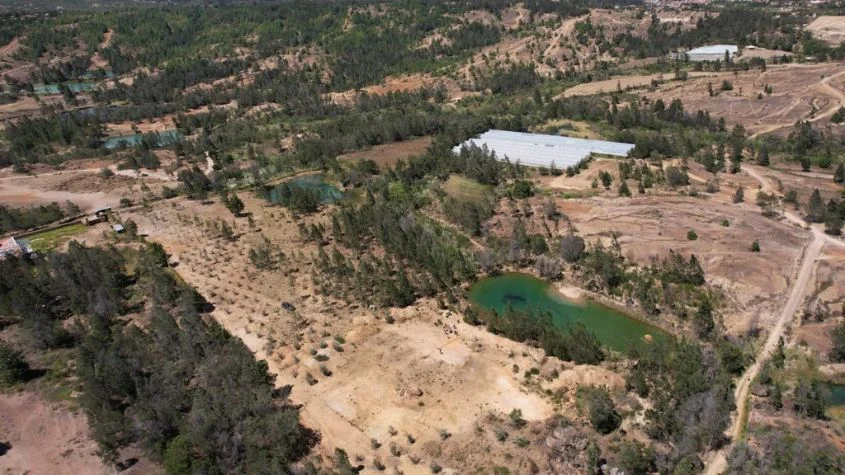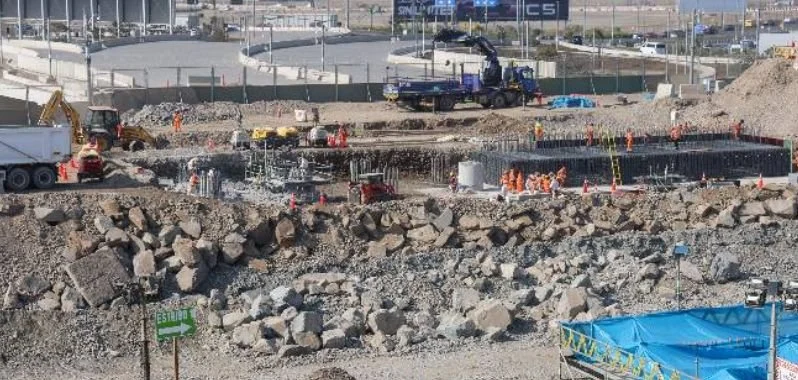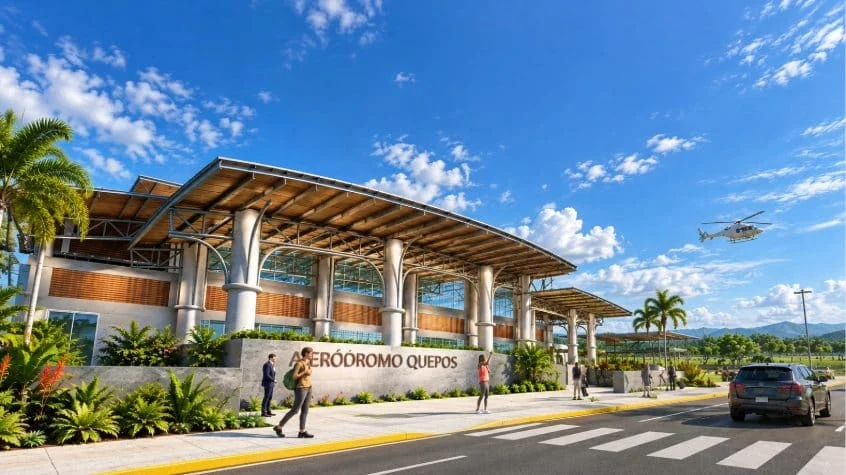
In a significant move to bolster national aviation infrastructure and stimulate regional economic growth, the Costa Rican Ministry of Public Works and Transport (MOPT), working in tandem with the General Directorate of Civil Aviation (DGAC), has officially commenced the modernization project for the Quepos Aerodrome. This ambitious capital improvement program, totaling an investment of approximately US$13.4 million, represents a pivotal step in upgrading the country’s secondary airport network to meet modern safety and capacity standards.
The project is structured into two distinct phases, designed to transform the aerodrome from a limited-capacity facility into a modernized hub capable of supporting the burgeoning tourism and commercial sectors of the Central Pacific region.
Phase I: Strengthening Operational Infrastructure
The inaugural phase of the project, which is currently underway, is focused on the core operational areas of the aerodrome. With a budget allocation of US$4.62 million, the construction effort centers on the development of a state-of-the-art parking platform covering 9,450 square meters.
This new apron is designed to accommodate nine designated parking positions for Type A and Type B aircraft, as well as a specialized position dedicated to helicopter operations. Beyond the surface area itself, the scope of the first phase includes comprehensive upgrades to ground-level infrastructure, such as improved roadway access and the installation of a modern drainage system. These drainage upgrades are critical, as they ensure the structural integrity of the runway and platform areas by effectively managing pluvial water, thereby enhancing year-round operational safety—a necessity given the region’s climate.
Phase II: Future Terminal Expansion
While the first phase secures the "airside" operations, the second phase addresses the "landside" passenger experience. With an estimated investment of US$8.78 million, the government plans to construct a brand-new passenger terminal building. This facility is intended to replace outdated structures, providing a streamlined and professional environment for both domestic and international travelers.

The new terminal will include modern check-in counters, improved baggage handling areas, and waiting lounges that comply with current international aviation security and passenger comfort standards. By integrating these two phases, the DGAC aims to create a cohesive infrastructure ecosystem that can handle increased traffic volume without sacrificing efficiency.
Chronology of the Development
The modernization of the Quepos Aerodrome is not a spontaneous decision but rather the culmination of strategic planning that has evolved over several years.
- Preliminary Assessment: The DGAC conducted feasibility studies to determine the load capacity and traffic projections for the Central Pacific zone, identifying the Quepos facility as a bottleneck for regional tourism growth.
- Budget Approval: Through coordinated efforts between the MOPT and relevant fiscal bodies, the US$13.4 million budget was finalized, balancing the technical needs of the facility with available state funding.
- Contractual Bidding: Following legal and technical reviews, the project moved into the procurement phase, where qualified contractors were selected to handle the specialized civil engineering required for aerodrome surfaces.
- Commencement of Phase I: In late 2026, heavy machinery was mobilized to begin the site preparation for the 9,450-square-meter platform.
- Future Milestones: The project schedule dictates the completion of the platform by the end of the current cycle, with the second phase of terminal construction projected to commence immediately following the successful certification of the new apron.
Supporting Data and Technical Specifications
The technical specifications of the Quepos project are designed to meet rigorous safety standards set by international aviation authorities. The 9,450-square-meter platform is constructed using specialized high-load-bearing pavement capable of supporting the repetitive stress of small-to-medium-sized commercial aircraft.
The inclusion of a dedicated helicopter landing pad is particularly significant. As Quepos serves as a primary gateway for high-end tourism in the nearby Manuel Antonio area, the ability to manage private helicopter traffic separately from fixed-wing traffic will significantly reduce ground-level congestion.
Furthermore, the integration of advanced drainage systems is a direct response to the hydrological challenges of the Pacific coast. By preventing pooling and surface erosion, the project reduces the risk of hydroplaning and structural degradation of the tarmac, effectively extending the lifespan of the capital investment.

Official Perspectives: Aligning Policy with Growth
The Minister of Public Works and Transport, Efraím Zeledón Leiva, has been a vocal proponent of the project, framing it as a cornerstone of the national infrastructure plan. During the project launch, Minister Zeledón Leiva emphasized that the scope of this project goes far beyond simple concrete work.
"We are giving a significant boost to the modernization of the Quepos Aerodrome," the Minister stated. "This is not merely about building a new platform; it is about developing the essential infrastructure that will allow us to improve operational safety, strengthen aerial connectivity, and support the tourism and economic growth of the Central Pacific. With an integrated investment of over 6 billion colones, we are driving a massive transformation of this facility."
The government’s rhetoric highlights a shift in focus toward regional hubs. By decentralizing air travel and ensuring that secondary airports are adequately equipped, Costa Rica aims to distribute the benefits of tourism more equitably across its provinces, reducing the pressure on the primary international hubs while enhancing the value proposition for regional travelers.
Implications for the Central Pacific Region
The broader implications of this investment are profound for the local economy. Quepos is arguably one of the most important tourism nodes in Costa Rica, serving as the gateway to the Manuel Antonio National Park and various high-end hospitality venues.
Economic Multiplier Effect
The direct investment of $13.4 million acts as an economic stimulus, providing jobs during the construction phase and long-term operational roles once the facility is fully modernized. However, the indirect benefits are even more significant. An upgraded aerodrome increases the feasibility of increased flight frequency, attracting boutique airlines and charter operators that serve high-spending tourists. This, in turn, boosts local demand for hotels, tour operators, and restaurants.

Operational Safety and Reliability
For aviation stakeholders, the project addresses long-standing concerns regarding surface conditions and capacity. By formalizing parking areas, the aerodrome reduces the risk of ground incidents and allows for more complex scheduling. This reliability is crucial for the air ambulance services and emergency response teams that often utilize the Quepos facility, making the project a vital component of regional public safety.
Future-Proofing Tourism
The travel industry is increasingly sensitive to the quality of transit infrastructure. Travelers expecting high standards of service are often deterred by outdated terminal facilities. By investing in a modern passenger terminal, the DGAC is ensuring that Quepos remains a competitive destination in the global tourism market.
Conclusion: A New Era for Regional Aviation
The modernization of the Quepos Aerodrome is a testament to the Costa Rican government’s commitment to strategic infrastructure investment. By tackling the project in two distinct phases, the MOPT is ensuring that operational improvements (the platform) are prioritized before moving to the passenger-facing elements (the terminal).
As the construction progresses, the project will serve as a model for how regional airports can be transformed to support national development goals. The US$13.4 million investment is not just a line item in a budget; it is an investment in the future of the Central Pacific, ensuring that the region remains accessible, safe, and attractive to both visitors and investors for decades to come. As the work continues through the coming months, all eyes will be on Quepos as it prepares to redefine its role in the country’s aviation landscape.