Executive Summary: A Half-Century Wait Comes to an End
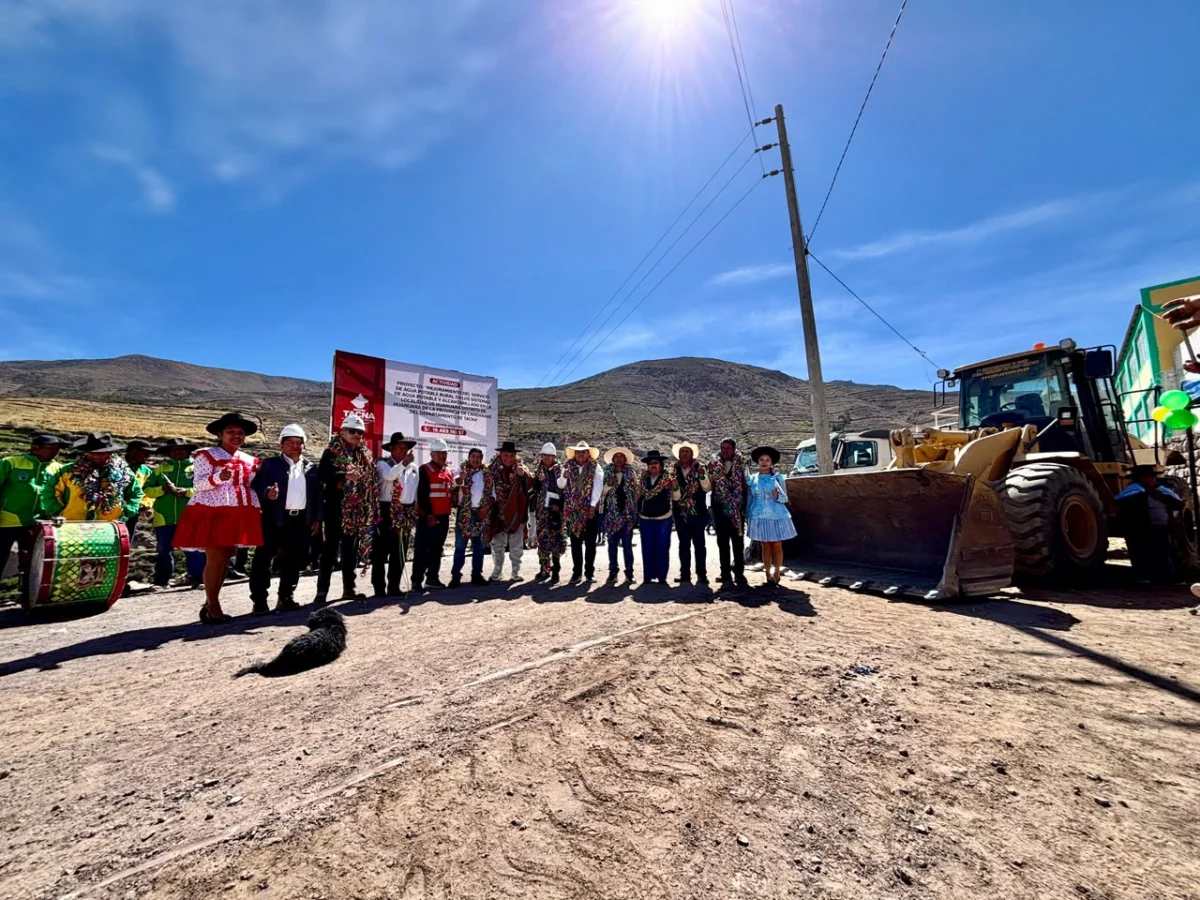
At an elevation of 3,180 meters above sea level, amidst the crisp Andean air and the vibrant sounds of the tarkada—a traditional festive dance—the regional government of Tacna officially inaugurated a monumental infrastructure project. The "Improvement of Rural Potable Water and Sewerage Services in the Locality of Huanuara, Candarave Province" marks a historic milestone for the community. After more than fifty years of navigating inadequate, outdated infrastructure, the residents of Huanuara are finally set to receive a modern sanitation system that meets 21st-century standards.
The project, which carries an investment of S/ 19,489,110.97, is not merely a construction endeavor; it is a fundamental shift in public health and quality of life for a region that has long been sidelined in regional development priorities.
Chronology and Context: The Path to Modernization
The journey to this groundbreaking ceremony was neither short nor simple. For decades, the families of Huanuara relied on archaic piping systems that were ill-equipped to handle the needs of a growing population. These systems, long past their intended service life, were a constant source of public health concern and inefficiency.
The Milestone Timeline
- The Decades of Stagnation: For over 50 years, Huanuara’s water and sewage infrastructure remained largely untouched, leading to chronic service interruptions and water quality issues.
- Engagement and Planning: Under the current administration of Governor Luis Torres Robledo, the project was prioritized as a core pillar of the regional development strategy, utilizing the efficient "Works for Taxes" (Obras por Impuestos) mechanism.
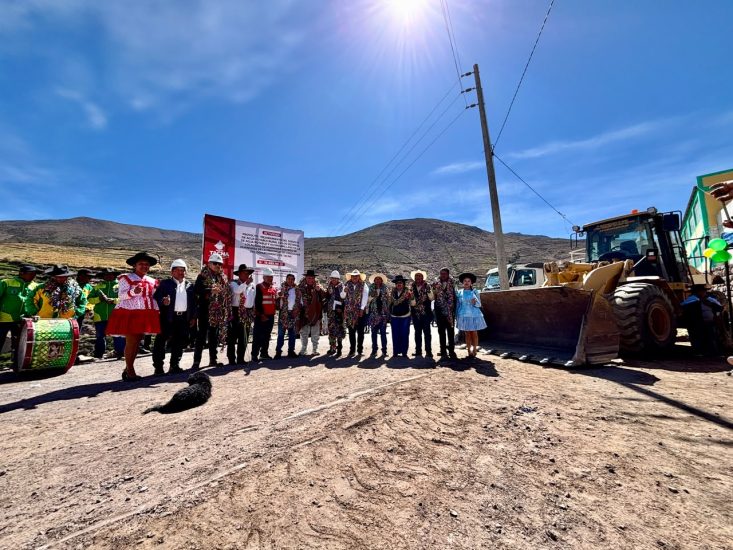
- The Launch Day: On the day of the ceremony, the regional government, local authorities, and the community gathered to witness the signing of the land delivery act. The event was punctuated by the local youth zampoña ensemble, symbolizing the cultural unity supporting this technical advancement.
- Projected Completion: The construction is scheduled to span 450 calendar days, with a firm commitment from the executing entities to maintain a strict timeline to ensure that the residents see immediate relief from water insecurity.
Technical Specifications: Engineering for Sustainability
The sheer scale of the engineering required for this high-altitude project is significant. The work is being carried out by the Consorcio Ejecutor del Sur and the Consorcio Financista Agua Potable, ensuring a blend of technical expertise and financial stability.
The Potable Water System
The project focuses on replacing obsolete, damaged piping with high-durability infrastructure. Key components include:

- Conduction Lines: Installation of 156.10 meters of modern conduction lines.
- Storage Capacity: Construction of a state-of-the-art reservoir with a capacity of 60 cubic meters, ensuring a steady supply during peak usage hours.
- Direct Access: Installation of 296 new, high-efficiency domestic water connections.
The Sewerage and Sanitation System
Perhaps the most significant advancement is the comprehensive overhaul of the district’s sewage network, which is vital for preventing soil and water table contamination in the sensitive Andean ecosystem:
- Collection Network: 3,866.64 meters of new collection piping.
- House Connections: 273 new domestic sewer connections.
- Treatment Infrastructure: The construction of a dedicated Wastewater Treatment Plant (PTAR) is the centerpiece of the sanitation upgrade.
- Final Disposal: The system includes 1,951.22 meters of discharge piping and 65 new inspection manholes (buzonetas) to facilitate maintenance and prevent system blockages.
Official Responses and Strategic Vision
During the ceremony, Governor Luis Torres Robledo articulated a broader vision for the province of Candarave, emphasizing that water is not just a utility, but a human right and a catalyst for economic growth.
The Call for Reform
Governor Torres Robledo utilized the platform to advocate for a structural shift in the distribution of the mining canon. He argued that provinces like Candarave and Tarata, which are integral to the regional economy, must receive a more equitable share of mining revenues. "It is fundamental to reform the mining canon so that these provinces are included in the benefits and can achieve sustainable development," he stated.
The "Works for Taxes" Strategy
The Governor highlighted the success of the Obras por Impuestos model, which has allowed the region to bypass bureaucratic bottlenecks. Currently, over S/ 110 million is being invested in various districts within the Candarave province.
- Current Projects: The "Siete Canales" project in Santa Cruz is already underway.
- Upcoming Works: Future projects are slated for Cairani, Quilahuani, and Curibaya.
- Infrastructure Connectivity: The Governor reaffirmed his commitment to the "Picacagua Bridge" project, a critical piece of infrastructure that connects the Puno region with various districts of Candarave and the city of Tacna, further integrating the rural economy into the regional hub.
Social and Environmental Implications
Infrastructure is often judged by the concrete poured, but the success of this project lies in its social component. The regional government recognizes that hardware is insufficient without education.
Holistic Development
To ensure the longevity of the infrastructure, the project includes:
- Sanitation Education: Workshops focused on hygiene and disease prevention.
- Institutional Strengthening: Training for the Administrative Boards of Sanitation Services (JASS) in Huanuara to ensure they can manage, operate, and maintain the new systems effectively after the contractors depart.
- Awareness Campaigns: Programs promoting the "responsible use of water," a critical issue in high-altitude environments where water scarcity is an increasing climate-related risk.
- Cultural Heritage: A dedicated Plan for Archaeological Monitoring is being implemented, ensuring that the construction process respects the historical and cultural sensitivity of the Huanuara region.
Economic Impact
The Governor’s directive to the executing consortium was clear: prioritize local labor. By hiring residents from Huanuara and the surrounding areas, the project is injecting capital directly into the local economy while fostering a sense of ownership among the population. The adherence to construction labor laws ensures that this project contributes to the formalization of local employment.
Conclusion: A New Era for Candarave
As the machinery roared to life at 3,180 meters, it signaled more than just the start of a construction project—it marked the end of an era of neglect for the people of Huanuara. With a massive investment of over S/ 19 million, the regional government of Tacna is demonstrating that rural communities, regardless of their distance from urban centers, deserve the same quality of life and basic services as any major city.
As the province of Candarave approaches its anniversary on August 18th, the commencement of this work serves as a testament to the power of public-private cooperation. By integrating sanitation, technical training, and infrastructure connectivity, the region is laying the groundwork for a more prosperous, healthy, and resilient future. The eyes of the region are now on the 450-day timeline, a countdown to a cleaner and more secure future for the families of Huanuara.