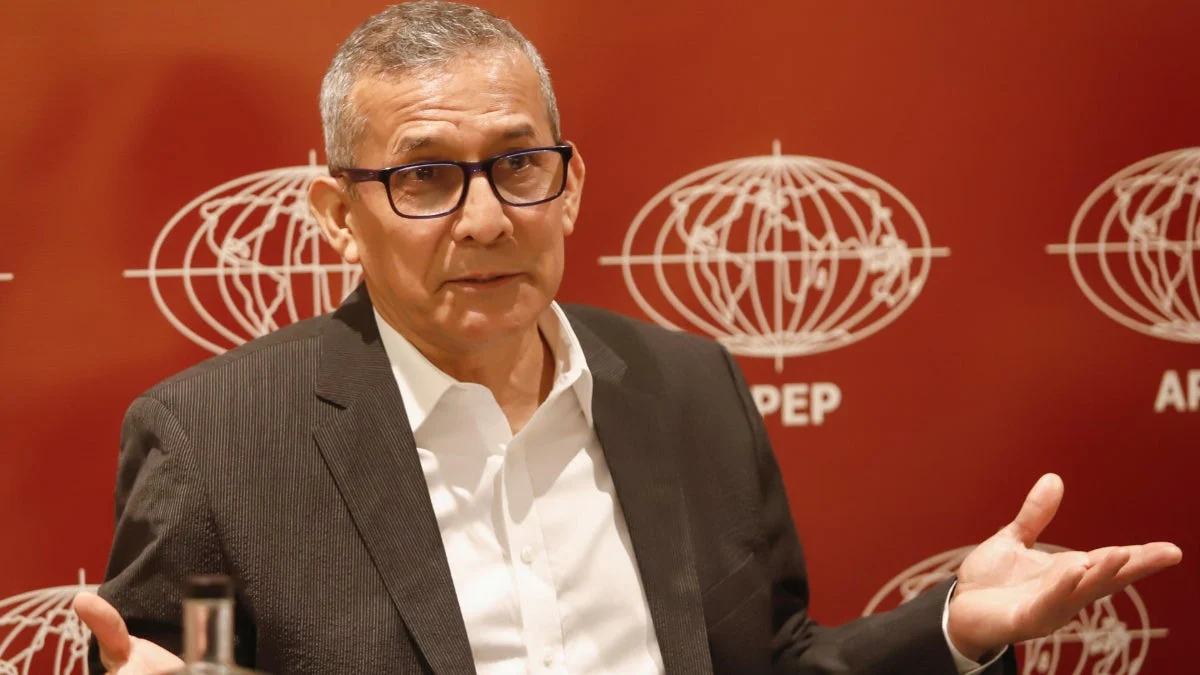
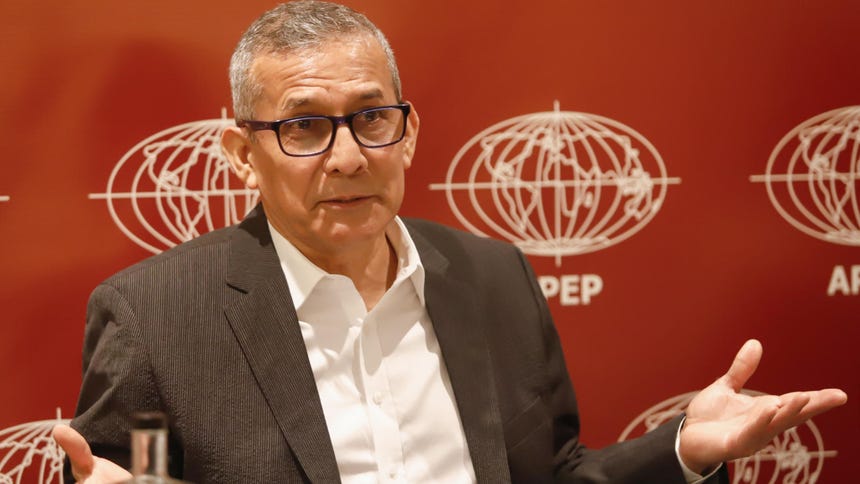
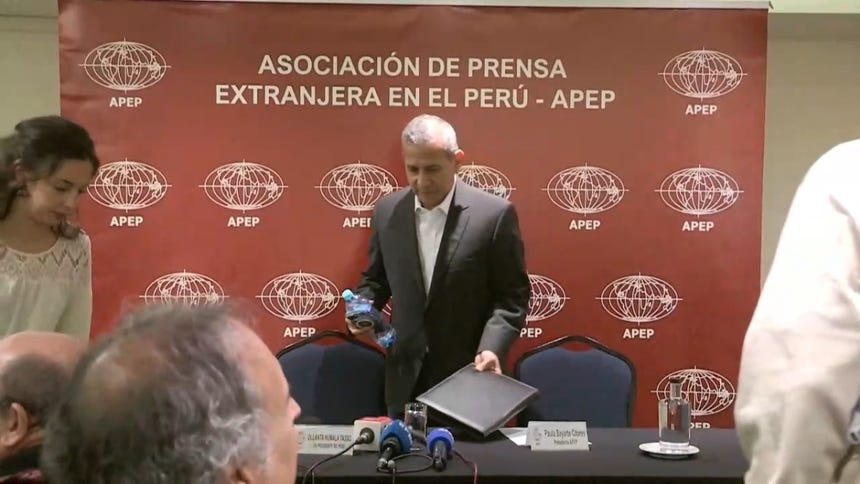
In a significant return to the public eye, former Peruvian President Ollanta Humala has signaled a robust legal offensive against the Peruvian state. Following his release from the Barbadillo prison—where he spent 15 months in pretrial detention amidst a high-profile money laundering investigation—Humala addressed the Association of Foreign Press in Peru (APEP). He characterized his legal ordeal as a campaign of political persecution, asserting that he now intends to secure "historical reparation" for himself, his family, and the Nationalist Party.
The Genesis of the Legal Conflict: A Historical Perspective
The former head of state, who governed Peru from 2011 to 2016, frames his legal woes not as isolated judicial events, but as a strategic assault launched years ago. According to Humala, the roots of his legal troubles can be traced back to the aftermath of the 2006 presidential elections.
He directly implicated the late former President Alan García Pérez, accusing him of instrumentalizing the judiciary to neutralize political competition. Humala argues that the "criminalization" of campaign financing—a tactic he suggests was initially honed to target his Nationalist movement—eventually boomeranged against the political establishment that championed it.
"The political and judicial persecution was aimed at the Nationalist movement," Humala told the foreign press. "It wasn’t directed at the Fujimorists, the Apristas, or Pedro Pablo Kuczynski. They were the second wave. It was clear that the same thing would eventually happen to them. Perhaps political myopia or the sheer hatred held by García and other leaders against nationalism blinded them to the reality that these tactics would eventually consume them too."
Humala pointed to the social media reactions of political rivals who celebrated his initial imprisonment, orchestrated by Judge Richard Concepción Carhuancho. He noted the irony of those same politicians later facing their own judicial reckonings, suggesting that the normalization of aggressive pretrial detention as a political tool eroded the very foundations of the judicial system.
Chronology of an Imprisonment
The legal saga, which culminated in a recent ruling by the Constitutional Court nullifying the grounds for his detention, serves as the centerpiece of Humala’s narrative of vindication.
- 2017: Ollanta Humala and his wife, former First Lady Nadine Heredia, are placed under 18 months of pretrial detention by Judge Richard Concepción Carhuancho, citing potential flight risk and obstruction of justice in the investigation into alleged illicit contributions from Odebrecht and OAS.
- 2018: The Constitutional Court orders the release of the couple, ruling that the detention was disproportionate and lacked sufficient evidence of the alleged risks posed by the defendants.
- 2024–2025: Legal proceedings continue to oscillate, with the defense successfully challenging the validity of the prosecution’s central arguments.
- 2026 (Present): Following the final resolution of the detention phase and the questioning of the prosecution’s methodology, Humala publicly confirms his intent to sue the state for damages, seeking an formal apology and the restoration of his party’s legal status.
Challenging the State: The Path to Reparation
Humala’s announcement regarding a formal lawsuit against the Peruvian state is not merely symbolic; it is a calculated effort to force a reckoning with what he calls the "criminalization of politics." He has instructed his legal team to draft a comprehensive demand that addresses the damage done to his reputation, the psychological toll on his family, and the dissolution of the Nationalist Party.
"I have decided to file a lawsuit against the Peruvian state to demand an apology—not just for me, but for my wife, Nadine, our party leaders, and the Nationalist Party itself," Humala stated. He specifically highlighted the loss of the party’s official registration, which he claims was a direct consequence of an orchestrated legal campaign designed to erase his movement from the political map.
Humala insists that the Constitutional Court’s favorable ruling is only the first step. For him, the "truth" must be institutionalized through a formal state acknowledgment that his detention was a breach of due process.
The Case of Nadine Heredia and the Search for Guarantees
A sensitive and significant portion of the discourse focused on the status of former First Lady Nadine Heredia. Currently residing in Brazil under the protection of political asylum, Heredia remains at the center of ongoing investigations, particularly regarding the Gasoducto Surperuano project.
Humala was unequivocal in his defense of his wife, arguing that the judicial pursuit of Heredia remains driven by political animus rather than concrete technical evidence. He maintained that she is being targeted solely due to her political influence, despite never having held a formal government position.
"We still have not found sufficient guarantees for my wife to return to the country," Humala remarked. "We need to ensure that the family can be reunited without the constant threat of judicial persecution hanging over her head. The accusations regarding the gas pipeline lack technical substance and are purely aimed at the political figures who challenged the establishment."
Implications for the Political Landscape
While Humala remains adamant about clearing his name, his stance on future political aspirations remains guarded. When asked if he intended to pursue the presidency again, he prioritized the stabilization of his family life and the legal restoration of his party.
"It is not that my political dream of being president has been stripped away," he noted. "But I have already served as president. There is time to recover what was lost with my family. I am currently focused on closing the pending legal chapters regarding the OAS and Odebrecht investigations and ensuring that the Nationalist Party regains its legal standing."
The broader implications of Humala’s legal challenge are substantial. Should he succeed in extracting an apology or a significant judgment against the state, it could set a powerful legal precedent for other politicians who claim to have been victims of judicial overreach. Conversely, his vocal criticism of the judiciary and the Prosecutor’s Office underscores the deepening polarization within Peru’s institutional framework.
Closing the Chapter on Odebrecht and OAS
The shadow of the Lava Jato investigation, which has implicated almost every major political figure in Peru over the last two decades, continues to loom. Humala’s assertion that "if there is no crime, the truth will eventually put things in their place" reflects a defiance that resonates with a segment of the population that feels the judicial system has been weaponized.
As the former president pivots toward a legal battle against the state, the focus will now shift to the administrative and judicial response to his lawsuit. Whether the courts will view his grievances as a legitimate pursuit of justice or a political maneuver to rewrite his own history remains to be seen. What is clear, however, is that Ollanta Humala is not retreating from the public arena; rather, he is preparing for a new phase of his struggle—one fought in the courts, with the aim of altering the historical record of his presidency and the subsequent collapse of his political project.