Introduction: A New Milestone for Sustainable Mining in Cajamarca
In a significant move for the Peruvian mining sector, the Ministry of Energy and Mines (MINEM), through its General Office of Social Management (OGGS), successfully facilitated a landmark agreement between Compañía Minera Ares and the Pampa de Cuyoc peasant community in Cajamarca. The accord, which centers on the renewal of a 14-year land usufruct contract, marks a pivotal moment in the transition from active mining operations to responsible environmental stewardship.
This agreement ensures the continuity of the approved Mine Closure Plan for the Sipán Operational Unit, effectively securing a framework for environmental rehabilitation, physical stability, and long-term monitoring. By fostering an environment of mutual respect and transparent communication, the dialogue between the community and the mining firm serves as a blueprint for conflict resolution and sustainable development in the mining-rich regions of Peru.
Main Facts: The Core of the Agreement
The core of the negotiation revolves around the legal status of the land occupied by the Sipán unit. To ensure that the mine closure process is not hampered by legal or social instability, the following pillars were established:
- 14-Year Usufruct Extension: The community of Pampa de Cuyoc has granted the company continued rights to the land for over a decade. This duration is specifically tailored to align with the technical timelines required for full site restoration.
- Environmental Compliance: The agreement explicitly ties the land use to the "Plan de Cierre de Minas" (Mine Closure Plan). This ensures that the company remains legally and morally obligated to stabilize the land and restore the local ecosystem.
- Local Socio-Economic Commitment: Beyond the environmental scope, the company has pledged to prioritize local employment for the decommissioning and remediation phases. This approach ensures that the community directly benefits from the economic activity generated during the closure process.
- Institutional Facilitation: The role of the OGGS-MINEM was crucial. Acting as a neutral mediator, the ministry provided the technical and social expertise necessary to bridge the gap between corporate requirements and community expectations.
Chronology of the Dialogue Process
The success achieved in the district of Llapa, province of San Miguel, was not an overnight occurrence. It was the result of a deliberate, phased engagement process:
- Initial Contact and Fact-Finding: Recognizing the impending expiration of previous arrangements, the MINEM-OGGS initiated preliminary meetings with both parties to identify key pain points, including land ownership concerns and historical grievances.
- Technical Validation: Before entering into formal negotiations, technical teams assessed the current state of the Sipán unit to determine the exact timeframes required for environmental stabilization.
- Facilitated Dialogue Sessions: Several rounds of high-level meetings were held under the principles of transparency. These sessions allowed community leaders to express their concerns regarding land use and environmental impacts, while company representatives outlined their obligations and operational limitations.
- Drafting and Consensus Building: The parties engaged in a period of collaborative drafting, ensuring that the agreement met both the legal requirements of the Peruvian state and the socio-economic aspirations of the community members.
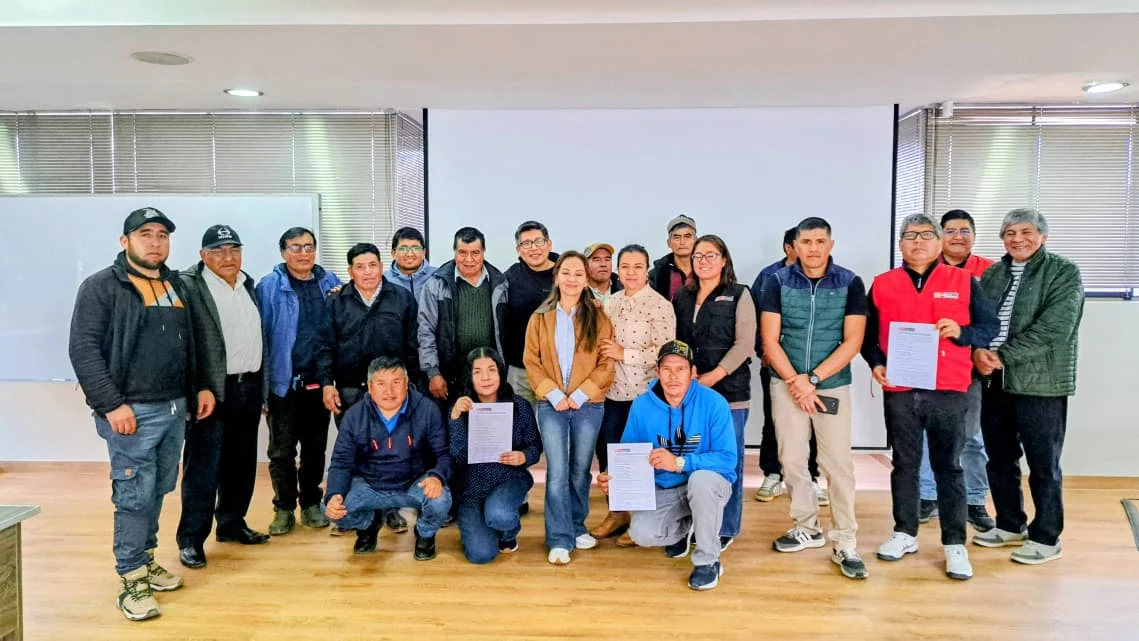
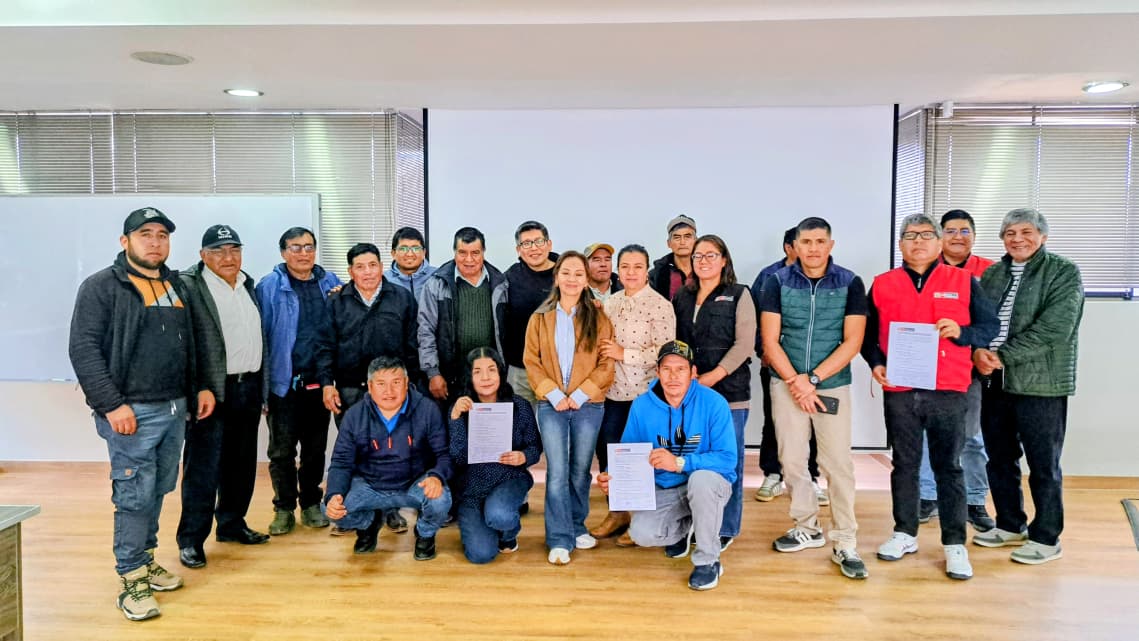
- Official Signing: The process culminated in the official signing of the agreement, where all stakeholders—representatives of the Pampa de Cuyoc community, Compañía Minera Ares, and the MINEM—formally endorsed the pact, establishing a permanent monitoring committee.
Supporting Data: Why This Matters for the Environment
The Sipán unit represents a critical case study in how mining companies can leave a positive legacy post-extraction. The activities covered under the 14-year agreement include:
- Physical Stability: Preventing erosion and landslides through the engineered contouring of tailings and waste rock piles.
- Chemical Stability: Ensuring that water runoff from the site meets strict environmental quality standards, protecting the agricultural water sources of the Llapa district.
- Revegetation: Using native species to restore the biodiversity of the highland landscape, ensuring that the land can eventually be returned to the community in a productive state.
- Monitoring Poscierre: A comprehensive plan for long-term environmental surveillance, which will be shared with the community to ensure transparency and trust in the safety of the site.
Official Responses and Stakeholder Perspectives
The Community of Pampa de Cuyoc
Leaders of the Pampa de Cuyoc community expressed relief and satisfaction with the outcome. They highlighted that the assistance provided by the OGGS was instrumental in demystifying the technical aspects of the Mine Closure Plan. "The presence of the ministry allowed us to engage on equal footing," noted a community spokesperson. "This agreement provides us with the security that our land will be restored and that our people will be part of the workforce that heals our territory."
Compañía Minera Ares
For Compañía Minera Ares, the renewal of the contract is a demonstration of corporate responsibility. By securing the site for 14 years, the company avoids the risks associated with premature abandonment or legal disputes. The management emphasized that their commitment to the region goes beyond extraction, focusing on being a "good neighbor" even as the operation winds down.
The Ministry of Energy and Mines (MINEM)
The MINEM issued a statement reaffirming its role as a facilitator of "sustainable mining." Officials emphasized that the goal is to transform the mining lifecycle into a platform for long-term regional development. The ministry’s commitment is to ensure that no mine is abandoned without a comprehensive, community-backed remediation strategy.
Implications: A New Model for the Mining Industry
The Pampa de Cuyoc-Ares agreement has broader implications for the Peruvian mining sector, which frequently faces social unrest due to perceptions of environmental neglect and lack of community consultation.
1. Precedence for Conflict Resolution
This case demonstrates that early intervention by the OGGS is more effective than crisis management. By creating a permanent communication channel, the stakeholders have minimized the risk of future blockades or protests, providing a stable operating environment for the duration of the closure.
2. Economic Diversification
The promise of local hiring for remediation is a strategic move. Instead of relying solely on external contractors, the company is investing in local skills. These workers, trained in environmental restoration and site management, will gain a specialized skill set that could be utilized in future environmental projects throughout the San Miguel province.
3. Strengthening the Social License to Operate
Even in the post-production phase, mining companies need a "social license to operate." This agreement proves that this license is not static but must be renegotiated as the mine’s impact on the community changes. By being transparent about the closure process, Ares has managed to maintain the community’s trust.
4. Alignment with National Sustainability Goals
The Peruvian government is under pressure to improve the environmental performance of its mining sector. Agreements like this help the state achieve its regulatory targets under the Mine Closure Law, reducing the financial and environmental liability that the state would otherwise face if a project were improperly abandoned.
Conclusion: The Path Forward
The agreement between the Pampa de Cuyoc community and Compañía Minera Ares is a testament to the power of dialogue. In a landscape often defined by tension, this success story stands out as a beacon of what can be achieved when government, industry, and local communities prioritize common interests.
As the Sipán unit enters its final phase, the focus will now shift to the implementation of the technical and social programs outlined in the contract. With a 14-year horizon, there is ample time to transform the legacy of the mine into a sustainable future for the people of Llapa. The MINEM’s commitment to providing ongoing technical support ensures that this partnership will remain on track, setting a high standard for the rest of the industry to emulate.
Moving forward, the success of this agreement will be measured by the transparency of the monitoring committees and the actual socio-economic impact on the families of Pampa de Cuyoc. If implemented successfully, it will prove that mining, when managed with a focus on long-term sustainability and social harmony, can truly serve as a catalyst for prosperity and environmental restoration in Peru.