The landscape of personal finance in Peru stands on the precipice of a significant structural transformation. The Superintendency of Banking, Insurance, and Private Pension Funds (SBS) has unveiled an ambitious project known as "Open Finance" (Finanzas Abiertas), a regulatory initiative designed to dismantle information silos and foster a more competitive, consumer-centric financial ecosystem. By empowering users to control and share their transactional data, the SBS aims to move away from the current model—where banking institutions hold a monopoly on a client’s financial history—toward a more transparent, data-driven environment that rewards financial discipline with lower interest rates and tailored credit products.
The Core Concept: Redefining Financial Sovereignty
At its essence, Open Finance is a paradigm shift in how financial data is owned and utilized. Historically, when a Peruvian citizen secures a loan or manages a savings account, the resulting data—their income streams, spending habits, payment punctuality, and transaction velocity—remains locked within the digital vaults of the institution where the account resides.
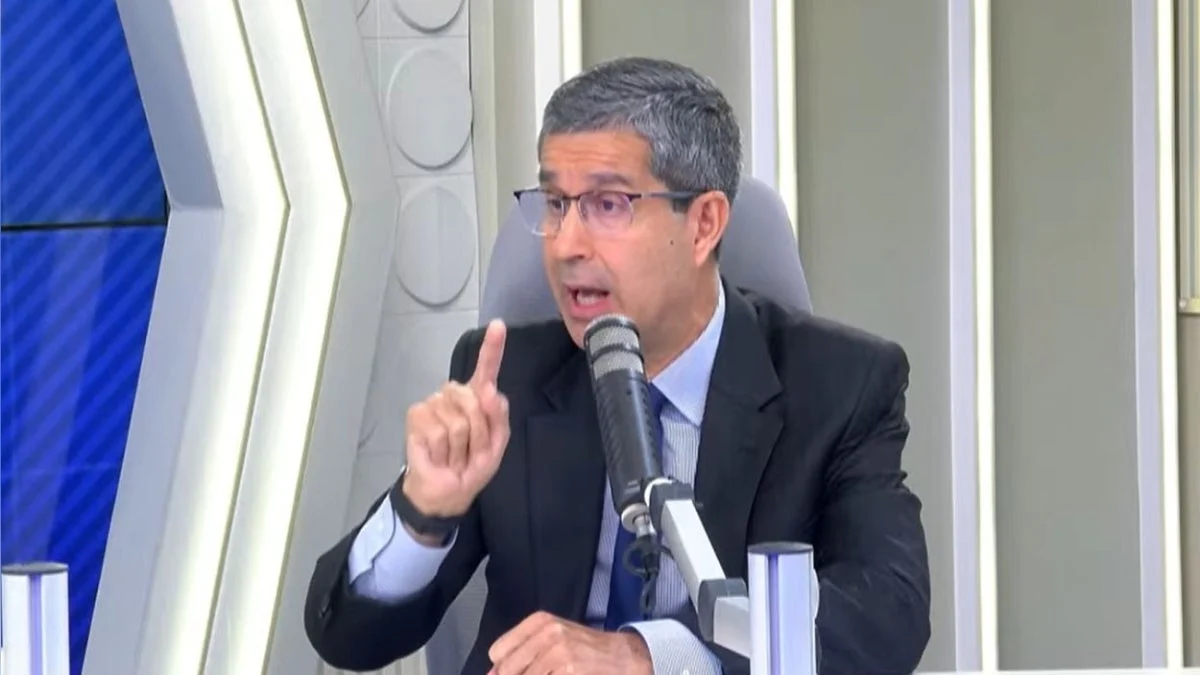
Sergio Espinosa, the Superintendent of the SBS, articulated the limitation of this current model during a recent interview with RPP. "The bank knows the money that a person moves, but the rest of the banks do not," he noted. This information asymmetry creates a significant barrier to entry for smaller or more agile financial institutions that might be willing to offer better terms but lack the visibility to assess the risk of a potential customer accurately.
The Open Finance initiative seeks to bridge this gap. Through secure, digital authorization mechanisms, consumers would be granted the power to "unlock" their financial data. A user with a strong track record of repayment could grant a second or third-party bank permission to analyze their historical performance. Consequently, that secondary institution could extend a competitive offer—such as a debt consolidation loan at a lower interest rate—to win the customer over. In this model, the consumer ceases to be a captive client of a single bank and becomes a highly sought-after asset that competing institutions must earn.
Chronology of a Regulatory Evolution
The push toward Open Finance did not happen in a vacuum. It is the culmination of years of digital transformation within the Peruvian financial sector, accelerated by the massive adoption of fintech solutions.
- The Pre-Digital Era: Historically, credit scoring relied heavily on traditional centralized databases (like credit bureaus), which often penalized individuals without formal banking histories, effectively excluding millions of micro-entrepreneurs and informal workers.
- The Rise of Digital Wallets (2020–2023): The COVID-19 pandemic acted as a catalyst for digital adoption in Peru. The proliferation of digital wallets transformed the financial habits of the population, providing a new layer of transactional data that was previously invisible to the formal banking system.
- The SBS Regulatory Pivot (2023–Present): Recognizing that traditional regulatory frameworks were lagging behind technological capability, the SBS began drafting the legal architecture for Open Finance. The focus shifted from merely protecting data privacy to enabling data portability, allowing the consumer to act as the "owner" of their information.
- Current Phase: The initiative is currently in the strategic communication and design phase, where the SBS is working to ensure that cybersecurity and data privacy standards are robust enough to support the infrastructure required for seamless, real-time data sharing between entities.
Supporting Data: The Impact of Digital Inclusion
The justification for Open Finance is backed by significant metrics regarding the democratization of credit. According to the SBS, nearly 18 million Peruvians now utilize digital wallets. This widespread adoption has provided a "financial footprint" for individuals who were previously ignored by traditional lenders.
To date, these digital platforms have facilitated over one million credit operations for segments of the population that previously had zero access to formal financing. These loans, typically ranging between S/300 and S/1,000, serve as the first rung on the ladder of financial inclusion. By analyzing the transactional patterns of small merchants, street vendors, and independent contractors, lenders can now estimate repayment capacity with greater precision than ever before.
This data-driven approach allows for a "progressive laddering" effect: an individual begins with a micro-loan, establishes a positive track record through consistent, on-time digital payments, and eventually qualifies for larger, lower-interest loans. Open Finance acts as the engine that scales this process across the entire financial system, allowing this "proven" track record to follow the consumer, regardless of which bank they choose to work with.
Official Responses and Strategic Rationale
Superintendent Sergio Espinosa has been the primary architect and spokesperson for this initiative, emphasizing that the primary goal is not just technology, but the humanization of interest rates.
"The interest rate is a price assigned to an individual; there is no single ‘general rate’ applicable to everyone," Espinosa explained. He argues that the current high-interest environment is, in part, a reflection of the "risk premium" banks charge when they lack sufficient data on a borrower. By providing a 360-degree view of a client’s financial health, banks can lower their risk assessments, which logically translates into a more competitive price (a lower interest rate) for the consumer.
The official stance from the SBS is that the concentration of information is a direct enemy of competition. When a bank knows everything about a customer, it faces no pressure to improve its service or lower its rates, as it assumes the customer is locked in. The Open Finance mandate seeks to dissolve these monopolies by forcing institutions to compete on value, service, and cost, rather than on the proprietary control of data.
Implications: The Future of the Peruvian Financial Market
The implementation of Open Finance carries profound implications for various stakeholders:
For the Consumer: Empowerment and Mobility
The most immediate benefit is the newfound mobility of credit. For years, "debt buying" (compra de deuda) in Peru was a complex, bureaucratic process. With Open Finance, the process could become automated. An application could potentially monitor a user’s credit profile and automatically alert them when a competing bank offers a lower rate for their existing debt. The consumer becomes the driver of the financial relationship, significantly reducing the "loyalty penalty" that often plagues long-term banking customers.
For Financial Institutions: The End of "Lazy" Banking
Traditional banks that have relied on captive customer bases will face an existential challenge. They must now transition from a model of "data ownership" to "data service." If they do not provide competitive products, they risk losing their best-performing clients to more efficient, data-savvy competitors or agile fintech firms. This will likely trigger a wave of innovation in credit scoring algorithms and personalized customer experience platforms.
For Fintechs: A Level Playing Field
Fintech firms, which often possess the technological infrastructure to process data efficiently but lack the historical data of a legacy bank, will be the biggest beneficiaries. Open Finance allows these companies to access the necessary information to provide services to the unbanked, thereby expanding the total addressable market for financial services in Peru.
For the Regulator: A Balancing Act
The SBS faces the critical task of balancing innovation with security. As data becomes more portable, the risk of cyber threats and unauthorized data access increases. The success of the project will depend on the SBS’s ability to implement strict cybersecurity protocols and clear legal guidelines regarding user consent. The system must ensure that while data is "open" for competition, it remains "closed" to malicious actors.
Conclusion: A More Inclusive Economy
The vision presented by the SBS is one of a frictionless, transparent financial market where "good behavior" is rewarded with tangible financial benefits. By utilizing the data generated by millions of digital transactions, Peru is positioning itself to bridge the gap between the informal and formal economies.
As the Open Finance project progresses, it promises to shift the power dynamic in the Peruvian financial system. The days of the "black box" credit score—where consumers were denied credit without knowing why—are numbered. In the new era of Open Finance, the data belongs to the people who generate it, and the competition to serve them will be fiercer, fairer, and more accessible than ever before. Whether this leads to a permanent reduction in interest rates or a broader expansion of financial services, one thing is clear: the path to financial inclusion in Peru is now being paved with digital information, and the benefits will be felt by millions who were once invisible to the traditional banking system.