Market Update: The Sol Gains Ground
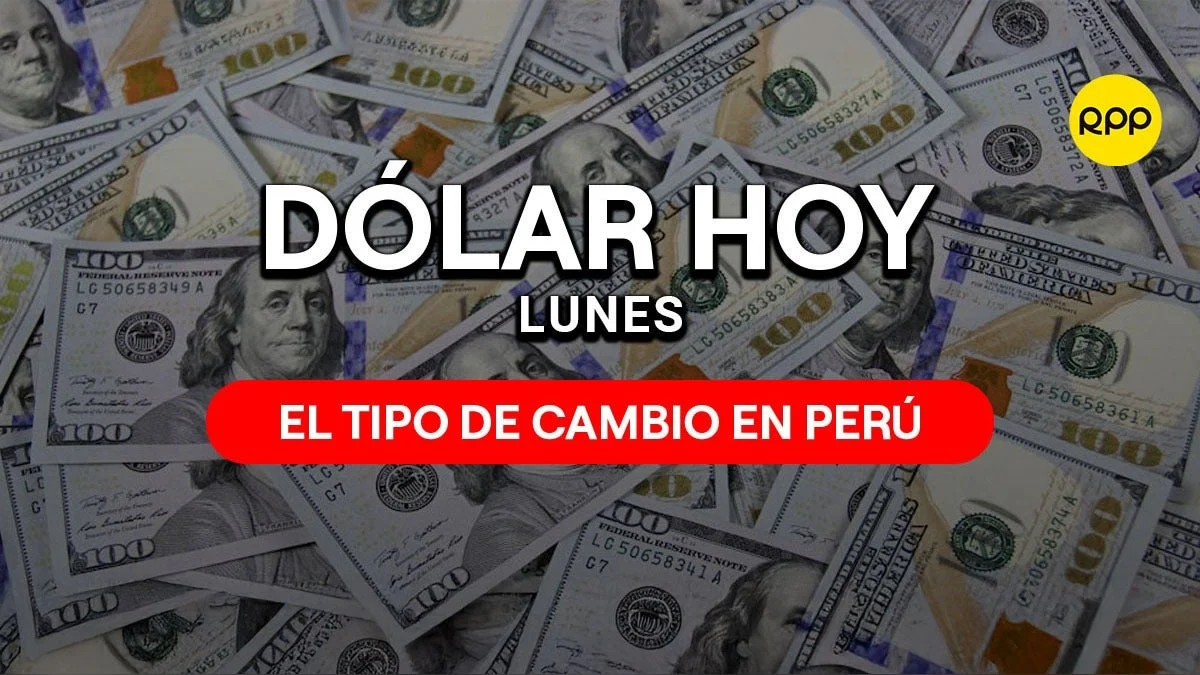
As of Monday, August 10, the Peruvian financial landscape experienced a notable shift. According to the latest official data provided by the Central Reserve Bank of Peru (BCRP), the exchange rate closed at S/ 3.38 per U.S. dollar. This figure represents a slight but significant appreciation of the national currency, marking a decline of 0.09% in the dollar’s value against the sol.
For the average citizen and corporate entity operating within the Peruvian market, this fluctuation is more than just a digit on a screen; it is a signal of the country’s economic pulse. When the sol gains strength against the greenback, the immediate effect is an expansion of the purchasing power of local consumers. This trend often acts as a stabilizing force, potentially curbing inflationary pressures on imported goods, which range from essential pharmaceuticals and technology to processed foodstuffs.
The Role of the U.S. Dollar in the Peruvian Economy
To understand why the daily fluctuation of the dollar is front-page news in Peru, one must first grasp the dual-currency nature of the local economy. While the sol is the legal tender, the U.S. dollar maintains a pervasive influence that defines the rhythm of commerce.
A Dollarized Financial Ecosystem
Peru has historically functioned within a "partially dollarized" economy. This means that a substantial volume of financial transactions—including long-term debt, mortgage loans, and corporate savings—is denominated in dollars. Consequently, the exchange rate is not merely a benchmark for travelers; it is a fundamental pillar of the domestic financial system.
When the dollar fluctuates, it sends ripples through the entire economic chain:
- Corporate Debt: Companies that have taken out loans in dollars see their debt service costs decrease when the sol appreciates. This frees up capital for reinvestment or operational expansion.
- Import Costs: Peru relies heavily on global markets for inputs, machinery, and consumer electronics. A stronger sol makes these imports cheaper, effectively lowering the cost of living for those who consume imported products.
- Banking and Savings: For individuals with savings accounts in dollars, a weakening exchange rate can lead to a perceived loss of value in their assets when converted back to local currency, highlighting the complexity of financial planning in Peru.
Chronology of Economic Dynamics
The exchange rate is rarely static. It is the result of a complex interplay between local monetary policy, global investor sentiment, and trade balances.
- Early Week Volatility: Markets often start the week with volatility as institutional investors adjust their portfolios based on international news from the previous weekend.
- The BCRP’s Intervention Strategy: The Central Reserve Bank of Peru operates under a system of "dirty float," meaning they allow the market to determine the price but intervene when volatility threatens financial stability. Monday’s dip to 3.38 is reflective of a market reacting to internal stability and balanced supply and demand for foreign currency.
- Medium-Term Trends: Over the past quarter, the sol has shown resilience. While global uncertainties—such as trade tensions or changes in U.S. Federal Reserve interest rates—put upward pressure on the dollar, the Peruvian economy has managed to maintain a competitive footing through prudent fiscal management.
Supporting Data and Economic Indicators
The stability of the exchange rate is intrinsically linked to Peru’s macroeconomic health. Several key indicators provide context for the current 3.38 valuation:
Trade Balance and Exports
Peru’s status as a major exporter of minerals (such as copper and gold) means that the value of the sol is often correlated with commodity prices. When copper prices rise on the global stage, the inflow of dollars increases, naturally appreciating the sol.
The Inflation Factor
The BCRP maintains an explicit inflation target. By keeping the exchange rate relatively stable, the bank ensures that imported inflation—inflation caused by the rising cost of foreign goods—does not spiral out of control. A rate of 3.38 provides a buffer that helps keep the prices of basic necessities stable for the middle class.
Comparative Regional Performance
When looking at the Latin American context, the Peruvian sol remains one of the most stable currencies in the region. Compared to the volatility seen in neighboring countries, the consistent management of the exchange rate by the BCRP has fostered a level of investor confidence that is essential for long-term foreign direct investment (FDI).
Official Responses and Monetary Policy
The Central Reserve Bank of Peru (BCRP) plays a pivotal role as the guardian of monetary stability. Their mandate is to preserve the value of the currency while promoting economic growth.
The Stance of the BCRP
In official communications, the BCRP emphasizes that they do not target a specific exchange rate, but rather seek to minimize excessive volatility. Their tools include:
- Reserve Requirements: Adjusting the amount of money banks must hold in reserve.
- Direct Intervention: Buying or selling dollars in the open market to prevent sharp spikes or crashes.
- Interest Rate Management: By adjusting the benchmark interest rate, the bank influences the attractiveness of holding local currency versus foreign currency.
Economic analysts frequently note that the BCRP’s autonomy is the "gold standard" in Latin America. By shielding monetary policy from short-term political pressure, the bank has provided a predictable environment that allows businesses to plan for the future.
Implications for the Peruvian Citizen
For the average Peruvian, the exchange rate is a barometer for their personal financial health. Whether it is a family planning a summer trip abroad or a small business owner purchasing inventory from China, the rate of 3.38 has tangible consequences.
Informed Financial Decision-Making
Financial literacy in Peru has evolved significantly. Today, more citizens understand that they must weigh the interest rates of loans in dollars versus those in soles.
- The Risks of Mismatch: Borrowing in dollars while earning in soles is a risk that many households have learned to avoid, especially after historical periods of extreme currency fluctuation.
- Strategic Saving: Savvy investors now monitor the BCRP reports to decide the best time to diversify their portfolios between local and foreign currency.
Impact on Consumer Goods
The "slight disinflation" mentioned in recent reports is a direct boon to the average consumer. When the dollar weakens, the price of imported medicines, high-end electronics, and certain food products typically stays flat or decreases. This is a critical factor for households struggling to maintain their standard of living amidst broader global economic pressures.
Conclusion: Looking Ahead
The exchange rate of 3.38 on August 10 serves as a reminder of the delicate balance required to maintain a healthy economy in a globalized world. While the appreciation of the sol offers immediate benefits in terms of purchasing power and lower inflation, it also requires vigilance from both policymakers and the public.
As Peru continues to navigate the complexities of the international market, the transparency of the BCRP and the informed participation of its citizens will remain the bedrock of the country’s financial stability. Whether the rate trends upward or downward in the coming weeks, the lesson remains clear: understanding the mechanisms of the dollar is essential for every Peruvian looking to protect their assets and plan for a secure financial future.
In a world defined by change, the stability of the sol acts as a vital anchor, ensuring that despite the fluctuations of the global market, the domestic economy remains a space where growth and opportunity can flourish.