In a significant stride toward energy decentralization, the Peruvian Ministry of Energy and Mines (Minem) has officially finalized the technical report for the "Siete Regiones" (Seven Regions) natural gas project. This milestone, long awaited by local authorities and citizens alike, marks a pivotal shift in the country’s energy policy, aiming to extend the benefits of natural gas—previously concentrated in Lima and Callao—to the heart of the country’s central and southern provinces.
The project, which has been in various stages of negotiation and evaluation for years, has now been formally submitted to the Ministry of Economy and Finance (MEF) for final review. This step is essential to authorize the signing of an addendum with the concessionaire, Cálidda, effectively greenlighting the infrastructure development required to bring affordable, clean energy to thousands of households.
Main Facts: A Landmark Energy Initiative
The "Siete Regiones" project represents one of the most ambitious infrastructure endeavors in Peru’s recent history. The primary objective is the massification of natural gas across seven key regions: Ayacucho, Ucayali, Junín, Cusco, Puno, Apurímac, and Huancavelica.
By finalizing the technical report, the government has addressed the complex regulatory and financial observations that previously stalled the project. The current proposal ensures that these regions will not only gain access to natural gas but will also benefit from a tariff structure equivalent to that applied in the capital, Lima. This parity is a cornerstone of the government’s commitment to social equity, ensuring that geographical distance from the coast does not translate into exorbitant energy costs for vulnerable populations.
The initial phase of the project targets over 201,000 residential users across approximately 15 major cities within these seven regions. Beyond residential heating and cooking, the infrastructure is designed to facilitate the transition of local industries toward natural gas, fostering economic growth and reducing the carbon footprint of regional manufacturing and commerce.
Chronology: The Road to Implementation
The journey of the "Siete Regiones" project has been marked by persistent advocacy from regional governors and successive rounds of technical adjustment by the Ministry of Energy and Mines.
- The Inception Phase: The project was conceived as a necessity to leverage Peru’s vast natural gas reserves, specifically those located in the Camisea field, to benefit the regions closest to the extraction sites.
- Regulatory Bottlenecks: Throughout 2022 and 2023, the project faced several setbacks related to tariff adjustments and the economic viability of the initial concession model. These challenges led to multiple rounds of revisions by the Minem to ensure the project remained attractive to private partners while being affordable for the public.
- The Technical Turnaround: In recent months, intensive working groups were established between the Minem and the Mancomunidad Regional of the Southern Macro-region. These sessions focused on "lifting" existing technical observations and refining the legal framework for the addendum.
- The Submission (Current Status): With the formal submission to the Ministry of Economy and Finance, the project has entered its final administrative phase. The Executive branch, through the Ministry of Energy and Mines, has set an ambitious goal to finalize the signing of the addendum with Cálidda by the end of October.
Supporting Data: Impact and Reach
The scope of the project is extensive. To reach the target of 201,000 households, the construction phase will involve the laying of thousands of kilometers of distribution networks, including high-pressure pipelines and secondary delivery systems within urban centers.
Economic and Environmental Projections
- Tariff Parity: By adopting the Lima tariff model, families in the Andes and the Amazon will see a significant reduction in their monthly energy expenditures compared to the current costs of liquefied petroleum gas (LPG) cylinders.
- Industrial Integration: The inclusion of industrial users in the project scope is expected to stimulate regional productivity. Natural gas provides a more stable and cheaper energy source for local agriculture-processing plants and small-scale industries.
- Decarbonization: Transitioning away from coal, wood, and traditional LPG reduces indoor air pollution and contributes to the national goal of lowering greenhouse gas emissions.
Official Responses and Stakeholder Perspectives
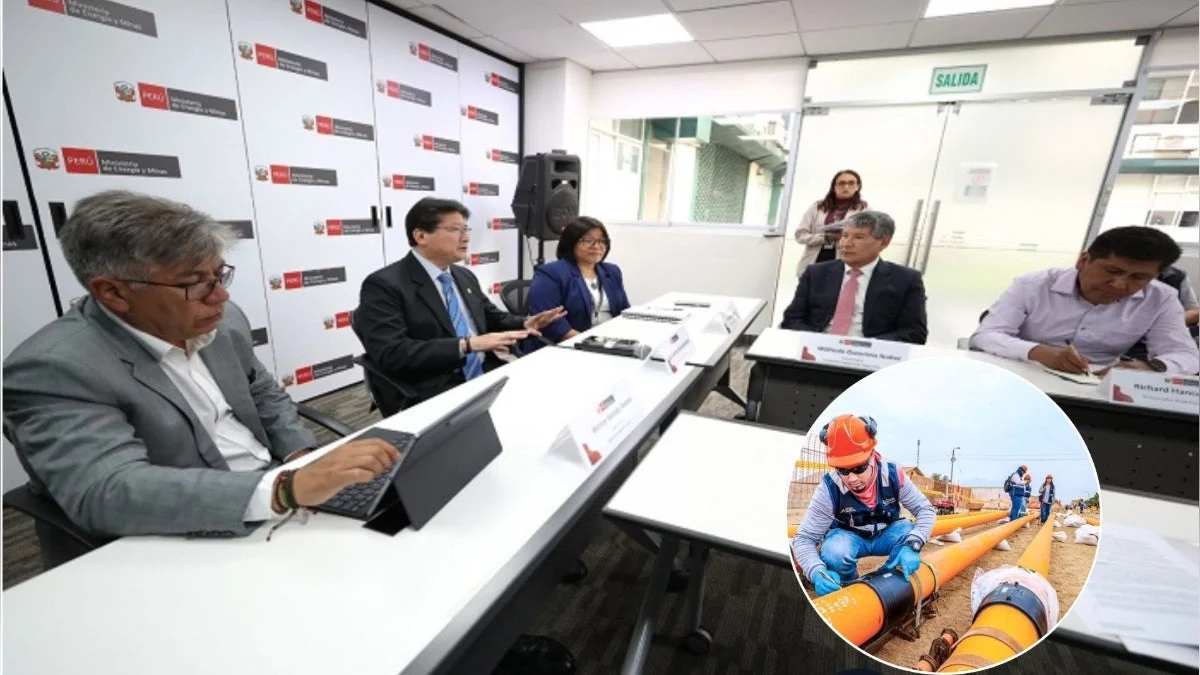
The progress was formalized during a high-level coordination meeting held in Lima, which brought together top-tier government officials and regional leaders. The sentiment among the governors is one of cautious optimism, tempered by a sense of urgency.
The Voice of the Regions
Werner Salcedo, the Governor of Cusco and current President of the Mancomunidad Regional of the Southern Macro-region, was vocal in his support. "This project is not merely an infrastructure plan; it is a promise of dignity for thousands of families who have watched as our natural resources pass through our lands, only to be utilized elsewhere," Salcedo stated. He emphasized that the regional leaders are committed to providing all necessary support to ensure the project moves forward without further delays.
Richard Hancco, the Governor of Puno, and Wilfredo Oscorima, the Governor of Ayacucho, echoed these sentiments, highlighting that the energy project is essential for the industrial development of their respective regions.
Government Commitment
The Ministry of Energy and Mines has emphasized that the collaboration with the MEF is proceeding smoothly. The Executive branch views this as a top-tier priority. By leveraging the technical expertise of the current administration, the government aims to avoid the pitfalls of past failed concession attempts, ensuring that the contractual framework is robust, transparent, and legally sound.
New Horizons: The Candamo Prospect
Beyond the immediate scope of the "Siete Regiones" project, the meeting touched upon a strategic issue for Peru’s energy future: the potential exploration of the Candamo gas field.
The Vice Minister of Hydrocarbons, Iris Cárdenas, confirmed that the government is evaluating the feasibility of expanding exploration efforts in this area. "Preliminary data suggests the presence of significant hydrocarbon reserves," Cárdenas noted. "Developing the Candamo field could be the key to securing long-term energy independence for Peru and ensuring we have the surplus necessary to power the next generation of industrial growth."
This move has been met with interest from regional leaders, particularly those in Puno, who see the potential for economic stimulation. While environmental concerns regarding exploration in sensitive areas remain a central topic of public discourse, officials maintain that any future development will be subject to rigorous environmental impact assessments and strict adherence to international safety standards.
Implications for Peru’s Energy Future
The finalization of the technical report for the "Siete Regiones" project is more than just a bureaucratic milestone; it represents a fundamental change in the state’s relationship with its regions.
- Energy Decentralization: For decades, the "centralism" of the Peruvian state has been a source of social and political tension. By providing a clean, cheap energy source to provinces outside the capital, the government is actively addressing one of the primary grievances of the southern and central populations.
- Economic Resilience: As global energy prices fluctuate, domestic natural gas acts as a buffer. By integrating more households and businesses into the national gas grid, Peru strengthens its domestic energy security, reducing dependence on imported energy products.
- The Role of Public-Private Partnerships: The success of the "Siete Regiones" project hinges on the effective execution of the addendum with Cálidda. This partnership model serves as a template for future infrastructure projects in the country, demonstrating that when the state provides clear technical and regulatory guidance, private investment can be effectively mobilized to serve the public interest.
Conclusion
As the Ministry of Economy and Finance reviews the final technical documentation, the eyes of the nation are turned toward the end of October. The potential signing of the addendum with Cálidda will symbolize the transition from planning to action. If successful, the "Siete Regiones" project will serve as the flagship of a new era of energy access, proving that the wealth of Peru’s natural resources can—and should—benefit all its citizens, from the bustling cities of the coast to the high-altitude communities of the Andes and the lush expanse of the Amazon.
The collaborative spirit demonstrated between the Minem and the regional governors suggests that, despite the complexities inherent in such a massive project, there is a shared vision for a more connected and energy-efficient Peru. The path ahead requires continued diligence, but the groundwork has been laid for a transformative shift in the nation’s energy landscape.