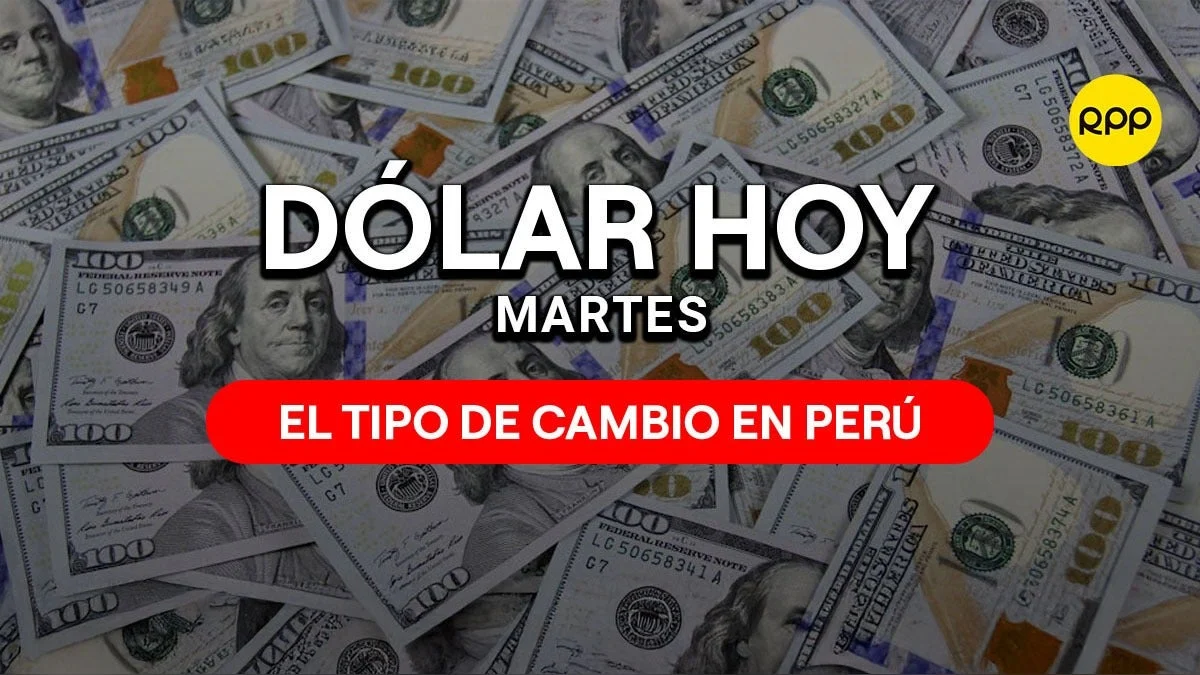
In the intricate landscape of global finance, few indicators are as closely watched by the Peruvian public as the daily exchange rate between the Sol and the United States Dollar. As of Tuesday, September 22, the Central Reserve Bank of Peru (BCRP) has pegged the exchange rate at S/3.36. While this figure serves as a snapshot for the day’s commercial activities, it is merely the tip of the iceberg in a complex, multifaceted economic ecosystem. For businesses, investors, and everyday citizens, understanding the mechanisms behind these movements is not just an academic exercise—it is a financial necessity.
Main Facts: The Current State of the Market
The exchange rate of S/3.36 represents the official valuation set by the BCRP, the autonomous institution tasked with preserving monetary stability in Peru. This rate acts as a benchmark for banks, exchange houses, and international trade agreements. However, it is essential to distinguish between the official BCRP rate and the "street" or market rate, which can fluctuate slightly based on the immediate supply and demand in retail exchange bureaus and digital platforms.
At its core, the exchange rate is a price—the price of one currency in terms of another. When the Sol weakens against the dollar, importers find their costs rising, potentially leading to inflationary pressure on imported goods like fuel, electronics, and certain food staples. Conversely, a strong Sol benefits those with dollar-denominated debts and lowers the cost of international travel and overseas education.
Chronology: The Evolution of Currency Dynamics
The history of the Sol’s relationship with the dollar is one of resilience and adaptation. Over the past decade, Peru has navigated various economic cycles, from the commodity boom that strengthened the local currency to the global uncertainties triggered by geopolitical shifts and public health crises.
The Foundation of Stability
Since the adoption of the inflation-targeting framework by the BCRP in the early 2000s, the Peruvian Sol has been one of the most stable currencies in Latin America. Historically, the central bank has intervened in the market, buying or selling dollars to mitigate excessive volatility, ensuring that the currency does not experience the "boom and bust" cycles that plagued the nation in the late 20th century.
Recent Market Trends
In the months leading up to September 2020, the market experienced heightened volatility. The initial global shock of the pandemic caused a flight to safety, with investors flocking to the dollar as a "reserve currency." As the global economy began its uneven path to recovery, the BCRP utilized its substantial international reserves to prevent a rapid devaluation of the Sol, maintaining a degree of predictability that has been vital for businesses trying to survive in a constrained economic environment.
Supporting Data: Why the Dollar Rises and Falls
The exchange rate is rarely static because it is governed by the universal law of supply and demand, influenced by a plethora of macroeconomic variables.
The Mechanics of Supply and Demand
The dollar is a commodity in the foreign exchange market. When there is a surge in demand—perhaps because investors are repatriating capital to the U.S. or because local companies need to pay off dollar-denominated debt—the price of the dollar rises. Conversely, when exports increase (bringing more dollars into the Peruvian economy), the supply of dollars increases, putting downward pressure on the exchange rate.
Key Drivers of Volatility
- Interest Rate Differentials: When the U.S. Federal Reserve raises interest rates, dollar-denominated assets become more attractive. Capital flows out of emerging markets like Peru and into the U.S., driving up the dollar’s value globally.
- Global Inflation: High inflation in the U.S. can erode the dollar’s purchasing power, but often, the market reacts by anticipating tighter monetary policy, which can ironically strengthen the dollar in the short term.
- Foreign Direct Investment (FDI): Large-scale mining or infrastructure projects in Peru require massive capital injections. When these investments arrive in dollars and are converted to soles to pay for local labor and materials, the Sol gains strength.
- Political Stability: Investor confidence is the bedrock of currency valuation. Uncertainty regarding tax policy, mining regulations, or governance can lead to capital flight, causing the Sol to lose ground quickly.
Official Responses and Monetary Policy
The Central Reserve Bank of Peru plays a dual role: it is both a spectator and an active participant in the currency market.
The BCRP’s "Dirty Float" Policy
Peru operates under a "dirty float" (or managed float) regime. This means the central bank allows the market to determine the value of the currency but intervenes if the volatility is deemed excessive or detrimental to the broader economy.
When the dollar spikes, the BCRP may sell dollars from its reserves to increase supply and calm the market. Conversely, when the dollar falls too sharply—which could harm the competitiveness of Peruvian exports—the bank may purchase dollars to stabilize the rate. This interventionist stance is why the Sol has historically been more stable than its neighbors in the Andean region.
Communication as a Tool
Beyond direct intervention, the BCRP uses "forward guidance" and public statements to manage expectations. By signaling their commitment to low inflation and fiscal discipline, they reassure foreign investors that the Peruvian economy remains a safe harbor, which inherently stabilizes the currency.
Implications: How Currency Fluctuations Affect You
Understanding these movements is crucial for various stakeholders in the Peruvian economy.
For Importers and Businesses
For companies that rely on imported raw materials, a fluctuating dollar is a significant operational risk. If the dollar rises, the cost of goods sold increases, forcing businesses to either absorb the cost (reducing profit margins) or pass it on to consumers (contributing to inflation). Sophisticated firms often use "hedging" instruments—contracts that lock in an exchange rate for future dates—to mitigate this risk.
For the Individual Saver
Many Peruvians choose to hold savings in dollars as a hedge against local inflation. This is a traditional defensive strategy. However, those who hold dollar-denominated debt (such as mortgage loans or vehicle loans) while earning in soles face a "currency mismatch." When the dollar rises, their debt effectively becomes more expensive in terms of local currency. It is a fundamental rule of personal finance in Peru to match the currency of one’s debt with the currency of one’s income.
For Travelers and Consumers
For the average citizen, the exchange rate dictates the cost of international travel, the price of imported technology, and even the cost of fuel. A weaker Sol makes foreign travel significantly more expensive, while a strong Sol makes imported consumer electronics more accessible.
Conclusion: Looking Ahead
The exchange rate of S/3.36 is more than a number; it is a barometer of the country’s economic health and its integration into the global financial system. While the factors driving the dollar—from U.S. monetary policy to internal political shifts—are often beyond the control of the average person, awareness is the best form of protection.
By keeping a close eye on the BCRP’s reports, understanding the fundamental drivers of the market, and managing financial exposure through prudent planning, both businesses and individuals can navigate the fluctuations of the dollar with confidence. As Peru continues to develop its financial markets and strengthen its institutions, the goal remains the same: ensuring that the Sol serves as a reliable anchor for the nation’s prosperity in an increasingly volatile global economy.