Executive Summary: A Session Stalled by Friction and Urgent Policy Needs
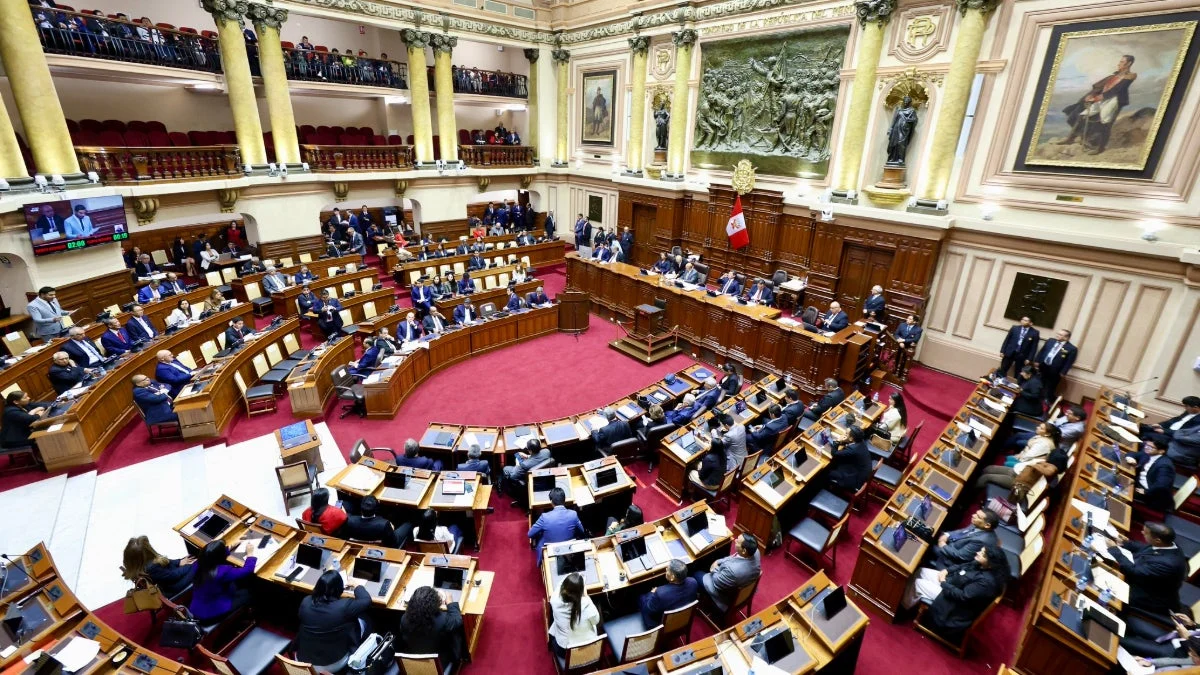
The Peruvian political landscape faced a fresh moment of instability this week as a high-stakes session of the Senate’s Commission on Constitution was abruptly suspended following four hours of intense debate. The session, which centered on the Executive branch’s request for extraordinary legislative powers, ended in a stalemate. The discussions were not only marked by policy disagreements regarding national security and climate preparedness but were also marred by a heated public confrontation between high-ranking government officials and members of the legislative body.
The commission, tasked with evaluating 46 critical points left out of the initial draft, has pushed the resumption of the session to Wednesday, October 14. This delay comes at a sensitive time, as the administration of President Keiko Fujimori seeks to fast-track measures aimed at curbing rising crime rates and mitigating the anticipated impacts of the El Niño phenomenon.
Chronology of the Confrontation
The atmosphere inside the legislative chamber was reportedly volatile from the onset. The session was intended to be a technical defense of the Executive’s legislative agenda, but it quickly devolved into a display of partisan friction.
- The Initial Defense: Ministers representing the portfolios of Defense, Justice, and Housing presented the urgency behind the 46 pending items. These items are legally categorized as essential for the operational capacity of the state in addressing immediate security threats and environmental emergencies.
- The Escalation: The situation reached a breaking point when an aggressive verbal exchange occurred between the Minister of the Interior, César Astudillo, and Senator Iber Maraví of the Juntos por el Perú faction. Witnesses noted that the argument interrupted the orderly flow of the commission’s agenda, forcing the chair to intervene as the verbal sparring grew increasingly personal.
- The Suspension: Following the altercation, the momentum of the session dissipated. The commission members, citing a lack of decorum and the need to reset the tone for further deliberation, moved to suspend the meeting. The formal proceedings are now scheduled to resume on October 14 at 10:00 a.m.
The Core Policy Disagreements
At the heart of the standoff are 46 specific legislative points that the government claims are vital to the governance of the country. The Executive branch argues that current legislative frameworks are insufficient to combat the "wave of criminal activity" currently plaguing the nation.
1. Security and Organized Crime
The government’s proposal includes provisions to grant the Executive branch the authority to implement stricter penalties for extortion and organized crime. Recent reports of transport companies halting operations due to targeted violence against drivers have put immense pressure on the Ministry of the Interior to provide a robust response.
2. The El Niño Preparedness
Beyond criminal justice, the legislative package includes critical infrastructure and emergency response protocols related to the El Niño phenomenon. With weather authorities (SENAMHI) issuing red alerts for rising temperatures and potential flooding in dozens of regions, the government asserts that it needs "fast-track" powers to allocate resources and mobilize emergency personnel without the procedural delays inherent in standard legislative voting.
Official Responses: Cooling the Rhetoric
Following the session, Minister of Defense Rafael Belaunde addressed the media outside the Parliament. His tone was one of reconciliation, attempting to downplay the severity of the incident between Minister Astudillo and Senator Maraví.
"In politics, tempers sometimes flare, but in the end, it did not escalate beyond words," Belaunde stated. When asked if the Executive had been in direct communication with President Keiko Fujimori following the outburst, the Minister clarified that no such consultation had taken place, reiterating that the clash was merely a symptom of the "heat of political debate."
Persuasion vs. Agenda
Belaunde’s message to the legislature was clear: the government believes that national interest must supersede political partisanship. "What we need to do is persuade the parliamentarians. It is evident that everyone has their own political agenda, but I believe it is more important to prioritize the interests of Peru," the Minister emphasized.
While Belaunde remained accessible to the press, the other ministers present—including the Minister of Justice and the Minister of the Interior—opted for silence, departing the premises without providing further statements. This tactical silence is viewed by many political analysts as a sign of frustration, indicating that the Executive is finding it difficult to build the consensus necessary to move its agenda forward.
Implications for the Fujimori Administration
The failure to secure a vote on these 46 points poses a significant challenge for the administration.
The Risk of Institutional Paralysis
If the Commission on Constitution continues to delay the approval of these powers, the Executive branch risks being unable to fulfill its campaign promises regarding security. For a government that has staked its reputation on restoring order, the inability to pass legislation through a divided Congress could be perceived as a failure of leadership.
Historical Precedent
As noted by political observers and previously voiced by Minister Rafael Belaunde, the total denial of a request for legislative powers would be an unprecedented event in the country’s recent history. Most administrations, regardless of their parliamentary standing, have historically been granted at least a portion of their requested powers to ensure functional governance. The current resistance suggests a hardening of opposition lines, potentially signaling a period of prolonged legislative gridlock.
Public Perception
The public is increasingly concerned about the disconnect between the political class and the realities on the ground. As the threat of the El Niño phenomenon looms and the crime rate remains high, the spectacle of ministers and senators arguing in the halls of power may alienate voters. The government’s challenge, therefore, is two-fold: they must effectively lobby the opposition to secure the necessary votes while simultaneously managing the public optics of a government that is clearly struggling to maintain control of the legislative narrative.
Looking Ahead: The October 14 Resumption
All eyes are now turned toward the next session of the Commission on Constitution. The political parties involved have a narrow window to reconcile their differences.
Political analysts suggest that the coming week will be characterized by intense "backroom" negotiations. The government is expected to soften certain aspects of its legislative request to make it more palatable to opposition blocs, while members of the Commission are likely to demand stricter oversight mechanisms as a condition for granting the requested powers.
The outcome of the October 14 session will serve as a bellwether for the remainder of the legislative year. If the session results in further conflict or another suspension, it could trigger a deeper cabinet crisis or force the President to consider more drastic measures, such as restructuring the cabinet or escalating the use of the "confidence vote" mechanism—a move that carries significant constitutional weight and risk.
In conclusion, the suspension of the commission is not merely a bureaucratic delay; it is a manifestation of a deeper struggle for power and policy direction in Peru. As the nation faces external threats from climate change and internal threats from criminal syndicates, the ability of the executive and legislative branches to move past personal and political altercations will be the definitive test of the current administration’s viability.