Executive Summary: A Conditional Freedom
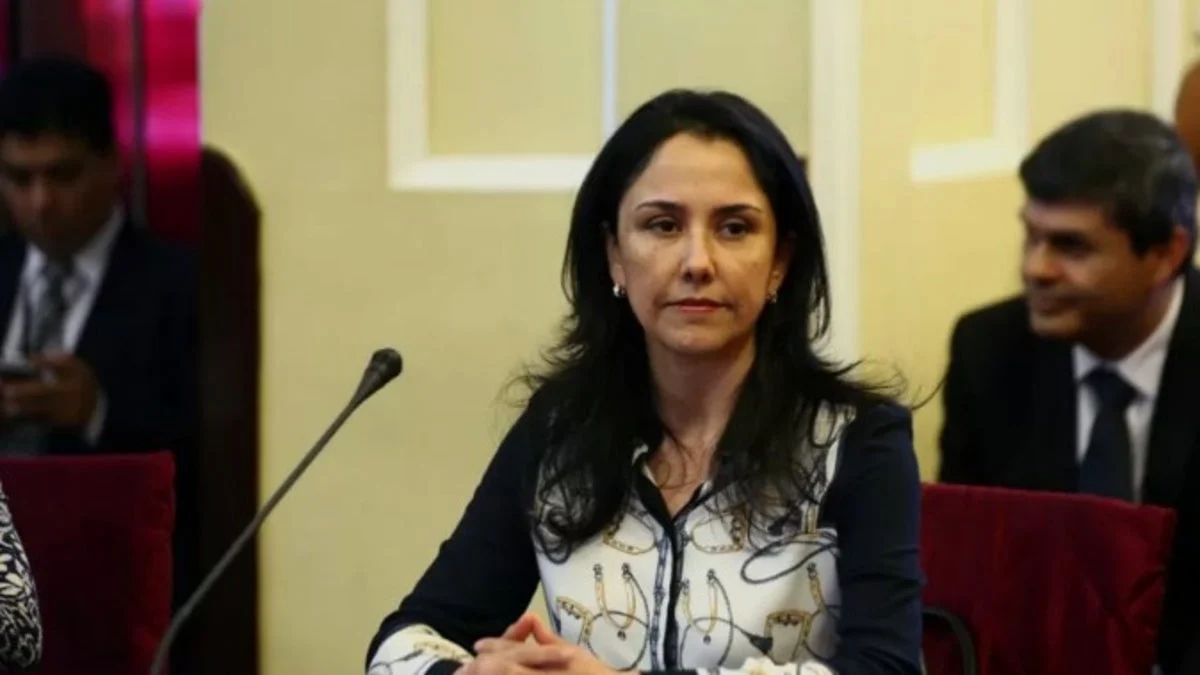
In a landmark judicial development, the Peruvian justice system has formally archived the criminal investigation against former First Lady Nadine Heredia regarding the illicit financing of the 2006 and 2011 presidential campaigns of her husband, former President Ollanta Humala. Despite this legal victory, which clears the path for her potential return to Peru, Heredia’s legal defense has advised her to remain in Brazil. The case, which centered on allegations of money laundering involving funds from Venezuela and Brazilian construction giants Odebrecht and O.A.S., concludes a long-standing chapter of legal turbulence for the former administration. However, concerns regarding "persecution" and the lack of "absolute guarantees" continue to dictate the former First Lady’s movements.
The Judicial Ruling: Extent of the Decision
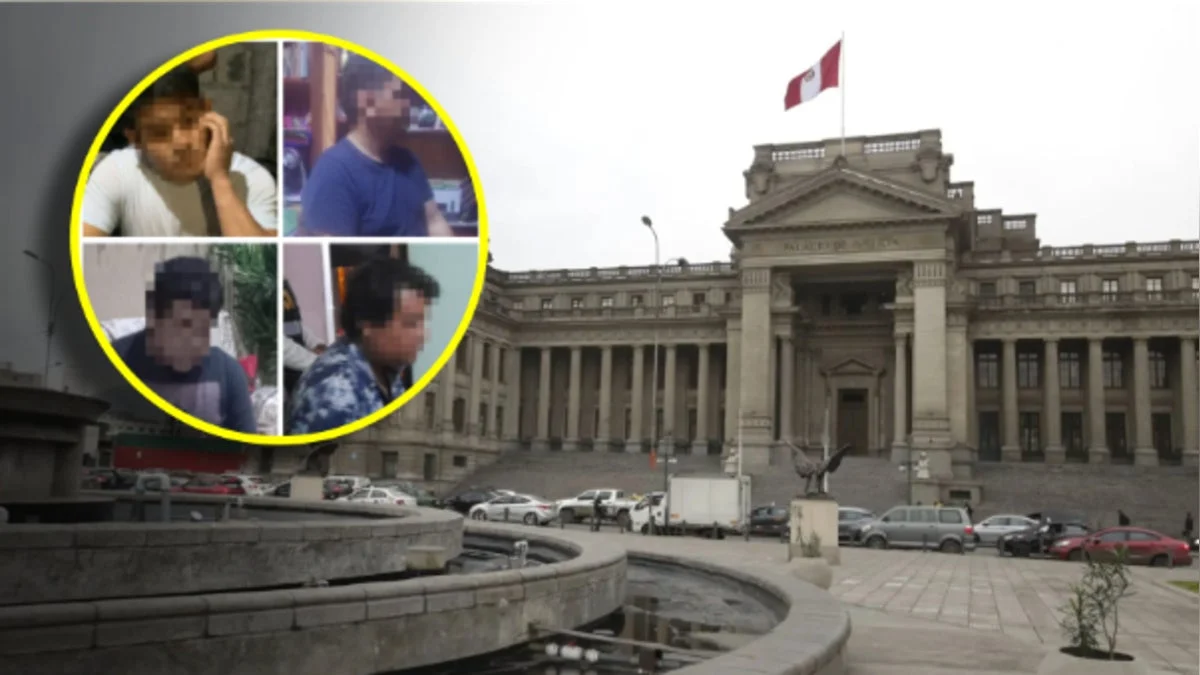
The Second National Criminal Chamber of Appeals issued a definitive resolution on August 7, officially archiving the processes against Nadine Heredia, as well as several key associates. This decision was not an isolated act of the Chamber but a direct consequence of a precedent-setting ruling by the Peruvian Constitutional Court (TC).
The TC had previously granted a habeas corpus appeal filed by former President Ollanta Humala, which declared the nullity of the entire criminal proceeding against him for the alleged crime of money laundering. By invoking the principle of legal extension, the Second Chamber applied this same reasoning to Heredia and her co-defendants, including:
- Ilan Heredia: The former First Lady’s brother.
- Antonia Alarcón: Heredia’s mother.
- Rocío Calderón: A close associate and friend.
- Santiago Gastañadui: Former Congressman.
- Corporate Entities: The Partido Nacionalista Peruano and the firm Todo Graph S.A.C.
The court’s decision effectively dissolves the legal framework that had tethered the former First Lady to Peruvian courts for nearly a decade, acknowledging that the underlying evidence and procedural path in the money laundering case were fatally flawed or inconsistent with constitutional standards.
Chronology of a High-Stakes Legal Battle
The legal saga surrounding Nadine Heredia spans nearly two decades, mirroring the rise and fall of the Humala-Heredia political project.
The Foundation (2006–2011)
Allegations began surfacing regarding the financing of the Nationalist Party’s campaigns. Investigations centered on the alleged receipt of illicit funds from the Venezuelan government and, subsequently, significant financial contributions from Brazilian construction conglomerates Odebrecht and O.A.S., which were then seeking infrastructure contracts in Peru.
The Escalation (2015–2017)
As the "Lava Jato" scandal erupted across Latin America, the investigation in Peru intensified. Nadine Heredia faced intense scrutiny as prosecutors argued that she was the de facto leader of a criminal organization within the government. This period saw travel bans, asset freezes, and a high-profile period of preventive detention.
The Exile (2025)
Following years of what she described as "judicial harassment," Heredia sought asylum in Brazil. On April 16, 2025, she relocated to Brasília with her youngest son, successfully obtaining diplomatic protection from the government of Luiz Inácio Lula da Silva. The Brazilian government recognized her status as a victim of political persecution, a narrative her legal team has championed throughout the international community.
Legal Strategy: The Stance of the Defense
Marco Carvalho, the attorney representing Nadine Heredia in Brazil, provided a stark assessment of the situation in an interview with RPP. While acknowledging the archival of the case as a victory, he emphasized that the closure of a single legal file does not automatically translate to safety.
The "Persecution" Narrative
Carvalho stated: "The closing of one case does not guarantee that the danger of persecution has ceased, nor that the Peruvian State offers the necessary guarantees for her return." According to the defense, the judicial system in Peru remains compromised by political bias, and Heredia’s return could be met with new, perhaps fabricated, legal challenges.
The Diplomatic Shield
The asylum granted by the Brazilian government remains the primary shield for the former First Lady. Carvalho noted that the protection was not granted lightly but was the result of a thorough review of the "harassment" Heredia faced within the Peruvian judicial framework. As long as the risk of "political retribution" persists, the recommendation remains for her to stay in Brasília under the protection of the Lula administration.
Implications for the Peruvian Political Landscape
The archival of this case carries significant weight for Peru’s fragile political stability.
Impact on the Nationalist Party
The decision provides a momentary reprieve for the Nationalist Party, which has been severely weakened by the corruption allegations. However, the political capital of the Humala-Heredia era remains largely spent. The exoneration may provide a moral victory, but it is unlikely to lead to a political resurgence in a polarized electoral environment.
Judicial Credibility
The fact that the Constitutional Court overturned a process that had been a centerpiece of the Special Team for the Lava Jato case raises difficult questions about the efficacy and impartiality of the Peruvian justice system. Critics of the judicial process argue that the prosecution overreached, relying on theories of "criminal organizations" that failed to meet the strict evidentiary standards required by higher courts. Conversely, those who supported the investigation view this outcome as a setback for anti-corruption efforts in the country.
Supporting Data and Context: The Lava Jato Legacy
The case of Nadine Heredia was part of a larger, systemic effort to investigate the influence of Brazilian construction firms on Peruvian politics. The inclusion of Odebrecht and O.A.S. in the charges brought against her placed her at the heart of the greatest bribery scandal in the history of the Americas.
The investigation faced hurdles from the start, ranging from the translation of documents to the reliability of testimony from former executives. The eventual nullity of the Humala-Heredia case suggests that the prosecution failed to establish a direct link between the funds and a specific illicit act, highlighting a recurring issue in complex money laundering cases where the burden of proof for the "predicate offense" is high.
Future Outlook: Will She Return?
The question of whether Nadine Heredia will return to Peru remains open. For now, she is legally free to travel, as the restrictions imposed by the court have been lifted along with the archive of the case. However, her legal team’s advice is clear: until the political temperature in Lima cools and the specter of "judicial activism" is dispelled, Brazil will remain her base.
For the Peruvian government and the Public Ministry, the challenge now lies in managing the fallout of these high-profile exonerations. Public trust in the justice system is inextricably linked to the outcomes of these cases. Whether this represents a triumph of the rule of law or an escape from accountability depends heavily on the perspective of the observer, but for the former First Lady, the immediate priority is the maintenance of her status as an internationally protected individual.
As the dust settles on this legal chapter, the case serves as a poignant reminder of the enduring tension between the judiciary, the political class, and the influence of multinational corporations in the governance of Peru. The story of Nadine Heredia is far from over, but for the first time in years, the legal barriers to her movement have been dismantled, leaving her future in the hands of political necessity rather than judicial mandate.