Executive Summary: A Swift Regulatory Response
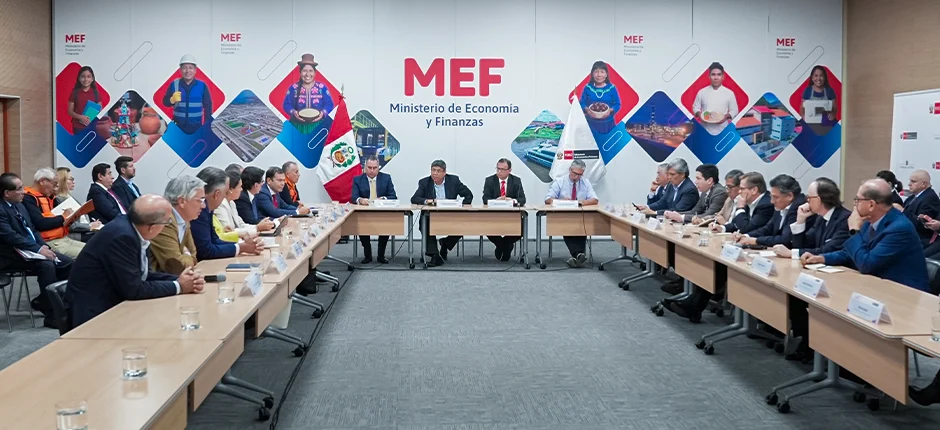
In a decisive move to address allegations of workplace misconduct, the Peruvian Ministry of Labor and Employment Promotion (MTPE) has mobilized a joint task force to investigate claims of sexual harassment involving Naldy Saldaña, a former vocalist for the popular musical group "La Bella Luz." The investigation, which involves the National Superintendency of Labor Inspection (Sunafil) and the Regional Directorate of Labor and Employment Promotion of Metropolitan Lima, aims to ensure that fundamental labor rights—specifically the right to a workplace free from harassment and violence—are upheld.
The government’s intervention follows high-profile public accusations made by Saldaña, who alleges she was subjected to inappropriate physical contact (tocamientos indebidos) while working under the umbrella of the musical ensemble. This case has sparked a national conversation regarding labor safety in the entertainment industry, prompting authorities to move beyond mere observation into active, site-specific inspection.
Chronology of Events: From Allegation to Inspection
The Accusation
The controversy erupted when Naldy Saldaña publicly denounced an incident of sexual harassment, naming César Sánchez Chavesta, the former musical director of "La Bella Luz," as the primary perpetrator. Saldaña’s testimony details an environment where she claims her professional boundaries were violated, leading to emotional distress and a subsequent departure from the group. Her appeal for justice gained traction on social media and mainstream media outlets, pressuring state institutions to act.
The Fiscal Intervention
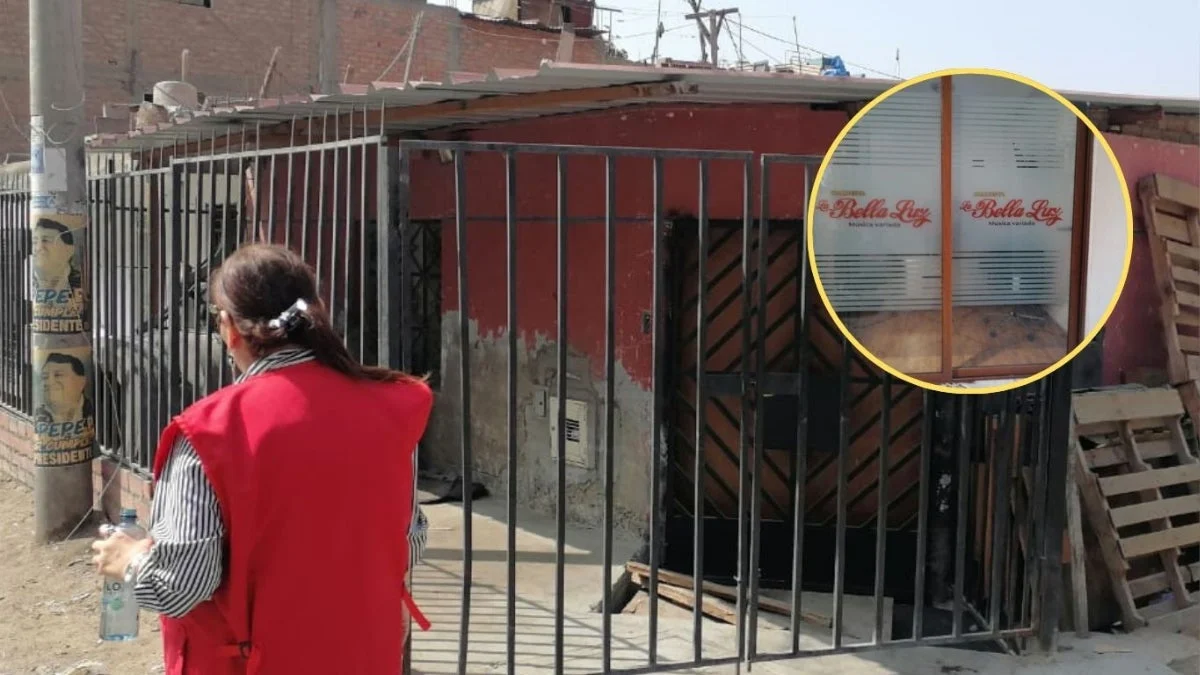
On Saturday, August 8, 2026, the MTPE’s designated team began its field operations. The initial phase of the inspection focused on a private property in the district of San Juan de Lurigancho. Authorities had identified this location as the primary rehearsal space for the orchestra, where the alleged incidents were reported to have taken place.
Upon arrival, investigators verified that the facility was dedicated exclusively to musical rehearsals. Following this, the team shifted its focus to the administrative heart of the organization: the official fiscal domicile of Empresa Musical Internacional La Bella Luz E.I.R.L., located in the district of Comas.
The Interrupted Diligence
The inspection process faced an unexpected delay at the Comas headquarters. According to an official statement from the MTPE, the proceedings were halted mid-process when the legal representative of the company suffered a medical emergency, described as a "decompensation." The individual was immediately transported to a local healthcare facility. Due to this development, the MTPE issued an official postponement, rescheduling the continuation of the inspection for Monday, August 10, at 12:00 PM.
The Regulatory Framework: A Multi-Agency Approach
Coordination Between MTPE and Sunafil
The investigation is not a solitary effort. It represents a "joint intervention" model, combining the administrative oversight of the Regional Directorate of Labor and the enforcement power of Sunafil.
- Sunafil’s Role: A specialized labor inspector was dispatched to lead the field inquiry, focusing on employer liability and the existence of internal protocols to prevent sexual harassment.
- Regional Directorate’s Role: An assistant inspector from the Metropolitan Lima branch is facilitating the documentation process, ensuring that the investigation aligns with the specific Order of Inspection (N.° 001-2026-DRTPELM/DIT), issued on August 7, 2026.
This collaborative structure is designed to minimize gaps in the investigation, ensuring that the employer—in this case, the corporation behind "La Bella Luz"—is held accountable for providing a safe working environment, regardless of whether the physical acts occurred in an office or a rehearsal space.
The 30-Day Mandate
The Order of Inspection grants the team a 30-day window to complete their findings. During this period, the inspectors are tasked with gathering testimonies, reviewing employment contracts, and auditing the company’s internal labor regulations (RIT) to determine if there were adequate mechanisms in place to report and mitigate harassment.
Official Responses and Legal Implications
The Ministry’s Stance
The MTPE has been firm in its messaging, emphasizing that its primary goal is to provide a "timely and articulated response" to potential violations of fundamental labor rights. By prioritizing this case, the Ministry is signaling that the arts and entertainment sector is not exempt from the strict labor standards that govern other industries in Peru.
The Ministry has explicitly stated that it is maintaining the "reserve of the investigation" to protect the integrity of the process and the dignity of the parties involved. "The personnel collected contact information for those involved and will continue to conduct the necessary diligences to clarify the facts," the MTPE noted in its press release.
Parallel Criminal Proceedings
It is crucial to distinguish the labor inspection from the ongoing criminal investigation. Days prior to the labor inspection, the Public Prosecutor’s Office (Ministerio Público) officially opened a preliminary investigation against César Sánchez Chavesta. The criminal charge is for the alleged crime of "tocamientos indebidos" (inappropriate touching), acts of a sexual nature, or libidinous acts against Naldy Saldaña.
While the labor investigation focuses on the company’s failure to protect its employee, the criminal case focuses on the individual’s actions. If the labor investigation concludes that the company failed to implement mandatory sexual harassment prevention policies, the firm could face significant administrative fines.
The Company’s Perspective
Management at "La Bella Luz" has attempted to distance the entity from the personal conduct of its former director. In statements provided to the media, representatives have claimed that the allegations represent a "personal issue" and that the company, as an organization, "has nothing to do with it." However, labor law experts suggest that the "prevention of sexual harassment" is a non-delegable duty of the employer, meaning the company cannot simply deflect responsibility by framing the incident as an individual matter.
Broader Implications for the Peruvian Labor Market
Strengthening Anti-Harassment Protocols
This case is set to become a benchmark for how the Peruvian government addresses sexual harassment in non-traditional workplace environments. Many artistic groups, orchestras, and production companies operate with informal structures, which often leave workers—particularly women—vulnerable.
The intervention by Sunafil sends a clear warning: "Workplace" is a broad legal definition. Whether it is a studio, a concert hall, or a rehearsal space, employers are legally obligated to maintain a safe environment. Failure to do so exposes organizations to:
- Administrative Sanctions: Heavy fines from Sunafil for failing to implement prevention committees or for ignoring reports of harassment.
- Reputational Damage: The loss of public trust and potential impact on brand viability.
- Legal Liability: Increased exposure to civil lawsuits for damages.
The Importance of Due Process
While public opinion often demands immediate resolution, the MTPE’s insistence on the "due process" is a vital aspect of this case. By adhering to the legal timeline and allowing for the inspection to resume after the medical emergency, the authorities are ensuring that any future sanctions are legally bulletproof and cannot be overturned on procedural grounds.
The Path Forward
As the investigation proceeds through mid-August, observers are watching closely to see if the findings will lead to new policy recommendations for the entertainment sector. If the inspection reveals systemic failures within "La Bella Luz," it could prompt the Ministry of Labor to issue new sector-specific guidelines for musical ensembles and performance troupes, requiring them to register their internal safety protocols more rigorously.
For Naldy Saldaña, the intervention represents a significant step toward validation. For the industry, it serves as a stark reminder that the era of silence regarding workplace misconduct in the arts is rapidly coming to an end. The MTPE has made it clear that the rights of workers, whether they perform on stage or work in an office, are protected by the full weight of the state.
Conclusion
The investigation into the allegations surrounding "La Bella Luz" is a complex intersection of criminal law, labor rights, and corporate responsibility. As the 30-day inspection period unfolds, the findings will be scrutinized not just for their impact on the individuals involved, but for their role in shaping the future of labor safety in Peru’s vibrant entertainment industry. With the Ministry of Labor and Sunafil working in lockstep, the message is unequivocal: the protection of human dignity in the workplace is a non-negotiable standard that every employer, regardless of their trade, must uphold.