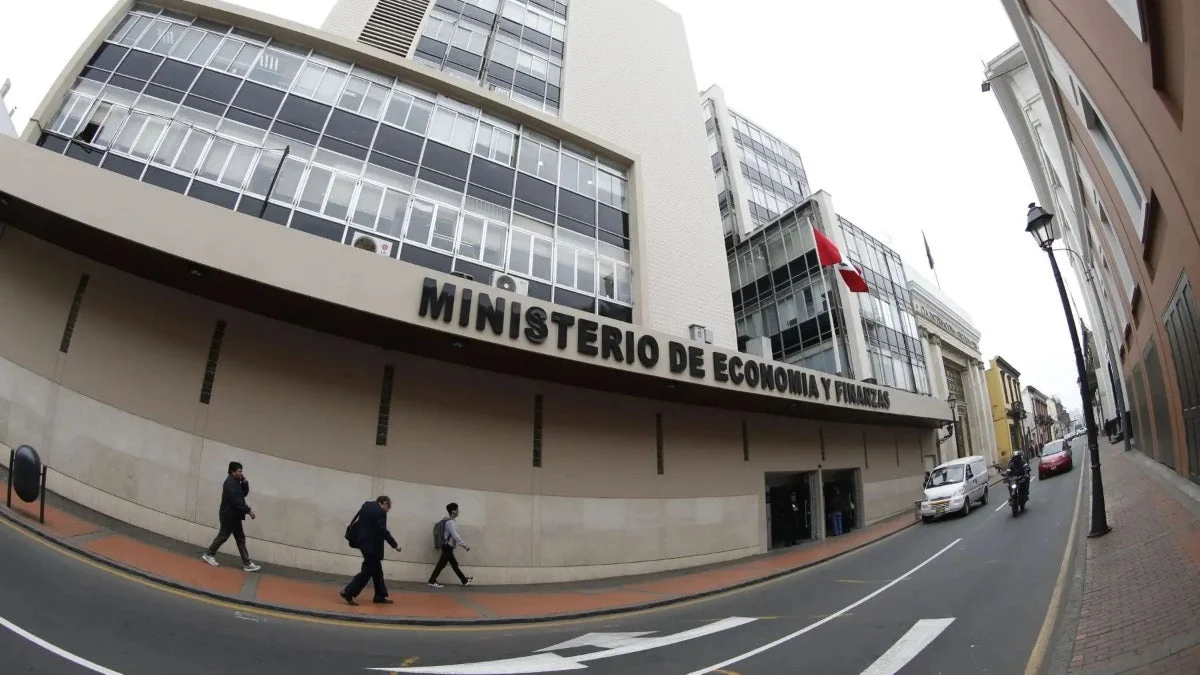
In a strategic shift aimed at revitalizing the national economy, the Peruvian government, under the administration of President Keiko Fujimori, has unveiled a significant proposal to reorganize the country’s calendar of holidays. The initiative, spearheaded by the Minister of Economy and Finance (MEF), Elmer Cuba, seeks to mandate that any national holiday falling between Tuesday and Friday be shifted to the following Monday.
The primary objective of this measure is to eliminate the fragmentation of the work week, which has long been identified as a critical barrier to industrial efficiency and consistent output. By clustering time off, the government hopes to create "long weekends" that act as a catalyst for the tourism and hospitality sectors, while simultaneously safeguarding the continuity of business operations.
The Economic Rationale: Balancing Tourism and Industrial Output
The Confederation of National Private Business Institutions (Confiep), the country’s most influential business lobby, has offered its full endorsement of the plan. Jorge Zapata Ríos, president of the organization, framed the move as a pragmatic solution to a systemic problem.
"Moving holidays to Monday is a positive, common-sense measure," Zapata stated. "It facilitates the creation of long weekends that provide a direct stimulus to tourism, domestic travel, and retail, while significantly reducing the disruptive impact on corporate supply chains and industrial productivity."
The Productivity Challenge
For years, Peruvian policymakers have struggled with low productivity levels—a hurdle that disproportionately affects Small and Medium Enterprises (SMEs). When a holiday falls in the middle of a week, it often results in "bridge days" or operational gaps that force factories to power down and restart, causing inefficiencies. By shifting these days to the start of the week, the government argues that businesses can maintain a more predictable production cycle, allowing for better workforce management and resource allocation.
Chronology of the Proposal
The announcement, delivered by Minister Elmer Cuba during the radio program Enfoque de los Sábados, marks the beginning of a legislative process that is expected to reshape the labor calendar by next year.
- Initial Discussions: Following concerns regarding the cumulative cost of fragmented holidays on the GDP, the MEF began evaluating global models of "flexible holidays."
- The Announcement: Minister Cuba officially presented the proposal, emphasizing that the focus is on protecting the "production chain."
- Legislative Timeline: The government has indicated that the changes are not immediate. The proposal is currently being drafted into formal policy, with an implementation window set for the upcoming calendar year to allow businesses and the tourism sector to adjust their planning accordingly.
- Public Engagement: Following the announcement, the government has entered a phase of public discourse, gauging reactions from various social sectors to refine the final decree.
Supporting Data and Sectoral Impact
The Tourism Multiplier
The tourism sector is expected to be the primary beneficiary of this initiative. Data from the Ministry of Tourism suggests that long weekends significantly increase domestic travel spending. When a holiday is attached to a weekend, families are more likely to book accommodations, visit regional tourist sites, and patronize local restaurants.
Under the current system, mid-week holidays often result in "lost" leisure time, where employees stay home rather than traveling. The government’s model predicts that shifting these days to Mondays will incentivize travel to regions outside of Lima, effectively decentralizing economic growth.
Industrial Efficiency
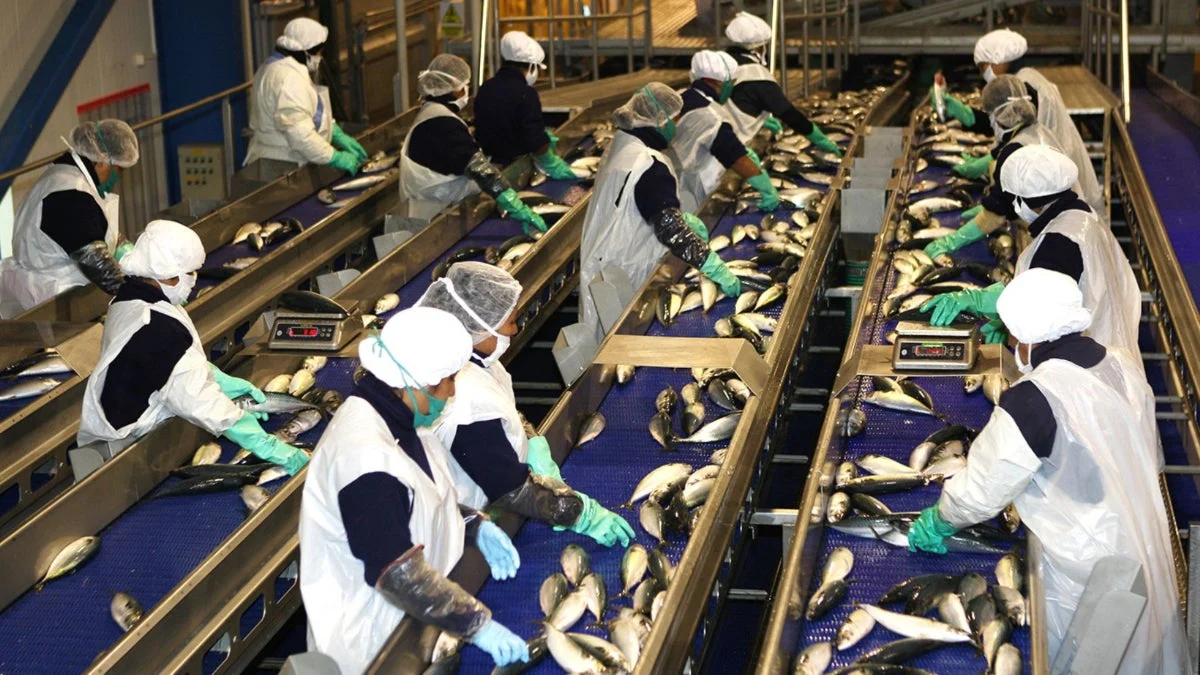
The manufacturing and logistics sectors have historically complained about the "interruptive nature" of random mid-week closures. For a manufacturing plant, a Wednesday holiday often leads to an unproductive Thursday as workers struggle to return to full operational speed. By anchoring holidays to the beginning of the week, the government aims to standardize the work-life balance, allowing for a Tuesday-through-Friday "solid block" of production.
Official Responses and Political Discourse
The proposal has been met with a mix of cautious optimism and skepticism. While the business community sees it as a victory for efficiency, the political landscape remains divided on how to manage the cultural shift.
Minister Elmer Cuba addressed the skeptics during his interview, noting, "There are business activities that naturally occur on Saturdays. The goal is to ensure that we are not slicing the production chain in half. If we move mid-week holidays to Mondays, we protect the momentum of the business week."
Government officials have emphasized that this is not a reduction in the total number of holidays, but rather a "rationalization" of the calendar. By treating the holiday as a scheduled extension of the weekend, the government believes it can reconcile the needs of the workforce—who desire rest—with the needs of the national economy, which requires consistency.
Public Opinion: The Citizen’s Perspective
An RPP investigative team took to the streets of Lima to capture the pulse of the public. The feedback was varied, reflecting the complexity of changing a long-standing national custom.
The Skeptical View
Some citizens expressed concern that the change might actually detract from the value of a holiday. "If the holiday is on a Friday, you are already finishing the week; it’s easier to travel," one commuter noted. "Moving it to a Monday feels like you are just delaying the inevitable return to work, and it might not provide the same relaxation benefit."
The Supportive View
Conversely, others recognized the potential for economic stimulation. A local business owner remarked, "If it helps the tourism sector and creates a concrete plan for families to travel, I am in favor. It brings money into the economy and helps our small businesses."
The "Too Many Holidays" Argument
A recurring theme among those interviewed was the sentiment that the sheer number of holidays in Peru is already excessive. A subset of the population suggested that instead of moving them, the government should simply reduce the total number of non-working days, a point that the government has not yet included in its current reform package.
Implications for the Future
As the government prepares to formalize the policy, several key implications emerge for the future of the Peruvian labor market:
- Standardization of Contracts: Human resources departments across the country will need to review labor agreements to ensure that the shift of holidays is clearly communicated and implemented in accordance with the new legal framework.
- Increased Competition in Tourism: As the predictability of long weekends increases, the tourism industry will likely face a surge in demand. This will necessitate better infrastructure and improved services in secondary tourist destinations.
- Potential for Further Reforms: If this measure succeeds in boosting productivity, it may pave the way for other labor market reforms intended to modernize the Peruvian economy and increase its competitiveness on the global stage.
Conclusion
The decision to transition mid-week holidays to Mondays represents a bold step toward economic modernization. By prioritizing the stability of the production cycle and incentivizing domestic tourism, the Fujimori administration is attempting to solve a chronic efficiency deficit in the Peruvian economy.
While the debate between personal convenience and national productivity will undoubtedly continue, the shift signals a transition toward a more structured, results-oriented calendar. As the country approaches the next year, all eyes will be on the MEF to see how this transition is managed and whether it truly delivers the boost in productivity that the business sector and the government expect. The success of this policy will ultimately be measured by its ability to balance the tangible needs of the labor force with the macro-economic imperative of keeping the "engine of the nation" running without interruption.