By ProActivo Editorial Staff
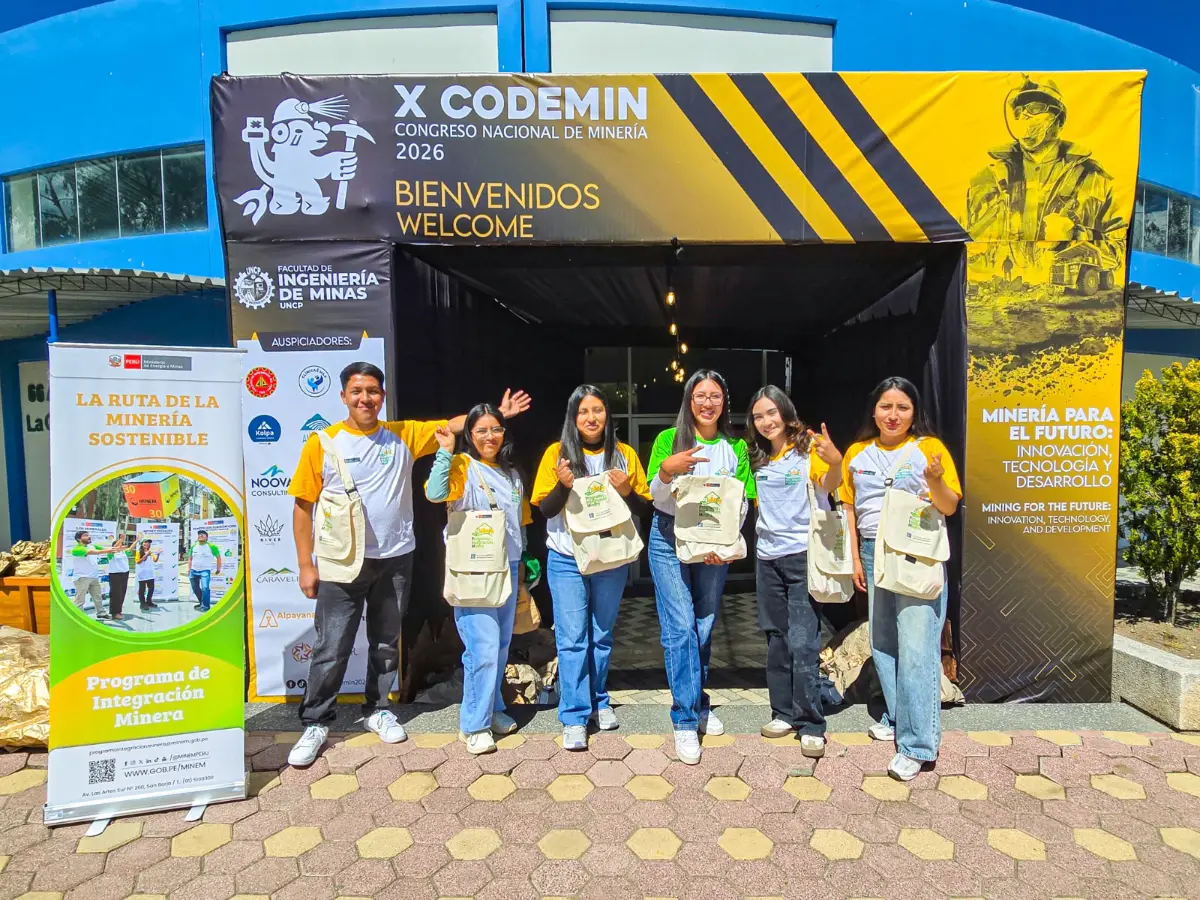
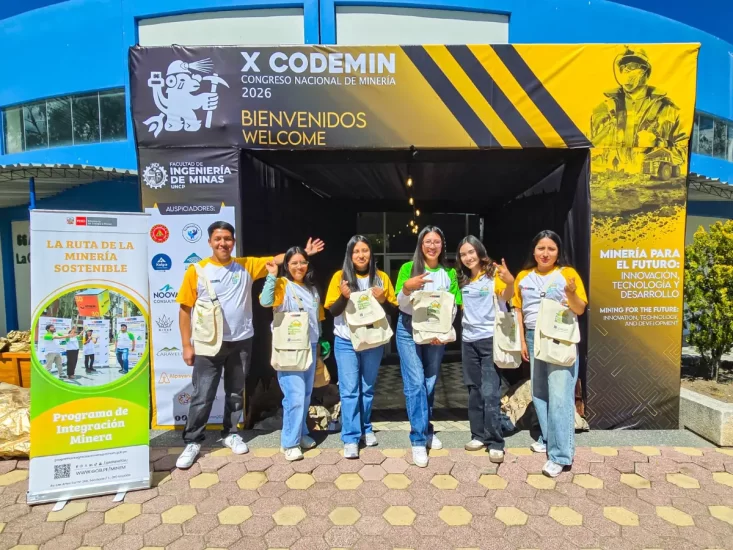
In a pivotal effort to bridge the gap between academic theory and industrial practice, the Peruvian Ministry of Energy and Mines (MINEM) successfully concluded a two-day educational initiative at the National University of the Center of Peru (UNCP). Titled "The Route of Sustainable Mining" (La Ruta de la Minería Sostenible), the program engaged over 300 students, faculty, and administrative staff, fostering a critical dialogue on the evolution of the mining sector toward environmental stewardship and social responsibility.
The event, which took place within the vibrant context of the X National Congress of Mining (CODEMIN 2026), served as a cornerstone for training the next generation of engineers and professionals who will eventually lead one of Peru’s most vital economic engines.
The Core Objective: Redefining Mining for the Modern Era
The primary mission of "The Route of Sustainable Mining" is to demystify the complexities of the modern mining industry. By moving away from traditional, extractive-only narratives, the initiative highlights the integration of circular economy principles, the adoption of renewable energy sources, and the rigorous minimization of environmental footprints.
The Ministry’s strategy is rooted in the belief that sustainability is not merely an optional corporate social responsibility (CSR) goal, but a fundamental requirement for the viability of the Peruvian mining sector. Through interactive workshops, didactic exhibitions, and direct engagement with industry experts from the General Directorate of Mining Promotion and Sustainability (DGPSM), the event transformed abstract policy into tangible, actionable knowledge.
Chronology of the Event: A Two-Day Immersive Experience
The initiative was meticulously structured to maximize engagement across the university campus, utilizing the Integration Park of the UNCP as a hub for innovation and scientific exchange.
Day One: Launching the Dialogue
On July 8, 2026, the program kicked off with an impressive turnout of 129 participants. The inaugural sessions were facilitated by a dedicated team of six promoters from the Mining Integration Program (PIM). These promoters, having undergone rigorous training, acted as mentors and guides, facilitating discussions that covered everything from mineral extraction technologies to the socio-economic impacts of mining on local communities.

Day Two: Scaling the Impact
The momentum carried into the second day, which saw a significant increase in participation. A total of 212 attendees engaged with the program, supported by an expanded team of seven PIM promoters and a lead representative from the student organization. This session focused heavily on the practical application of green technologies, exploring how the sector is transitioning toward carbon-neutral operations and the digitalization of mine management.
Supporting Data and The PIM Framework
The success of this initiative is inextricably linked to the PIM framework—a specialized program designed by the MINEM to act as a bridge between the state and the youth.
- Participation Metrics: A combined total of over 340 direct interactions occurred over 48 hours, highlighting a deep-seated interest among university students in sustainable development.
- Knowledge Transfer: The event relied on a "peer-to-peer" education model. By utilizing trained student promoters, the ministry ensured that the technical information was communicated in a language that resonated with the university community, breaking down the traditional hierarchy of technical information.
- Thematic Focus: Discussions were categorized into three primary pillars:
- Socio-economic Welfare: How mining projects catalyze regional growth, infrastructure development, and local employment.
- Environmental Stewardship: Implementing "Zero Waste" policies and biodiversity protection protocols in mining zones.
- Technological Innovation: The integration of renewable energy grids (solar/wind) into mining operations to replace reliance on fossil fuels.
Official Perspectives: The Vision for a Sustainable Future
The leadership at the MINEM has been vocal about the importance of these outreach programs. Esperanza Molla, the Director of the Directorate of Mining Promotion and Sustainability (DSAM), emphasized that the campaign is designed to demonstrate that the mining sector is a proactive agent of change.
"The campaign seeks to demonstrate the socio-economic and environmental benefits of a mining industry that, beyond generating resources, is fully committed to sustainability," Molla stated during her address. "We are championing the use of renewable energies and the rigorous application of circular economy principles to ensure that the environmental impact is reduced to the absolute minimum."
Molla further noted that the "protagonists of these spaces are the PIM promoters, the student leaders, and the representatives of the various associations." By empowering these groups, the ministry is not just hosting an event; it is cultivating a community of advocates who will carry the message of responsible mining into their professional careers.
Implications: Building a Resilient Mining Ecosystem
The implications of the "Route of Sustainable Mining" extend far beyond the UNCP campus. As Peru faces global pressure to ensure that its mineral supply chain—crucial for the global transition to electric vehicles and green energy—is ethically and environmentally sound, initiatives like these serve as a strategic safeguard.
1. Strengthening the Social License to Operate
One of the greatest challenges for the mining industry in Peru is maintaining the "social license" to operate within local territories. By educating the next generation of leaders—many of whom come from mining-impacted regions—the MINEM is fostering a more informed populace. This, in turn, reduces the potential for future conflict by creating a foundation of understanding regarding the regulatory and environmental controls in place.
2. Preparing the Workforce for Industry 4.0
The mining industry is undergoing a digital and environmental transformation. The UNCP students who participated in this program are now better equipped to understand the demands of "Mining 4.0," which requires a deep understanding of data analytics, sustainable engineering, and environmental impact assessment.
3. Promoting National Policy Consistency
By aligning the university curriculum with the Ministry’s sustainability goals, the government is ensuring that there is a consistent pipeline of human capital capable of implementing national sustainability mandates. This ensures that the regulatory framework for mining is not just enforced from the top down, but supported by a skilled workforce that understands the why behind the regulations.
Conclusion: A New Standard for Mining Education
The successful execution of "The Route of Sustainable Mining" at the UNCP marks a significant milestone in the MINEM’s outreach strategy. By combining the intellectual rigor of the CODEMIN 2026 congress with the grassroots engagement of the PIM program, the ministry has created a blueprint for how to engage the academic sector effectively.
As the industry continues to evolve, the demand for "green minerals" will only grow. Peru’s ability to meet this demand—while simultaneously preserving its unique biodiversity and promoting social equity—will depend largely on the professionals currently walking through university halls.
Through this initiative, the Ministry of Energy and Mines has demonstrated that it is not merely managing a resource; it is managing a legacy. By investing in the youth of today, they are ensuring that the mining sector of tomorrow remains a pillar of national development, defined not by the volume of its extraction, but by the quality of its sustainability and its commitment to a better future for all Peruvians.
As the "Route" continues to move across the country, it leaves behind a more informed community and a strengthened connection between the government, the academy, and the industry—a triad essential for the continued success of the Peruvian mining miracle.