The landscape of regional connectivity in Paraguay is undergoing a significant transformation. As of the end of September 2026, the ambitious maintenance and rehabilitation project on Route PY08—a vital artery connecting the productive heart of the San Pedro department—has reached a notable milestone, achieving a 47.46% completion rate. This strategic infrastructure initiative, overseen by the Ministry of Public Works and Communications (MOPC), is designed to revitalize 151 kilometers of roadway, ultimately serving as a catalyst for economic growth and improved quality of life for over 150,000 citizens.
Main Facts: A Strategic Intervention
The project focuses on the segment spanning from Calle 6000 to Azotey, traversing one of Paraguay’s most significant agricultural and commercial zones. The MOPC’s comprehensive intervention is not merely a superficial repair; it is a structural reinforcement of a critical corridor that links key municipalities, including Lima, Santa Rosa del Aguaray, General Resquín, Liberación, and Guajayví.
The technical specifications of the project are rigorous. The rehabilitation includes deep and superficial patching to address years of wear, the precision milling of deteriorated pavement, and the application of a new 6-centimeter-thick asphalt layer designed to withstand heavy freight traffic. Furthermore, the work encompasses the sealing of cracks to prevent water infiltration—a common cause of road degradation—and an extensive cleaning of the road’s right-of-way to ensure safety and drainage efficiency.
Chronology: Progress Through 2026
The timeline of this project reflects a steady, systematic approach to infrastructure management. While initial planning and bidding processes set the stage in early 2026, the most substantial physical progress was recorded during the third quarter. By the close of September 2026, the nearly 48% progress milestone confirmed that the project remains firmly on schedule.
Looking ahead, the final quarter of 2026 is slated for the crucial implementation of safety infrastructure. This phase will see the installation of comprehensive horizontal and vertical signaling, including reflective studs, which are essential for navigating the route during low-visibility conditions. By integrating these safety elements, the MOPC aims to reduce the accident rate and provide a safer environment for both long-haul logistics and local commuting.

Supporting Data: Impact and Reach
The significance of Route PY08 cannot be overstated. It acts as a primary conduit for the transit of agricultural products—the backbone of the Paraguayan economy—toward Asunción and other major national distribution hubs. The maintenance of this 151-kilometer stretch is not just an engineering task; it is an economic imperative.
Data indicates that the improvements will benefit approximately 150,000 residents directly. These individuals rely on the road not only for the transport of goods but also for accessing essential services such as healthcare, education, and government institutions located in the regional centers of San Pedro. The efficiency gained by reducing transit times and vehicle wear-and-tear will have a multiplier effect on the local economy, potentially lowering the costs of logistics for local producers and ensuring that perishable goods reach markets in optimal condition.
Official Responses and Safety Directives
The MOPC has been proactive in communicating with the public regarding the ongoing construction. In an official statement, the ministry emphasized that while the improvements are necessary, they require a high degree of cooperation from the public.
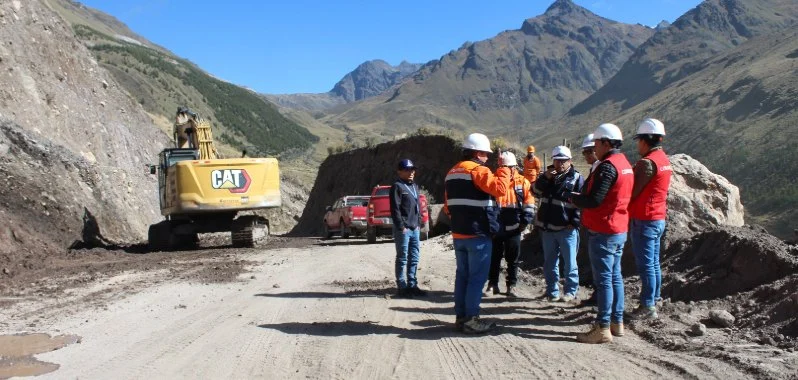
"We are committed to delivering a road network that meets the demands of modern logistics and public safety," a spokesperson for the MOPC noted. However, the ministry issued a strict advisory: drivers and pedestrians must adhere to all traffic signals and speed limits established within the construction zones. The presence of heavy machinery and specialized workers necessitates a high level of vigilance. The ministry has underscored that respecting the directives of traffic personnel is non-negotiable, as human life remains the highest priority throughout the execution of these civil works.
Implications for Regional Development
The project, being executed by the construction firm TOCSA, is a cornerstone of the national program for the maintenance of the country’s vial network. The implications for the San Pedro department are profound. Historically, maintenance deficits in rural road networks have been a bottleneck for development in Paraguay. By systematically addressing the deterioration of Route PY08, the state is effectively signaling its commitment to decentralized economic growth.

A Holistic View of Connectivity
The rehabilitation of this route is part of a broader strategy. Beyond the asphalt, the project represents an investment in the social fabric of the five districts involved. Improved connectivity implies:
- Reduced Logistical Costs: Faster travel times for cargo trucks mean lower fuel consumption and maintenance costs for transport companies, which in turn stabilizes the prices of goods.
- Emergency Response Efficiency: In cases of medical or civil emergencies, the quality of the road surface determines the response time for ambulances and fire services.
- Integration of Rural Communities: By bridging the distance between smaller towns and urban centers, the government is providing rural populations with better access to regional markets and specialized services.
Technical Excellence and Sustainability
The choice of a 6-centimeter asphalt layer is a deliberate technical decision aimed at long-term sustainability. Given the climatic variations in Paraguay, which can fluctuate between intense heat and heavy rainfall, the durability of the road surface is under constant threat. By utilizing modern engineering standards—including the thorough sealing of fissures—the MOPC and TOCSA are extending the lifecycle of the road, thereby ensuring that taxpayer funds are utilized efficiently with long-term cost-avoidance in mind.
Challenges and Future Outlook
Despite the optimistic progress reports, infrastructure projects of this magnitude are not without their challenges. Weather conditions in the San Pedro region can often delay work, and the complexity of managing traffic on a major national route while construction is ongoing requires meticulous logistical planning.
TOCSA’s management of the project has been under close observation, with weekly progress meetings ensuring that the technical requirements are met. The collaborative effort between the private sector contractor and the public ministry serves as a model for future infrastructure projects in the country.
As 2026 draws to a close, the stakeholders are focused on the final stretch. The completion of the signaling and the final touches on the roadway will mark the end of the current intervention phase, but it also signals a new chapter for the department of San Pedro. The expectation is that once the project is fully finalized, the region will experience a surge in commercial activity, fueled by the reliability of its transportation infrastructure.

Conclusion
The maintenance of Route PY08 is a quintessential example of how targeted public works can stimulate national progress. With nearly half of the work already behind them, the MOPC and the construction team are well-positioned to deliver a revitalized corridor that will serve the needs of the San Pedro population for years to come.
By prioritizing safety, technical precision, and strategic connectivity, the Paraguayan government is taking a concrete step toward building a more robust and efficient logistics network. As the project enters its final phase of signaling and safety implementation, the focus remains clear: providing a secure and reliable thoroughfare that fosters prosperity, connects communities, and drives the regional economy forward. For the 150,000 residents of the area, the completion of this project is not just about road repairs—it is about the promise of a more connected and accessible future.