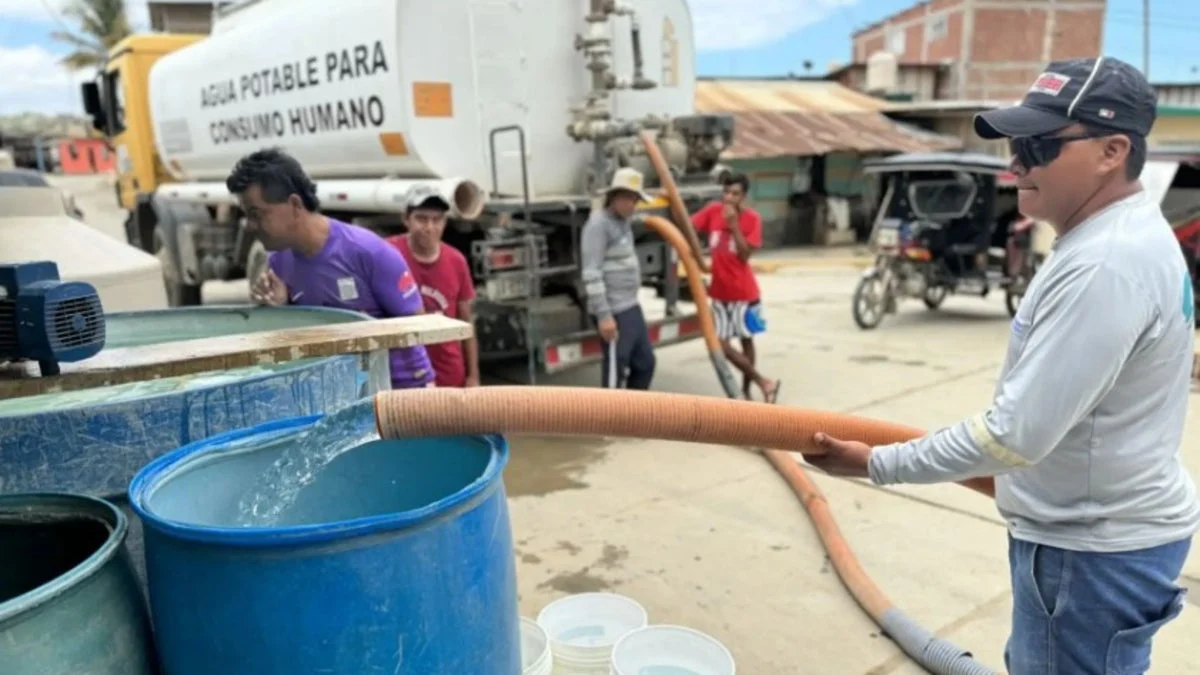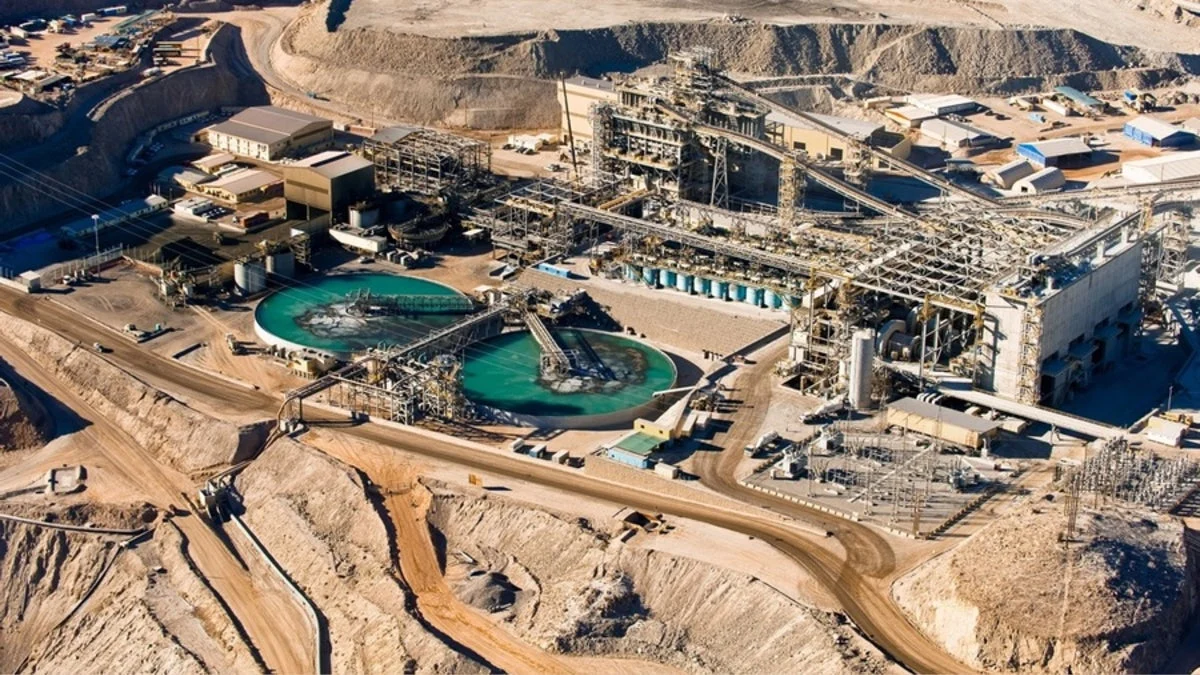
Arequipa, Peru – In a move aimed at securing the long-term water resilience of one of Peru’s most vital economic hubs, the mining company Sociedad Minera Cerro Verde is spearheading a series of critical infrastructure projects. Designed to safeguard the potable water supply against the intensifying threats posed by the El Niño phenomenon and seasonal heavy rainfall, these initiatives represent a proactive approach to regional climate adaptation.
Julia Torreblanca, Vice President of Corporate Affairs at Cerro Verde and a key representative of the National Society of Mining, Petroleum, and Energy (SNMPE), confirmed that the company is currently in the advanced stages of planning and executing key works. These projects are not merely technical upgrades; they are essential components of a broader commitment to sustainable development in the Arequipa region.
Main Facts: A Proactive Defense Against Climate Change
The core of this initiative lies in the protection of Arequipa’s water infrastructure, which has historically proven vulnerable to the extreme weather patterns associated with El Niño. As global climate conditions shift, the frequency and intensity of heavy rainfall and subsequent river flooding pose a direct risk to the municipal water supply managed by the Servicio de Agua Potable y Alcantarillado de Arequipa (Sedapar).
"The projects currently being prioritized are intrinsically linked to the El Niño phenomenon," Torreblanca stated during the Perú Sostenible 2026 forum. "Our objective is to ensure that critical potable water infrastructure, which traditionally suffers during the rainy season, is reinforced and protected, thereby guaranteeing the continuity of service for the residents of Arequipa."
The investment is part of a US$110 million financial commitment pledged by Cerro Verde to support water and sanitation infrastructure. By integrating these protective measures, the company aims to mitigate the risk of service interruptions that often plague the city when heavy rainfall exceeds the capacity of current drainage and treatment systems.
Chronology: From Cooperation to Long-Term Vision
The partnership between Cerro Verde and Sedapar has evolved significantly over the past decade, moving from localized support to a comprehensive, long-term strategic alliance.
- Initial Cooperation: The groundwork for the current investment was laid through an initial agreement aimed at optimizing water use and improving sanitation coverage in Arequipa.
- Expansion of Operations: As Cerro Verde announced its long-term operational expansion—a massive project valued at over US$2.1 billion—the need for a robust water management system became even more apparent. This expansion is designed to extend the mine’s operational lifespan through 2053.
- The 2026 Milestone: Currently, the company is in the process of updating project files and conducting detailed field visits to ensure that the infrastructure reinforcements are aligned with the most recent hydrological and geological assessments.
- Future Horizon: A major breakthrough in the partnership is the extension of the cooperation agreement with Sedapar until 2060, or until the formal closure of Cerro Verde’s operations, whichever occurs later. This longevity provides a stable framework for large-scale engineering projects that require decades of maintenance and oversight.
Supporting Data: The Scale of Investment and Infrastructure
The scale of Cerro Verde’s contribution to Arequipa’s water infrastructure is substantial. Beyond the US$110 million dedicated to general water and sanitation projects, the flagship of this strategy is the expansion of the La Enlozada Wastewater Treatment Plant.
The Significance of La Enlozada
La Enlozada is more than just a waste treatment facility; it is a pillar of the circular economy in the mining sector. By treating the city’s wastewater, the plant enables the reuse of water for industrial purposes, significantly reducing the company’s draw on fresh water sources that would otherwise be reserved for human consumption and agricultural use.
"The most important milestone is the expansion of the wastewater treatment plant," Torreblanca explained. "As Arequipa continues to grow in population, the volume of sewage increases. Our expansion ensures that we can treat a greater percentage of the city’s wastewater, supporting the city’s urban expansion while maintaining the efficiency of our own water cycle."
A Phased Economic Strategy
Torreblanca emphasized that this US$110 million commitment is not a singular, lump-sum expenditure. Rather, it is a phased investment strategy. "We need permits before we can proceed, and these are being obtained gradually," she noted. "This is not an investment that can be made all at once; it requires careful planning, engineering rigor, and regulatory compliance to ensure every dollar is spent effectively."
Official Responses and Strategic Rationale
The leadership at Cerro Verde, through figures like Torreblanca, has consistently maintained that the company’s role in Arequipa extends beyond extraction. By investing in regional water security, the company is effectively lowering its own operational risk while bolstering the public’s trust.
The strategy is viewed by industry analysts as a model for "social license to operate." By aligning the company’s operational needs (water for processing copper) with the city’s essential needs (sanitation and clean water), Cerro Verde has created a symbiotic relationship that shields the local population from climate-related infrastructure failure.
During the Perú Sostenible 2026 event, stakeholders highlighted that the collaboration with Sedapar serves as a blueprint for how large mining corporations can contribute to the development of public services without overstepping the bounds of private enterprise. The focus remains on technical expertise and financial support, leaving the management of the water distribution system in the hands of the municipal utility.
Implications: The Long-Term Impact on Arequipa
The ramifications of these projects are profound for the Arequipa region.
1. Climate Resilience
As El Niño patterns become more unpredictable, the structural hardening of water systems is a necessity rather than a luxury. The projects supported by Cerro Verde will likely reduce the frequency of "boil water" advisories and service outages that occur when sediment-heavy runoff enters the municipal supply lines.
2. Economic Stability
A stable water supply is the lifeblood of Arequipa’s economy, supporting both agriculture and urban commerce. By ensuring that the city’s water infrastructure remains operational during climate emergencies, Cerro Verde is helping to insulate the local economy from the shocks that typically accompany extreme weather events.
3. Sustainable Mining and Public Trust
The extension of the agreement until 2060 signals a profound commitment to the region. It ensures that the company will remain a stakeholder in the city’s wellbeing for the next four decades. This longevity helps dispel fears regarding the finite nature of mining, as the infrastructure left behind—such as the expanded La Enlozada plant—will continue to serve the people of Arequipa long after the last copper ore is extracted.
4. Regulatory and Logistical Challenges
While the vision is clear, the path forward is complex. The necessity of securing permits and coordinating with various government agencies means that progress is contingent on a streamlined bureaucratic process. Torreblanca’s mention of the "gradual" nature of the investment highlights the importance of institutional patience and consistent communication between the private sector and municipal authorities.
Conclusion
The efforts being undertaken by Cerro Verde to protect Arequipa’s water infrastructure serve as a testament to the evolving role of the mining industry in the 21st century. By prioritizing climate resilience and sanitation, the company is not only protecting its own operational future but is also providing a vital service to the residents of Arequipa.
As the city faces the twin challenges of urban population growth and climate instability, these infrastructure projects offer a pragmatic, engineering-led solution. With the extension of the Sedapar agreement and a clear roadmap for the expansion of the La Enlozada plant, Arequipa is better positioned to face the environmental uncertainties of the future. The project stands as a clear example of how private capital, when directed toward public infrastructure, can foster long-term stability and sustainable development for an entire region.