Executive Summary: A Stagnant Reality Beneath the Surface
In the complex landscape of Peruvian socio-economic development, a new report by the Centro de Análisis y Monitoreo de la Información del Agua Potable (Cami Yaku), a division of the Superintendencia Nacional de Servicios de Saneamiento (Sunass), has challenged the conventional narrative of progress. While the country’s multidimensional poverty rate showed a statistical decline from 44.4% in 2024 to 39.7% in 2025, the underlying reality for millions remains grim.
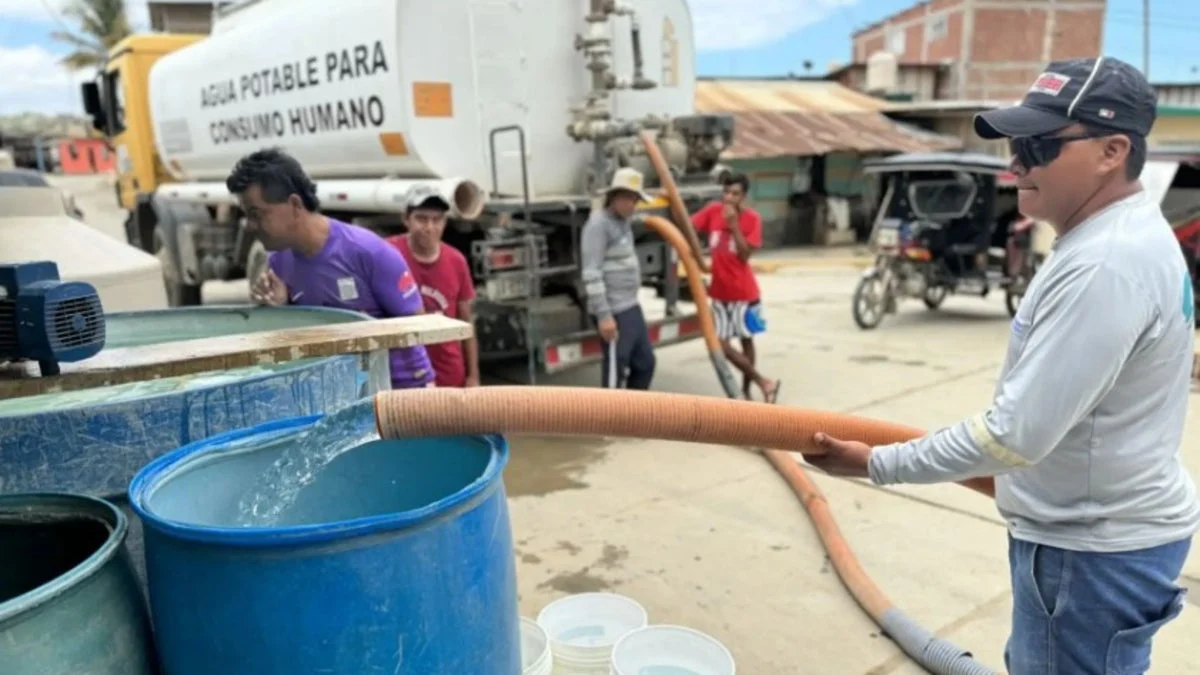
The data reveals a critical disconnect: climbing above the "monetary poverty" line—the standard metric of income-based wealth—does not equate to a dignified life. A staggering 2.6 million Peruvians, officially classified as "non-poor" by income, still lack access to basic potable water. This disconnect highlights that poverty in Peru is not merely a shortage of cash, but a profound deprivation of essential services that prevent families from escaping the cycle of vulnerability.
Chronology: The Evolution of Poverty Metrics (2024–2025)
To understand the current crisis, one must track how the state has measured welfare over the last 24 months.
- Early 2024: The government reported high levels of multidimensional poverty (44.4%), reflecting a post-pandemic struggle where infrastructure gaps—specifically water and sanitation—remained the primary anchors holding back human development.
- Late 2024: National economic indicators suggested a stabilization in household income, leading to a marginal decrease in the "monetary poverty" rate (25.7%). However, this shift failed to translate into infrastructure improvements.
- Early 2025: Sunass released the current comprehensive study. The headline figure (39.7%) suggests a downward trend in multidimensional poverty. Yet, the report highlights a sobering nuance: the "improvement" observed was almost exclusively among households that were already hovering just below the poverty threshold.
- Present Day: The "hardcore" poor—those suffering from simultaneous, multiple deprivations—have seen no meaningful improvement in their living conditions. The gap between those who are "economically viable" and those who are "socially excluded" has widened, creating a two-tiered society.
Supporting Data: The Water-Poverty Nexus
The Cami Yaku study provides an empirical breakdown of why water is the single most significant predictor of poverty in Peru.
The Probability Paradox
The data offers a clear causal link between infrastructure and poverty status:
- With Access: A household with consistent access to potable water has a 32.5% probability of being multidimensionally poor.
- Without Access: The probability skyrockets to 69.3% for those living without the service.
Even when excluding the "water access" metric from the index, the correlation remains undeniable. The study demonstrates that access to water acts as a multiplier for economic mobility, reducing the probability of being monetarily poor by 11.6 percentage points.
The Potential Impact of Universalization
Sunass conducted a simulation exercise to determine what would happen if the state successfully closed the water and sanitation gap. The findings are a clarion call for policy reform:
- National Impact: Achieving universal water access alone would drop multidimensional poverty by 1.46 percentage points.
- Integrated Solution: If both water and sanitation gaps were closed simultaneously, the national poverty rate would plummet from 39.7% to 34%—a total reduction of 5.66 percentage points.
- Rural Disparities: The most profound impact would be felt in the rural highlands and jungle regions, where poverty could drop from 78.9% to 69.9%—a reduction of over 9 percentage points.
These figures illustrate that infrastructure is not just a utility; it is a fundamental tool for poverty alleviation that far outweighs the impact of traditional cash-transfer programs.
Official Responses and the Challenge of Governance
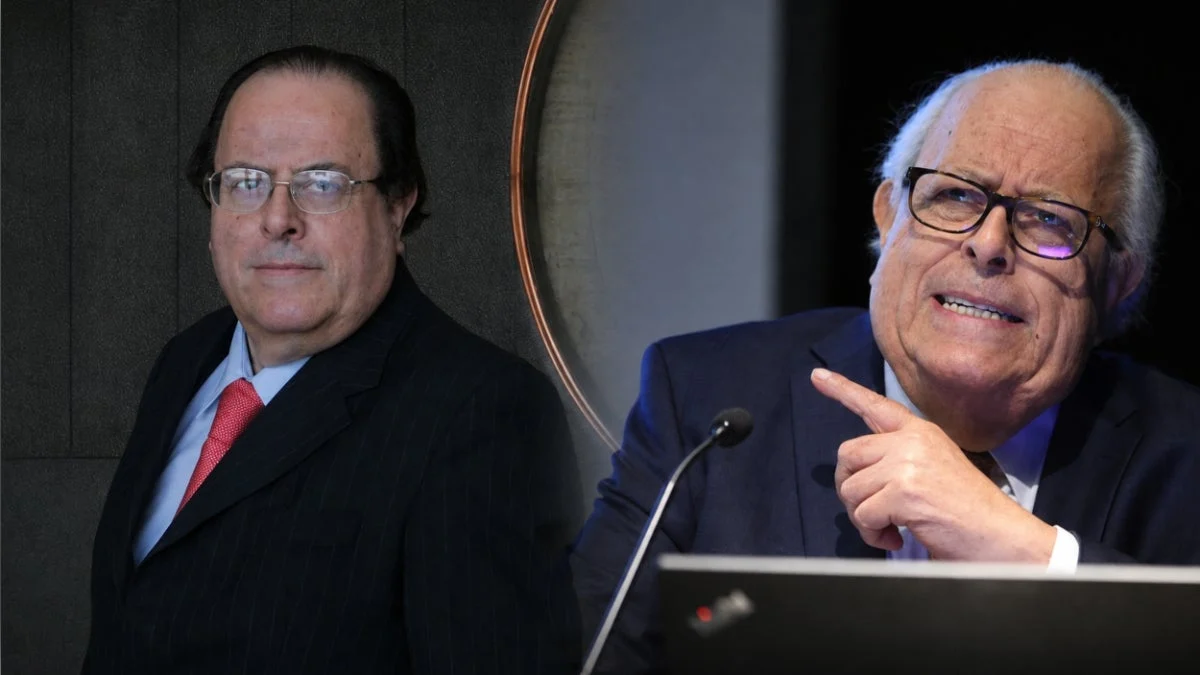
Mauro Gutiérrez, president of Sunass, has been vocal about the systemic barriers preventing the closure of these gaps. His assessment highlights a clash between geography, urbanization, and fiscal reality.
The Myth of Linear Investment
Critics often ask why, despite years of investment, the water gap remains stagnant. Gutiérrez identifies three primary culprits:
- Demographic Asymmetry: While populations are thinning out in parts of the Sierra and Amazonia, they are surging in the coastal cities. This rapid, often unplanned urban migration forces infrastructure to constantly play catch-up.
- The Cost of "Upward" Expansion: In many peri-urban areas, homes are built on high-altitude slopes. Expanding pipes to these areas is prohibitively expensive, with single connections sometimes costing the state upwards of S/90,000 due to the need for high-pressure pumping stations and the necessity of blasting through solid rock.
- Urban Disorder: Gutiérrez points to the lack of "territorial ordering." When cities grow without planning, the cost of installing utilities becomes exponentially higher. He argues that densifying existing, planned urban zones is significantly more cost-effective than attempting to provide utilities to sprawling, informal hillside settlements.
The Quality Gap
Beyond mere connectivity, there is the issue of "safe" water. Between 2024 and 2025, the percentage of the population lacking access to safe water only moved from 72.7% to 70.7%. This indicates that even when infrastructure is present, the quality and consistency of the service remain substandard. Providing a pipe is not the same as providing a reliable, clean, and sustainable utility.
Implications: A New Framework for Policy
The Sunass study forces a pivot in how Peru must approach development. If 2.6 million people are "non-poor" by income but remain trapped in "multidimensional poverty," then the government’s focus on GDP growth as the primary indicator of well-being is insufficient.
1. Moving Beyond Monetary Metrics
Public policy must shift from a focus on income thresholds to a focus on service accessibility. Programs that merely provide subsidies may lift a household above a monetary line, but they do nothing to address the "hidden" costs of poverty—such as the time spent hauling water, the health costs of waterborne diseases, and the loss of educational opportunities for children in households without basic services.
2. Territorial Planning as Social Policy
The findings suggest that the Ministry of Housing, Construction, and Sanitation must work in tandem with regional and municipal planners. Without strict enforcement of urban growth boundaries, the cost of universalizing water access will continue to outpace the national budget. The "S/90,000 per connection" statistic is a warning that unmanaged urban sprawl is a direct contributor to fiscal instability and, by extension, continued poverty.
3. The Need for "Safe" Connectivity
The marginal improvement in water safety (a mere 2% change in one year) suggests that the current investment model—focused heavily on construction—needs to be matched by an investment in maintenance, water treatment, and regulatory oversight. Access is the first step, but "safe" access is the only step that produces a measurable reduction in multidimensional poverty.
Conclusion
The data from Sunass is a sobering reminder that economic statistics can often obscure the harsh reality of daily life. While Peru has made progress in its macroeconomic indicators, it has yet to conquer the fundamental barrier of the 21st century: the right to basic, safe, and reliable infrastructure. Until the state aligns its urban planning with its social goals, millions will remain in a state of "poverty of conditions," where their income levels might suggest progress, but their quality of life tells a different, more stagnant story.
The path to 34% multidimensional poverty is clear, but it requires a fundamental shift: viewing water and sanitation not as mere public works, but as the bedrock of a modern, equitable Peruvian state.