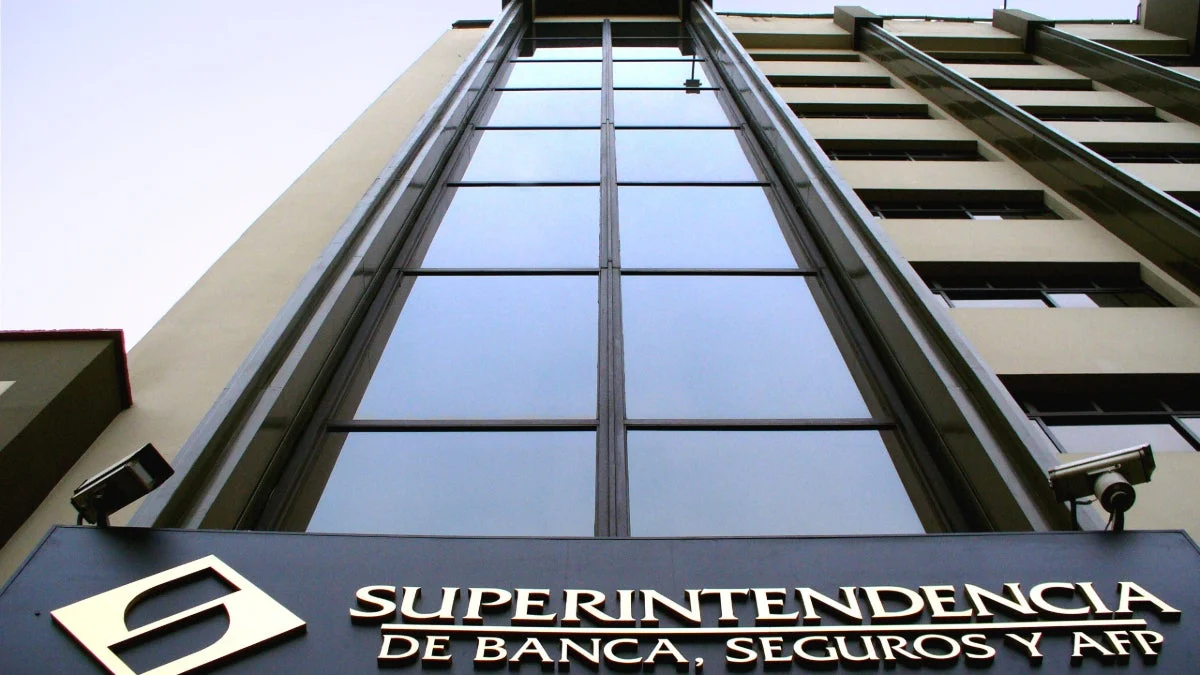
In a decisive move to protect the integrity of the Peruvian financial system and safeguard the assets of unsuspecting citizens, the Superintendency of Banking, Insurance, and Private Pension Funds (SBS) has executed the closure of a clandestine financial operation in the heart of San Isidro. The entities involved, operating under the trade names "Yonda" and "Osma Perú," were found to be engaged in the unauthorized solicitation of public funds, effectively running an illicit shadow banking operation that flagrantly ignored previous regulatory warnings.
The SBS, acting as the primary watchdog for financial stability in Peru, has now escalated the matter beyond administrative sanctions. The regulatory body has officially filed a criminal complaint with the Public Prosecutor’s Office (Ministerio Público), targeting the representatives of both companies for their continued defiance of the law. This incident serves as a stark reminder of the risks associated with "get-rich-quick" investment schemes that operate outside the purview of formal oversight.
The Mechanism of Deception: How the Scheme Operated
According to the investigation conducted by the SBS, the nexus between Yonda and Osma Perú was designed to create a veneer of legitimacy while bypassing the stringent regulations imposed by the General Law of the Financial System (Law No. 26702).
The "Mutuo" Contract Trap
At the core of their business model were so-called "mutuo" (loan) contracts. These agreements promised investors—or, more accurately, depositors—a fixed monthly interest rate in exchange for their capital. The companies assured participants that their principal investment would be returned in full upon the expiration of the contract. By framing these deposits as private loan agreements, the operators attempted to skirt the legal definition of financial intermediation, which strictly prohibits any entity from capturing public funds without explicit authorization from the SBS.
The Referral Ecosystem
The operational structure was notably sophisticated for a shadow entity. Osma Perú functioned primarily as a lead-generation hub, actively soliciting clients and directing them toward Yonda. Once a prospective "investor" was secured, Osma Perú would receive a commission for the referral, while Yonda assumed the role of the entity receiving the actual cash flow. By operating out of the same physical office in San Isidro, the two companies maintained a tightly integrated, yet legally opaque, funnel that allowed them to scale their operations quickly while obfuscating the flow of money.
Chronology of Non-Compliance
The closure of the San Isidro premises was not an impulsive act by the SBS; rather, it was the culmination of a protracted struggle against willful non-compliance.
- Initial Discovery: The SBS financial intelligence units identified irregularities in the operations of Yonda and Osma Perú, noting that they were soliciting money from the public without the requisite banking license.
- The Cease and Desist: Upon verification of these activities, the SBS issued formal administrative orders to both entities, requiring them to immediately halt all financial intermediation operations.
- Persistent Defiance: Despite these direct orders, monitoring efforts by the regulator confirmed that both companies continued to operate. They ignored the regulatory mandate, continuing to receive money from the public and offering high, unsustainable interest rates to entice new capital.
- The Final Intervention: Faced with blatant disobedience, the SBS exercised its authority to physically close the premises. This action was taken not only to stop the flow of funds into the illicit scheme but also to preserve evidence for the ongoing criminal investigation.
Supporting Data and Regulatory Implications
The illegal activity conducted by Yonda and Osma Perú constitutes a direct violation of Law No. 26702. This law is the bedrock of the Peruvian financial sector, establishing that the business of capturing money from the public is a reserved activity that requires a high level of capitalization, rigorous transparency, and constant oversight.
The Dangers of Informal Finance
The primary danger of schemes like the one orchestrated by Yonda and Osma is the lack of a "safety net." Authorized financial institutions in Peru are subject to:
- The Deposit Insurance Fund (FSD): A protection mechanism that guarantees savings in case of institutional failure.
- Regular Audits: External and internal oversight that ensures liquidity ratios are maintained.
- Transparency Requirements: Public disclosure of financial health, allowing investors to make informed decisions.
By contrast, entities like those closed in San Isidro operate in a "black box." When these schemes inevitably collapse—usually when the flow of new investors slows—the organizers often vanish, leaving no legal recourse for those who deposited their life savings.
The Legal Aftermath: Criminal Charges
The SBS has not stopped at the closure of the office. By filing a criminal complaint with the Public Prosecutor’s Office, the regulator is seeking to hold the individual representatives of Yonda and Osma accountable for two major offenses:
- Unauthorized Financial Intermediation: This is a serious crime under the Peruvian penal code, as it undermines the stability of the entire national financial system and puts the savings of the populace at risk.
- Disobedience and Resistance to Authority: This charge stems from the fact that the companies were explicitly ordered to stop their activities but chose to ignore the regulator, continuing to deceive the public even after being served with official notifications.
If convicted, the individuals responsible face significant prison time, a measure that the SBS hopes will act as a deterrent to other similar "fly-by-night" operations currently operating in the shadows.
Official Stance and Recommendations to the Public
The SBS has reiterated its commitment to cracking down on financial informality. In a public statement following the operation, a spokesperson for the Superintendency emphasized that the fight against these entities is a top priority. "The Superintendency will continue to deploy resources to identify and neutralize entities that operate outside the law," the statement read.
Protecting Your Savings: A Guide for Investors
The SBS has issued a strong advisory to the public, urging caution before handing over money to any investment scheme. To protect themselves, citizens are advised to:
- Check the SBS Registry: Always verify if an institution is listed on the official SBS website as an authorized financial institution.
- Beware of "Too Good to Be True" Offers: If an investment promises high, fixed, and guaranteed interest rates that are significantly higher than market averages, it is a major red flag.
- Demand Documentation: Legitimate institutions provide clear, regulated contracts and are transparent about the risks involved. Avoid any entity that relies on informal "mutuo" contracts or oral promises.
- Report Suspicious Activity: The public plays a vital role in identifying these schemes. If you encounter an entity soliciting funds without authorization, reporting it to the SBS can help prevent others from falling victim.
Conclusion: The Path Forward
The closure of Yonda and Osma Perú serves as a significant case study in the ongoing battle between regulatory authorities and informal financial actors. While the SBS has successfully intervened in this instance, the prevalence of such schemes highlights a broader challenge in the Peruvian economy: the need for greater financial literacy and awareness.
As the criminal proceedings against the representatives of these companies move forward, the focus will shift to recovering any remaining assets and potentially providing restitution to the affected parties. For the public, the message remains clear: financial security is built on transparency and regulatory oversight. By avoiding unregulated, high-risk schemes, citizens can protect their wealth and contribute to a more stable, trustworthy financial environment.
The SBS encourages anyone who has had dealings with these companies to come forward to the Public Prosecutor’s Office to support the ongoing investigation, as their testimonies will be crucial in building a robust case against those who exploited the trust of the public for their own gain.