Introduction: A New Hope for the Fields of Ica
For decades, the Peruvian textile industry—once the envy of the global market—has faced a quiet crisis. In the fertile valleys of Ica, where the soil was once synonymous with high-quality, long-staple cotton, the landscape has shifted. Urban expansion, the rise of alternative export crops, and the degradation of soil quality have reduced the region’s cotton footprint from a historical 33,000 hectares to a mere 7,000.
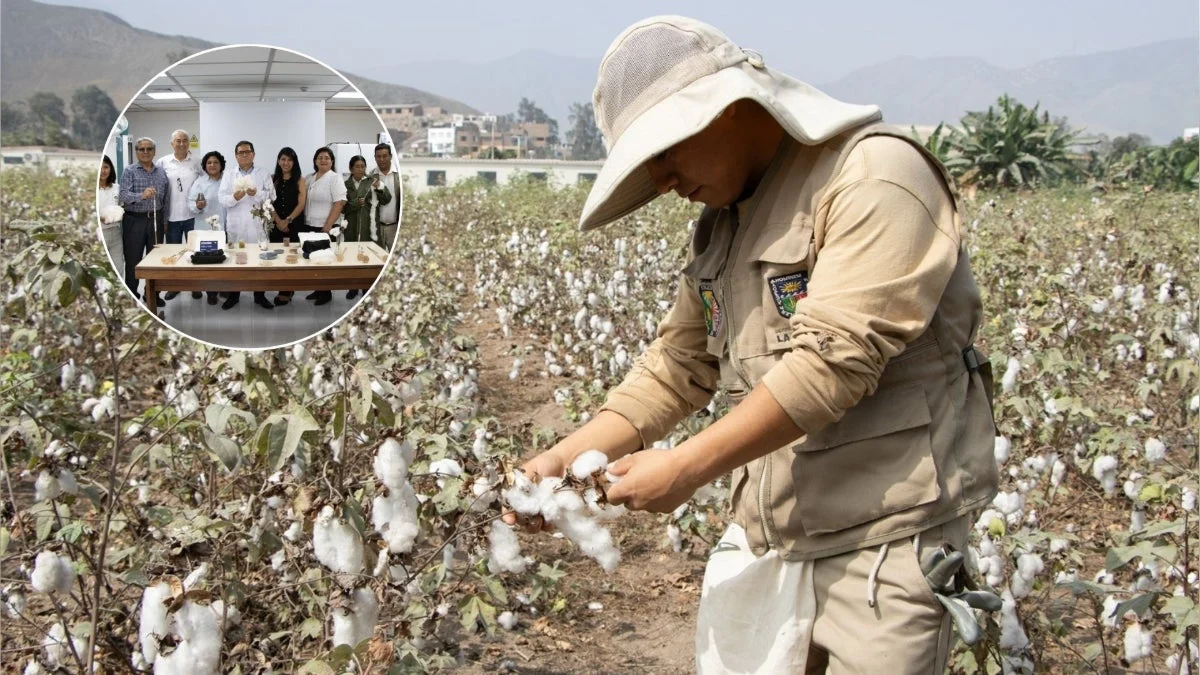
However, a breakthrough in agricultural biotechnology offers a glimmer of hope. Researchers from the Universidad Nacional Agraria La Molina (UNALM) have unveiled "Molinero Extralargo," a premium cotton variety developed after more than 15 years of rigorous scientific study. This new cultivar is not merely a botanical achievement; it is a strategic tool designed to revitalize the livelihoods of thousands of small-scale farmers and reposition Peruvian cotton at the top of the international textile value chain.
The Genesis of "Molinero Extralargo": A 15-Year Odyssey
The development of "Molinero Extralargo" did not happen overnight. It is the culmination of over a decade and a half of dedicated research, blending traditional knowledge with modern genetic science.
The Scientific Methodology
Researchers at UNALM utilized conventional genetic breeding techniques to cross-pollinate the two most iconic pillars of Peruvian cotton: the resilient Tanguis and the luxurious Pima. The goal was to create a "best-of-both-worlds" scenario: the adaptability and hardiness required for the changing Peruvian climate, combined with the superior fiber length and strength associated with the Pima variety.
Raúl Blas Sevillano, a lead researcher at UNALM, emphasized that the process involved extensive field testing across different microclimates within the Ica region. By selecting the most robust phenotypes over multiple generations, the team successfully stabilized a variety that offers not only consistent yield but also structural integrity in its fiber—a critical factor for the production of high-end, luxury textiles.
Chronology of a Regional Decline and Revival
To understand the significance of this breakthrough, one must look at the timeline of Ica’s agricultural evolution.
- The Golden Age (Pre-2000s): Ica was the heart of Peru’s cotton production, boasting 33,000 hectares of land dedicated to the "white gold." During this era, Peruvian cotton was a globally recognized commodity.
- The Period of Contraction (2000–2020): A combination of market volatility, water scarcity, and the emergence of more profitable short-term export crops led to a mass exodus from cotton farming. The total acreage plummeted by nearly 80%.
- The Research Phase (2008–2023): UNALM researchers began the arduous task of stabilizing the "Molinero" genotype. This involved years of laboratory analysis and small-plot field trials in Pisco and Chincha to ensure the plant could thrive in fluctuating environmental conditions.
- The Pilot Expansion (2024–Present): Following successful trials, a group of 780 small-scale producers in the Palpa and Nasca provinces have begun evaluating the integration of this variety into their current crop cycles.
Economic Implications: Moving Up the Value Chain
One of the most compelling arguments for adopting the "Molinero Extralargo" is its potential to radically improve the economic standing of the average farmer.
Price Premiums and Rentability
Currently, farmers struggling with older, lower-quality cotton varieties face a challenging market. The average price per quintal of standard cotton sits at approximately S/135. However, because "Molinero Extralargo" produces a longer, finer, and more durable fiber, it is classified as a premium product.
Economists estimate that this variety could command a market price of roughly S/190 per quintal. This represents a significant margin increase for the producer, providing a necessary buffer against the rising costs of fertilizers, water, and labor. By shifting to a higher-value product, farmers can maximize profit on the same acreage, reducing the pressure to expand into fragile ecosystems or compete with high-volume, low-quality imports.
Environmental Resilience: Facing Climate Change
The agricultural sector in coastal Peru is on the front lines of climate change. Increased instances of water stress and erratic weather patterns have made traditional farming difficult.
"Molinero Extralargo" was bred with these specific challenges in mind. The genetic profile of the plant includes improved water-use efficiency, allowing it to withstand periods of limited irrigation—a critical feature for the desert-like climate of Ica. By requiring less water while producing a higher-quality output, the variety aligns with the modern imperative for sustainable agriculture.
Official Perspectives: A Unified Effort
Elizabeth Martínez Francia, a representative for the Association of Small Agricultural Producers of the Valley of Ica, has been a vocal supporter of the project. For the 5,000 producers currently operating in the region, the introduction of this variety is a matter of survival.
"We have the history, the land, and the expertise," Martínez Francia stated. "With the right support and this new technology, we can recover the national cotton standing that was lost. It is about restoring the dignity of the Ica producer."
The collaboration between academia (UNALM) and the agricultural unions represents a new model for Peruvian economic development. By bridging the gap between laboratory success and field implementation, the project serves as a blueprint for how Peru can leverage its indigenous biodiversity to compete in a sophisticated global market.
The Industrial Outlook: Challenges and Opportunities
While the biological success of "Molinero Extralargo" is confirmed, the path forward involves significant industrial challenges.
The Threat of Illegal Imports
As noted in recent economic reports, the Peruvian textile industry has been heavily impacted by the influx of illegal, low-cost used clothing, which often flows through informal networks. This flood of cheap textiles has suppressed demand for high-quality domestic materials.
However, the "Molinero" variety offers a unique competitive advantage: Specialization. By producing an "extralong" fiber, Peru can cater to the luxury garment industry, which requires specific characteristics that cheap, recycled, or low-grade synthetic textiles cannot provide. This creates a "premium niche" that is insulated from the price-slashing tactics of the black-market garment trade.
Strengthening the Supply Chain
For this project to achieve its full potential, the industrial sector must align with the producers. Textile manufacturers need to invest in machinery capable of processing this superior, long-staple fiber. If the local textile industry commits to a "farm-to-fashion" approach—using the premium cotton grown in Ica to create high-value garments for export—it will create a virtuous cycle of investment and growth.
Conclusion: A Blueprint for the Future
The story of "Molinero Extralargo" is more than just a story about a plant; it is a narrative of resilience and scientific innovation. As 780 producers begin the transition in Palpa and Nasca, the eyes of the agricultural community are watching.
If this variety succeeds in wide-scale cultivation, it could reverse the decades-long trend of agricultural decline in Ica. It proves that with long-term investment in local research, Peru does not have to settle for the low-value commodity market. Instead, it can leverage its unique geographical and genetic assets to provide the world with the finest, most sustainable cotton available.
The "Molinero" is not just a crop; it is the potential backbone of a revitalized Peruvian textile economy. As the first harvests of this new era begin, the hope is that Ica will once again become the engine of the country’s agricultural prosperity.