Executive Summary: A Paradigm Shift in Disaster Preparedness
In a significant policy evolution, the Peruvian government has unveiled a strategic shift in how the nation confronts the perennial threat of the El Niño phenomenon. Through the issuance of Emergency Decree N° 010-2026, the Agency for the Promotion of Private Investment (PROINVERSIÓN), under the Ministry of Economy and Finance (MEF), has officially authorized the use of the "Obras por Impuestos" (OxI) mechanism—or Works for Taxes—to undertake preemptive disaster mitigation.
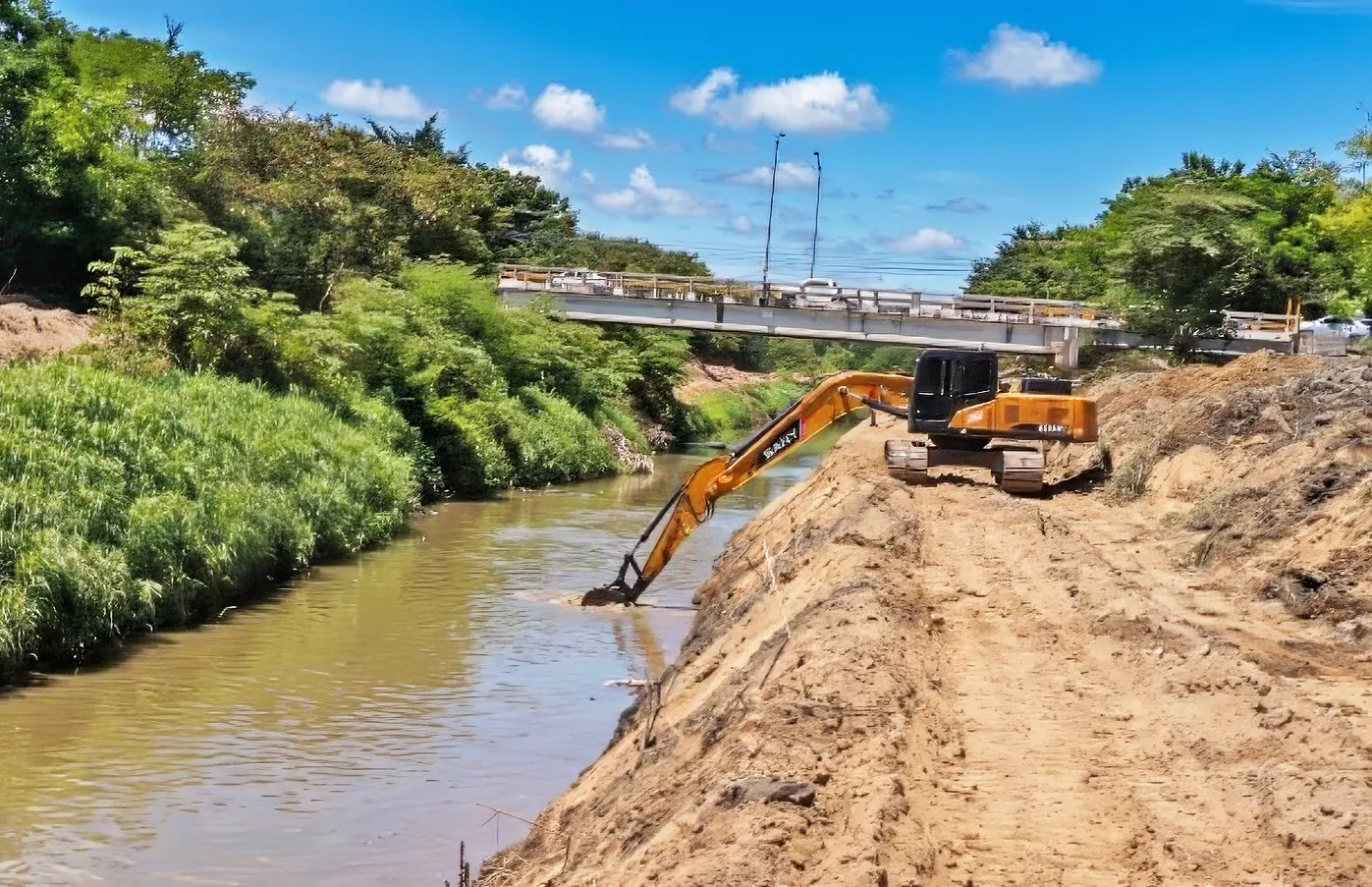
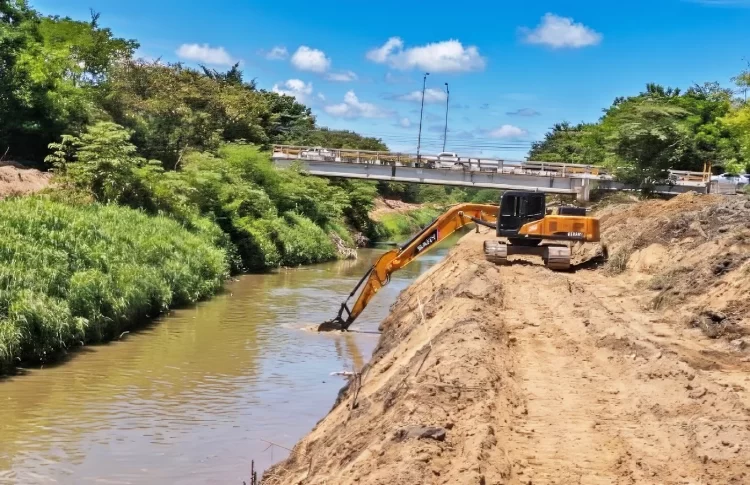
This shift marks a departure from traditional, reactive disaster management. Instead of waiting for the catastrophic impacts of El Niño to necessitate post-disaster reconstruction, the state is now empowering private sector entities to invest in critical infrastructure and preventive services before damage occurs. By streamlining bureaucratic processes, the government aims to safeguard the nation’s infrastructure, maintain essential public services, and, most importantly, provide a robust shield for vulnerable Peruvian families.
The Chronology of Change: From Reaction to Anticipation
The implementation of this decree represents the culmination of lessons learned from previous climate crises. Historically, disaster response in Peru has been hindered by procurement delays and the slow mobilization of public funds.
The Regulatory Fast-Track
The new decree introduces an unprecedented acceleration of the investment cycle:
- Prioritization Phase: Reduced from 50 days to fewer than 10 working days.
- Contracting and Finalization: Compressed from 45 days to just 18 working days.
- Total Cycle Time: The entire process, from initial prioritization to the signing of the investment agreement, is now capped at less than 30 working days.
This temporal compression is specifically designed to address the 2026-2027 El Niño cycle. By allowing for the direct hiring of private companies and supervisory entities, the state has removed the primary bottlenecks that previously paralyzed preventive maintenance. Furthermore, the decree permits the incorporation of emergency IOARR (Optimizations, Marginal Expansions, Rehabilitations, and Replacements) projects without the typically mandatory prior registration in the Multi-Year Investment Program. These measures remain in effect until December 31, 2027, ensuring a focused and time-bound surge in resilience-building.
Supporting Data: A Record-Breaking Mechanism
The decision to leverage OxI is not a leap into the unknown, but a strategic expansion of a proven model. PROINVERSIÓN has reported that the OxI mechanism is currently experiencing a historic period of growth and maturity.
Key Performance Indicators (As of September 1, 2026)
- Total Interventions Adjudicated: 1,665 projects.
- Cumulative Investment Volume: S/ 24,520 million (approx. USD 6.5 billion).
- Stakeholder Participation: 545 public entities and 629 private financing companies have engaged in the program.
The data for the 2026 fiscal year alone underscores the growing confidence of the private sector in this model. With 594 interventions totaling S/ 7,516 million, the program has attracted 245 first-time corporate participants. This influx of new private capital—amounting to S/ 2,570 million from newcomers—highlights a significant shift in corporate social responsibility and investment strategy within Peru. These investments are not merely financial transactions; they are tangible assets—highways, hospitals, schools, and irrigation systems—that form the backbone of the country’s socio-economic fabric.
Official Responses and Strategic Vision
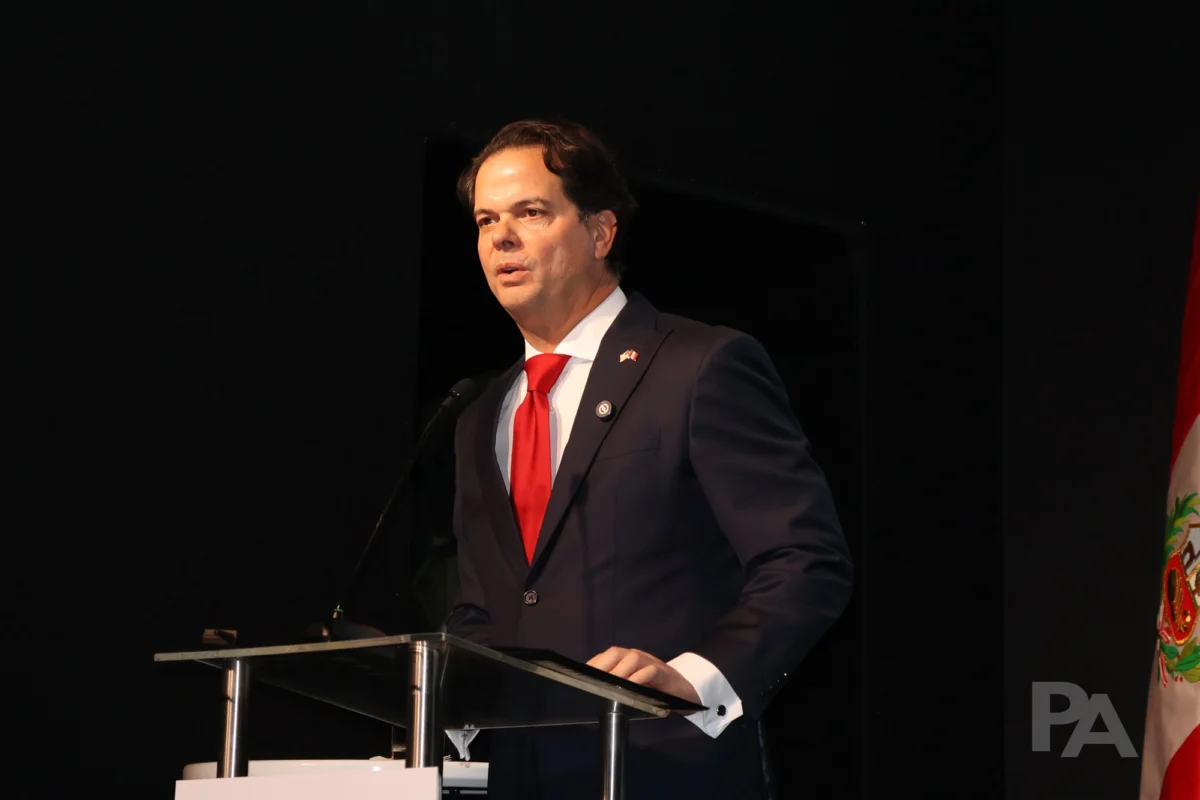
Luis Del Carpio, Executive Director of PROINVERSIÓN, articulated the government’s vision during the "Obras por Impuestos: Perspectives and Opportunities for the Next Quinquennium" conference held at the Lima Chamber of Commerce.
"We are moving from a culture of post-disaster reaction to one of proactive protection," Del Carpio stated. "By mobilizing the combined capacity of the state and the private sector, we are not just maintaining infrastructure; we are safeguarding the future of our citizens."
Del Carpio emphasized that the success of the program lies in its transparency and the rigorous oversight provided by the Comptroller General’s Office. Despite the accelerated timelines for execution, the Comptroller maintains its full authority for both concurrent and post-project control. This dual-layer oversight ensures that speed does not come at the cost of accountability.
The strategy moving forward involves deep territorial penetration. PROINVERSIÓN is currently decentralizing its operations, working hand-in-hand with regional governments and municipalities to identify "shovel-ready" projects that can be financed through OxI. The goal is to ensure that the benefits of this mechanism are not limited to urban centers but reach the most remote, disaster-prone regions of the country.
Implications for the Next Quinquennium
The implications of this policy shift extend far beyond the immediate threat of El Niño. Experts suggest that if the 2026-2027 cycle proves successful, the OxI model for emergency management could become a permanent pillar of Peru’s infrastructure strategy.
1. Strengthening Institutional Capacity
By involving private firms in the execution of public works, local governments—which often suffer from limited technical staff and administrative capacity—are provided with a "surrogate" project management office. This transfer of expertise and operational efficiency is crucial for closing the infrastructure gap.
2. Economic Stabilization
Infrastructure investment is a known catalyst for regional economic growth. By ensuring that schools and hospitals remain functional during extreme weather events, the government is essentially protecting the long-term human capital of the nation. The predictability offered by the OxI model allows private companies to plan their social impact investments in alignment with government priorities, fostering a synergistic relationship that benefits both the treasury and the public.
3. A New Model for Public-Private Partnership (PPP)
The successful integration of OxI into emergency management signals a broader trend in Latin American governance: the privatization of implementation without the privatization of ownership. The state retains control over the prioritization and final utility of the projects, while the private sector assumes the logistical burden of execution.
Looking Ahead: A Five-Year Roadmap
PROINVERSIÓN has signaled that the next five years will be characterized by an aggressive expansion of the OxI portfolio. The agency’s roadmap includes:
- Capacity Building: Specialized training for regional and municipal officials to better manage the OxI lifecycle.
- Portfolio Maturity: Developing a pipeline of high-impact, "bankable" projects that attract large-scale corporate interest.
- Articulated Territorial Action: Strengthening the link between ministerial planning and local execution to ensure that no region is left behind.
"The next five years must be the quinquennium of expansion," Del Carpio concluded. "More regions, more municipalities, more companies, and more sectors. Ultimately, this is about ensuring that every sol of tax revenue is converted into tangible, life-saving infrastructure for the Peruvian people."
As Peru stands on the precipice of a potentially challenging climatic period, the evolution of its investment mechanisms suggests a nation becoming more agile, more prepared, and more resilient. The integration of private sector dynamism into the public emergency response framework represents a landmark moment in Peruvian administrative history—a testament to the belief that the most effective way to manage a crisis is to build a wall of prosperity and resilience before the storm arrives.