Introduction: A New Paradigm for Climate-Resilient Infrastructure
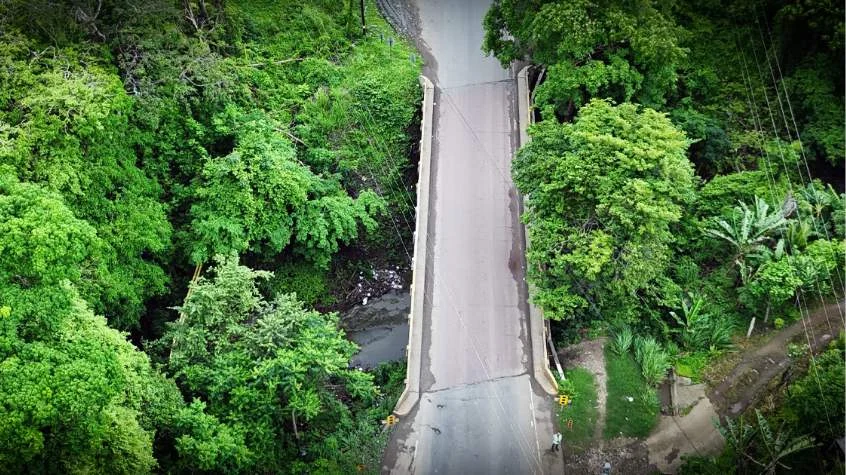
In a decisive move to fortify national connectivity against the escalating threats of climate change, the government of Costa Rica has officially commenced the construction of a modern, resilient bridge over the Cabalceta River. Situated along the critical artery of Route Nacional 1 (RN1) in the canton of La Cruz, Guanacaste, the project represents a significant leap forward in the country’s civil engineering standards.
With an investment exceeding $2.1 million, the project is a flagship initiative funded by the Central American Bank for Economic Integration (BCIE). This infrastructure undertaking is not merely a replacement of an aging structure; it is a vital component of the broader Emergency Program for Resilient Infrastructure Construction (PROERI). By prioritizing durability and adaptive design, the Costa Rican Ministry of Public Works and Transport (MOPT) aims to ensure that one of the nation’s most important transit corridors remains functional regardless of extreme weather events.
Main Facts: Engineering Specifications and Design
The technical requirements for the new Cabalceta River Bridge have been meticulously engineered to address the hydrological challenges of the region. The project, as detailed by MOPT, consists of a robust structure spanning 36 meters in length with a total width of 11 meters.
Core Design Features:
- Capacity: The bridge is designed to support two high-standard vehicle lanes, each measuring 3.60 meters in width, allowing for the safe passage of heavy-duty transport vehicles and local commuter traffic.
- Vertical Elevation: Perhaps the most critical design modification is the vertical clearance. The new structure will be elevated 1.95 meters higher than the existing bridge. This technical adjustment is specifically calculated to clear the river’s maximum flood levels, effectively mitigating the risk of structural compromise or traffic disruption during severe rainfall.
- Pedestrian Inclusion: Recognizing the daily needs of local residents, the project integrates a dedicated 1.50-meter-wide pedestrian walkway. This is a monumental upgrade, as the current infrastructure lacks any formal provision for foot traffic, posing significant safety risks to the local population.
- Approach Infrastructure: The scope of work extends beyond the bridge itself, including the comprehensive rehabilitation and upgrading of approximately 450 meters of approach roads. This ensures seamless integration with the existing RN1 network, preventing bottlenecks and ensuring a smooth transition for vehicles entering and exiting the bridge.
Chronology: From Vulnerability to Long-Term Resilience
The development of this project follows a clear timeline of strategic planning necessitated by the increasing frequency of tropical storms and seasonal flooding in the Guanacaste region.

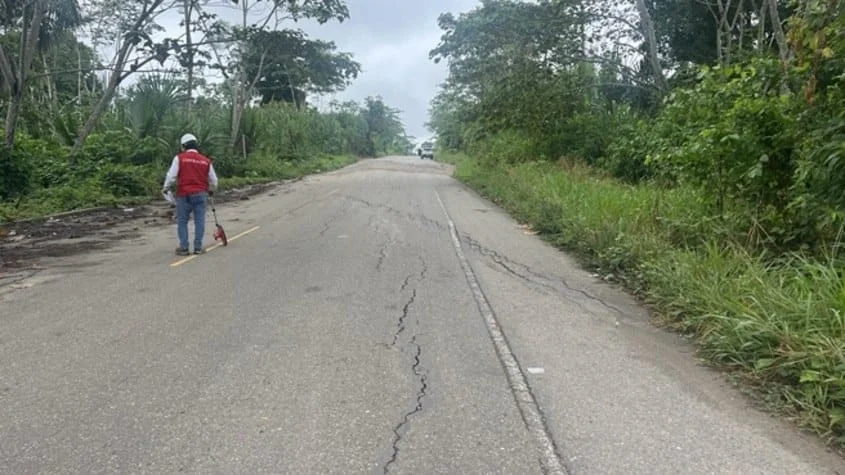
- Initial Assessment Phase: Following years of data collection regarding river flow patterns and climate trends, authorities identified the old Cabalceta bridge as a "chokepoint." The aging structure had become increasingly prone to overtopping, frequently cutting off the community of La Cruz from essential services and trade routes during the rainy season.
- Financing and Planning (PROERI): The project was integrated into the Emergency Program for Resilient Infrastructure Construction (PROERI). This institutional framework was established to accelerate the deployment of capital into projects that provide immediate solutions to climate-vulnerable assets.
- Tendering and Funding: Secured through the BCIE, the $2.1 million investment was finalized, allowing for the transition from conceptual design to active engineering procurement.
- Execution Commencement: With the project now in its active construction phase, the government has begun the demolition of the old structure while simultaneously preparing the foundations for the new, elevated bridge.
Supporting Data: Why Resilience Matters in Guanacaste
Costa Rica’s geography makes it uniquely susceptible to extreme weather. The Guanacaste region, while famous for its tourism and agricultural output, faces complex hydrological challenges. The Cabalceta River serves as a primary drainage point for the area, and during the peak of the rainy season, its discharge rates can surge significantly.
According to climate risk assessments conducted by the MOPT, the previous bridge design was insufficient to handle the "100-year flood" scenarios that are becoming more frequent. The new design factors in these hydrological projections, ensuring that the bridge remains operational even under extreme meteorological stress. By preventing the isolation of communities, the project protects local economies, schools, and medical facilities, which rely on the RN1 for essential daily operations.
Official Responses and Institutional Strategy
Government officials have highlighted this project as a testament to Costa Rica’s commitment to sustainable development. The integration of the BCIE-funded PROERI program reflects a broader regional strategy to modernize Central American logistics.
"We are moving away from reactive maintenance and toward proactive resilience," stated a spokesperson for the Ministry of Public Works. "The Cabalceta River Bridge is a pilot model for how we intend to treat all critical infrastructure in the coming decade. We are not just building for today; we are building to ensure that the citizens of La Cruz are never cut off by a weather event again."

The collaboration with the BCIE is particularly noteworthy. The bank’s involvement signals a high degree of confidence in Costa Rica’s engineering oversight and environmental management practices. By financing projects like this, the BCIE is helping to stabilize regional supply chains and lower the cost of disaster response, as the long-term maintenance costs of a resilient bridge are substantially lower than the recurring costs of repairing flood-damaged, outdated structures.
Implications: Socio-Economic and Logistical Impact
The completion of this bridge will have a transformative impact on the local and national economy.
1. Enhanced Logistics and Trade
The RN1 is a vital corridor for freight. By removing the threat of closure at the Cabalceta River crossing, the government is reducing the operational risk for logistics companies. This certainty helps stabilize the price of goods and services in the region, as transport companies can factor in predictable travel times.
2. Community Safety and Social Connectivity
For the people of La Cruz, the bridge is more than just asphalt and steel. It is a lifeline. During previous flood events, children were often unable to reach schools, and patients faced delays in reaching regional hospitals. The inclusion of the pedestrian walkway is a significant social win, promoting walkability and ensuring that non-motorized transport is treated with the same priority as heavy traffic.

3. Climate Adaptation as a Development Tool
This project proves that climate change adaptation can be an economic driver. By investing in resilient materials and elevated designs, Costa Rica is creating high-quality employment opportunities in the construction sector while building an asset that will provide utility for the next 50 to 75 years. This "future-proofing" is a central pillar of the nation’s current administration, which seeks to align infrastructure development with the country’s world-renowned environmental goals.
Conclusion: A Model for Future Infrastructure
The construction of the Cabalceta River bridge is a clear signal of the changing priorities in modern civil engineering. As the global climate continues to shift, the ability of nations to maintain mobility and connectivity will define their economic success and social stability.
By prioritizing structural elevation, pedestrian safety, and comprehensive approach road management, Costa Rica is setting a benchmark for its neighbors. The project is a microcosm of a larger national vision: a country that accepts the reality of its climate risks and meets them with sophisticated, well-funded, and expertly executed engineering solutions. As the construction crews continue their work, the project stands as a promise to the people of Guanacaste that their safety and mobility are being prioritized, ensuring a more resilient and connected future for all.