Introduction: Bridging the Gap Between Academia and Extraction
In an era where the global mining industry is under intense scrutiny regarding environmental, social, and governance (ESG) standards, the intersection of rigorous scientific inquiry and industrial application has never been more critical. Recently, Compañía Minera Poderosa, a leader in the Peruvian gold mining sector, took center stage at the Hub de Innovación Minera del Perú.
The event served as a high-level convergence point for industry executives, prominent researchers, and academic institutions, all united by a singular objective: to elevate the role of scientific research within the extractive industries. By fostering an environment where theoretical breakthroughs are tested against the harsh realities of industrial production, the event marked a significant milestone in Peru’s journey toward a more sustainable, technology-driven mining future.
The Core Facts: A Strategic Collaboration
The collaboration between Compañía Minera Poderosa and the Hub de Innovación Minera del Perú represents more than just a corporate networking event; it is a deliberate effort to solve systemic operational challenges through evidence-based innovation.
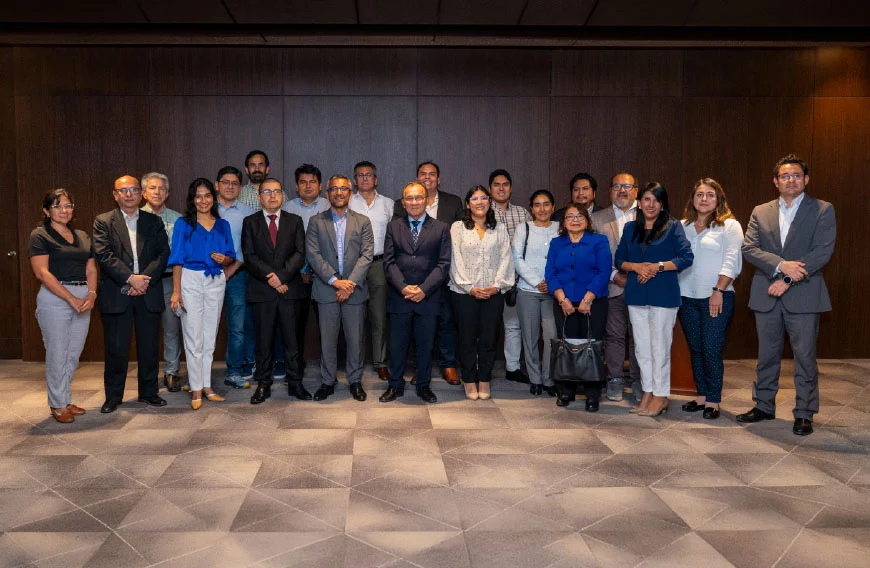
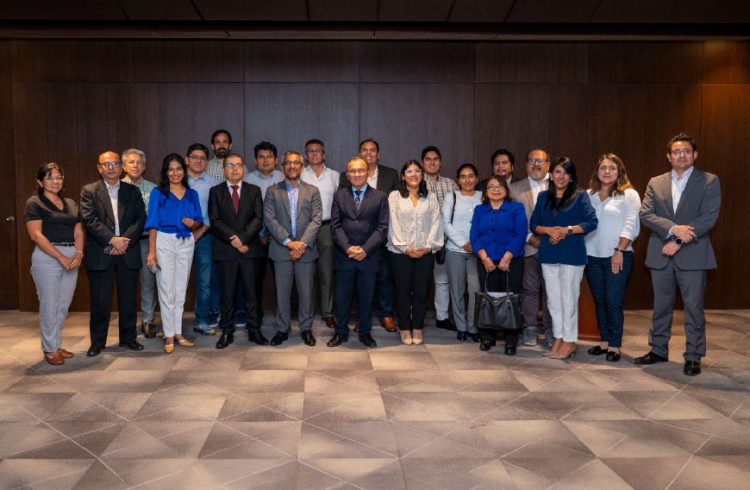
The highlight of the event was the presentation of findings by six recipients of the Doctoral Scholarship Program. These scholars, whose work is supported by institutions such as PROCIENCIA and CONCYTEC, showcased advanced research projects aimed at solving some of the most persistent hurdles in modern mining. The focus areas included:
- Tailings Valorization: Transforming waste into economic assets to minimize environmental footprints.
- Cyanide Management: Developing safer, more efficient protocols for the handling and treatment of processing reagents.
- Gold Recovery Optimization: Increasing efficiency in mineral extraction to maximize resource utilization.
- Circular Economy Models: Implementing closed-loop systems within mining camps to reduce waste.
- Environmental Remediation: Restoring biodiversity and soil health in post-extraction zones.
- Low-Carbon Material Science: Engineering construction materials that drastically reduce the carbon intensity of mining infrastructure.
Chronology of the Initiative: From Laboratory to Pit
To understand the significance of this event, one must look at the trajectory of the collaboration.
Phase 1: The Incubation of Talent
Several years ago, recognizing that the mining sector was facing a "talent and innovation gap," Compañía Minera Poderosa initiated its support for high-level doctoral research. This was not a one-off donation but a multi-year commitment to funding deep-dive research into metallurgy, chemical engineering, and environmental science.
Phase 2: The Integration Process
The research did not stay within the university walls. Over the past twenty-four months, these scholars were integrated into a framework facilitated by the Hub de Innovación Minera del Perú. This allowed them to visit Poderosa’s operational sites, collect real-time data, and pilot their theories in controlled industrial environments.
Phase 3: The Showcase
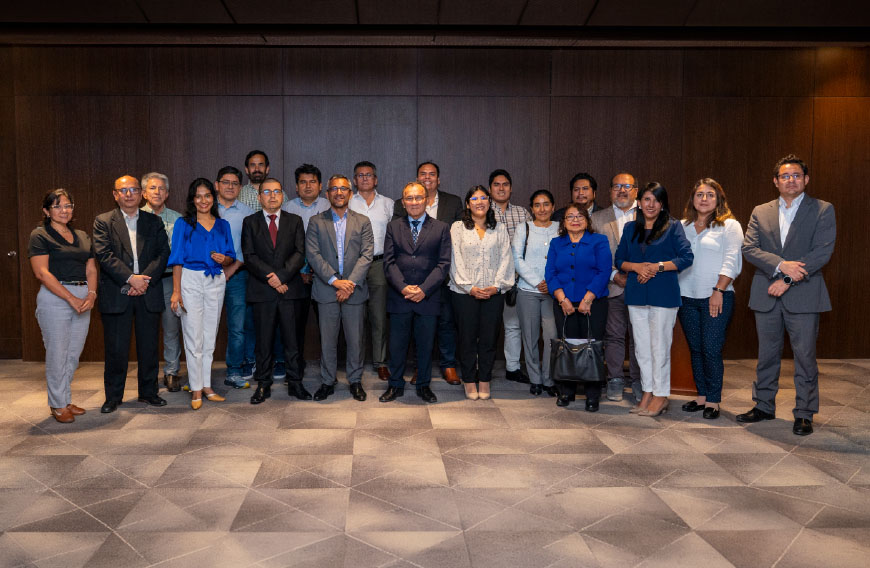
The recent event at the Hub served as the "validation summit." Here, the six doctoral candidates presented their final findings to a panel of technical experts, corporate stakeholders, and policy influencers. The presentations were not merely academic; they were feasibility reports designed to bridge the gap between "interesting science" and "implementable industrial solution."
Supporting Data: The Technical Challenges of Modern Mining
The mining industry currently faces a "triple threat": increasing operational costs, declining ore grades, and mounting pressure to reduce carbon emissions. Data presented during the symposium underscored why these specific research areas are vital:
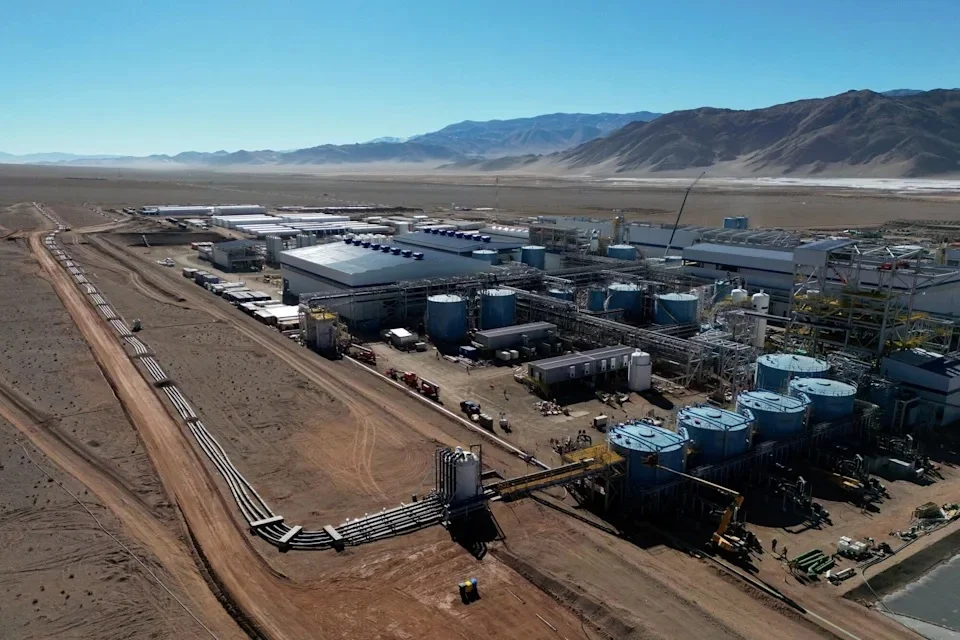
- The Tailings Challenge: Globally, mines produce billions of tons of tailings annually. The research presented showed that by characterizing the mineralogy of these tailings more accurately, companies could potentially recover trace minerals previously ignored, turning a storage liability into a secondary revenue stream.
- Decarbonization Metrics: The move toward "Low-Carbon Materials" is essential for the industry’s goal of net-zero operations. The research on low-carbon cements and structural materials offers a pathway to reduce the Scope 3 emissions of large-scale mining infrastructure by up to 30%.
- Efficiency Gains: In gold extraction, even a 0.5% increase in recovery rates—enabled by the innovative chemical processes discussed—can equate to millions of dollars in additional annual revenue for a medium-to-large scale operation, while simultaneously reducing the chemical burden on the ecosystem.
Official Responses and Strategic Vision
The atmosphere at the event was characterized by optimism regarding the future of public-private partnerships in science.
Luis Vásquez, Gerente de Asuntos Corporativos at Minera Poderosa, provided the closing remarks, which underscored the company’s philosophy. "We are not just mining gold; we are mining knowledge," Vásquez stated. He emphasized that the partnership with PROCIENCIA and CONCYTEC is the bedrock upon which the next generation of Peruvian mining will be built.
"The contributions of these six researchers are not merely theoretical exercises," Vásquez noted. "They represent the practical solutions we need to address the environmental challenges of the 21st century. By aligning our corporate resources with the brilliance of our national academic community, we are ensuring that Peruvian mining remains competitive on the global stage, not just in terms of output, but in terms of innovation leadership."
The representatives from the academic sector echoed this sentiment, noting that the biggest barrier to innovation is often the "silo effect," where industry and academia work in isolation. The Hub of Innovation has successfully dismantled these silos, creating a high-velocity exchange of ideas.
Implications: A New Era for Peruvian Mining
The implications of this event extend far beyond the immediate findings of the six scholars.
1. The Institutionalization of R&D
By integrating doctoral-level research into its corporate strategy, Compañía Minera Poderosa is setting a new standard for the industry. It suggests that future mining success will not be driven by simply moving more earth, but by moving more intelligently through technology.
2. Strengthening the Peruvian Innovation Ecosystem
The collaboration with CONCYTEC and PROCIENCIA highlights the critical role of government-backed science in industrial development. This synergy creates a virtuous cycle: researchers receive funding and real-world data, the company receives cutting-edge technological solutions, and the country benefits from a more sustainable and economically robust mining sector.
3. ESG Leadership and Social License
One of the greatest challenges for mining companies is maintaining their "social license to operate." By proactively investing in environmental remediation research and low-carbon technologies, Poderosa is demonstrating a commitment to the communities in which they operate. This shifts the narrative from "extraction at any cost" to "responsible stewardship through science."
4. Global Competitiveness
As the global market demands "green gold"—minerals produced with minimal environmental impact—Peru stands to gain a competitive advantage if it can successfully scale these innovations. The work presented at the Hub provides a roadmap for other firms to follow, potentially positioning Peru as a global exporter of mining technology, not just raw materials.
Conclusion: Looking Toward the Horizon
The participation of Compañía Minera Poderosa in the Hub de Innovación Minera del Perú is a testament to the fact that the future of mining is inextricably linked to the laboratory. As the company continues to implement the findings of these researchers, it reinforces its position as a pioneer in the industry.
The path forward will undoubtedly be complex. Scaling research from a pilot study to a full-scale operation is fraught with engineering and financial risks. However, with the current momentum behind the collaboration between academia and the private sector, the mining industry is better equipped than ever to navigate these hurdles.
By fostering a culture that prizes inquiry, sustainability, and collaboration, Compañía Minera Poderosa is not only securing its own future but is also helping to redefine what it means to be a modern mining enterprise. In the high altitudes of the Andes, the real gold may very well be the knowledge being generated today to secure a greener, more efficient, and more prosperous tomorrow for all of Peru.