Executive Summary: A Crisis of Infrastructure
Following a series of intense localized rain showers, the districts of Villa El Salvador, Villa María del Triunfo, and San Juan de Miraflores have been plunged into a public health and infrastructure crisis. The overflow of sewage systems has forced the national government to intervene, with President Keiko Fujimori announcing a comprehensive plan that includes a week-long suspension of in-person classes for affected schools and a fundamental, top-to-bottom restructuring of the state water utility, Sedapal.
The crisis, which has impacted at least 56 families directly, has exposed severe vulnerabilities in Lima’s urban drainage and sanitation infrastructure. As the executive branch mobilizes resources to mitigate the immediate impact, the long-term questions regarding the mismanagement of public services have moved to the center of the national political debate.
Chronology of the Crisis: From Light Rain to Sanitary Emergency
The events began earlier this week when unexpected lloviznas (light, persistent rain) triggered a catastrophic failure in the sewage collection network across the southern cone of the capital.
- Initial Impact: Residents in Villa El Salvador reported foul odors and the flooding of streets with wastewater, marking the beginning of a rapid environmental degradation in residential neighborhoods.
- The Immediate Response: Local authorities and the Directorate for Regional Education of Lima Metropolitan (DRELM) initially signaled that school disruptions would be limited to a single day as a preventive measure.
- Escalation: As the scale of the flooding became clear—affecting homes and school facilities—the central government shifted its strategy. By mid-week, it became evident that the saturation of the drainage system was not a momentary anomaly, but a symptom of deep-seated neglect.
- Presidential Intervention: President Keiko Fujimori conducted an inspection of the affected areas, meeting with the Ministers of Education and Health, as well as leadership from DRELM, to finalize a containment and recovery plan.
Education Sector: Health and Safety Protocols
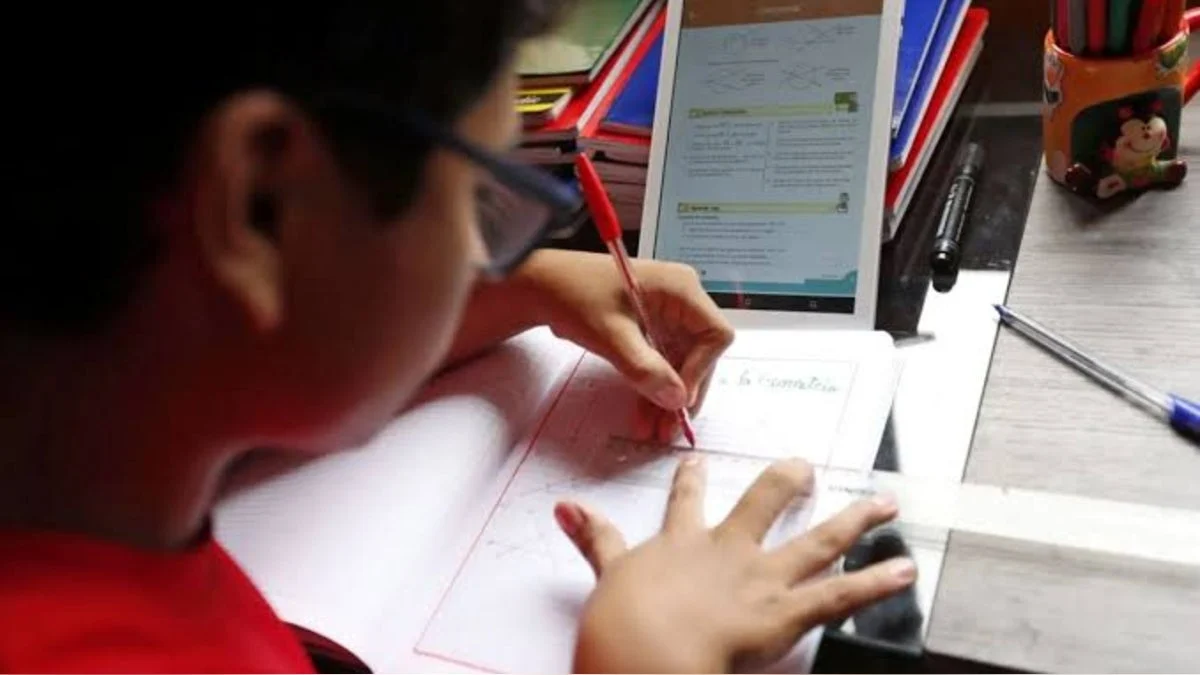
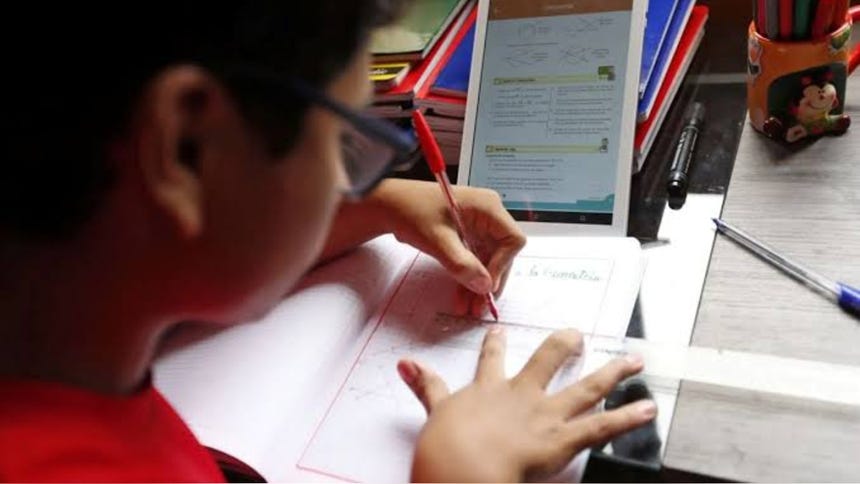
The most immediate social impact of the crisis is the disruption of the academic calendar for thousands of students. Recognizing the biological hazards posed by raw sewage, the government has mandated a rigorous sanitation process for all educational institutions in the affected zones.
The One-Week Mandate
President Fujimori confirmed that in schools directly impacted by the sewage flooding, in-person classes will remain suspended for a duration of seven days. During this period, the following protocols must be strictly adhered to:
- Comprehensive Cleaning: Removal of all silt, debris, and solid waste deposited by the floodwaters.
- Disinfection: Application of hospital-grade sanitizing agents to all surfaces, particularly in classrooms, common areas, and sanitary facilities.
- Fumigation: Specialized procedures to prevent the proliferation of pests and water-borne pathogens that thrive in the aftermath of sewage overflows.
"We have spoken with the chief of the DRELM," President Fujimori stated. "Classes will resume only after these critical health measures are completed. We cannot risk the health of our children. However, in schools within these three districts that were not affected by the flooding, classes will resume as normal starting tomorrow."
This decision highlights the government’s shift from a short-term reactive approach to a more cautious, health-centered strategy.
The Sedapal Crisis: Structural Failure and Institutional Reform
The overflow is widely seen as a turning point for Sedapal (Servicio de Agua Potable y Alcantarillado de Lima). President Fujimori was explicit in her assessment that the disaster was not merely a byproduct of weather, but a failure of institutional design.
The Plan for Restructuring
The President announced that the government is initiating a formal restructuring process for the water utility. "This is a structural problem," Fujimori asserted. "Sedapal has indicated that it will take one or two months to correct the current failures, but we cannot allow this to happen again. We are going to restructure the company to ensure that this type of crisis is permanently prevented."
While the specifics of the restructuring are currently being drafted by the Ministry of Housing and relevant technical experts, the move suggests a potential overhaul of management, infrastructure maintenance protocols, and long-term investment strategies.
Short-Term Mitigation
To prevent further immediate damage from predicted rainfall, the government has deployed heavy-duty equipment to the southern sector of the city. This includes:
- Motobombas: Two six-inch high-capacity pumps have been stationed in the most vulnerable zones to clear standing water.
- Hydrojet Units: Six specialized teams have been mobilized to unclog and clear the sewer lines, providing a critical stop-gap measure until more permanent repairs are finalized.
Supporting Data and Social Impact
The human toll of the infrastructure failure is significant. Preliminary reports indicate that at least 56 families in Villa El Salvador have seen their homes compromised, with many facing the loss of personal belongings and the threat of infectious diseases.
Relief Efforts
In response to the displacement, the government is coordinating with the Municipality of Lima to establish temporary shelters for families whose homes remain uninhabitable. Furthermore, the Ministry of Development and Social Inclusion (MIDIS), in collaboration with private sector partners, has begun the distribution of essential food supplies to the affected population.
The incident has also prompted a broader discussion regarding the urban planning of Lima Sur. The density of the population combined with an aging, insufficient sewage network has created a "perfect storm" that experts warn could repeat in other districts if significant capital investment is not prioritized.
Official Responses and Political Implications
The crisis has placed the administration’s emergency response capabilities under a microscope. By declaring an emergency in the affected districts and regions, the government has gained the legal flexibility to redirect funds and bypass standard bureaucratic hurdles to expedite the cleaning and repair processes.
The Role of Local Government
The collaboration between the central government and the Municipality of Lima has been highlighted as a key component of the recovery. However, the opposition and local community leaders are calling for accountability, demanding to know why the maintenance of the sewage system was neglected prior to the rainy season.
The Future of Infrastructure
The commitment to restructure Sedapal is, in many ways, the most significant political development of the crisis. If successful, it would mark a departure from the "patchwork" maintenance model that has characterized the utility’s recent history. Critics argue, however, that restructuring must be accompanied by a substantial increase in public investment and an end to the political appointments that have historically plagued state-owned utilities in Peru.
Conclusion: A Turning Point
The events in Villa El Salvador, Villa María del Triunfo, and San Juan de Miraflores serve as a stark reminder of the fragility of urban infrastructure in the face of changing climate patterns. While the immediate focus remains on the health of the students and the safety of the affected families, the long-term success of the government’s intervention will be measured by two factors: the effective sanitization of school environments and the depth of the promised restructuring at Sedapal.
As the city braces for further potential rainfall in the coming days, the deployment of pumps and the mobilization of emergency services suggest that the government is fully engaged in crisis mode. Whether these measures will evolve into a durable solution for the millions of citizens relying on Lima’s aging water and sewage infrastructure remains a critical question for the coming months.
The administration’s promise to prevent future repetitions is an ambitious one; in the coming weeks, public scrutiny will be fixed on the progress of the cleanup and the implementation of the structural reforms that the President has placed at the heart of her recovery agenda.