In a bold move to solidify Peru’s position as a premier logistics hub in South America, DP World, the operator of the Muelle Sur terminal at the Port of Callao, has unveiled a comprehensive $1.3 billion investment proposal. This ambitious initiative aims to double the terminal’s current capacity, modernize critical road infrastructure, and construct a long-awaited anteport.
As the global maritime landscape evolves and the competition for cargo transshipment intensifies, DP World is seeking a 30-year extension of its current concession, which is set to expire in 2036. By pushing the horizon of the agreement to 2066, the operator intends to ensure that the infrastructure remains ahead of the curve, preventing the catastrophic congestion that threatens to stifle Peru’s export competitiveness.
The Strategic Imperative: Why Investment Can’t Wait
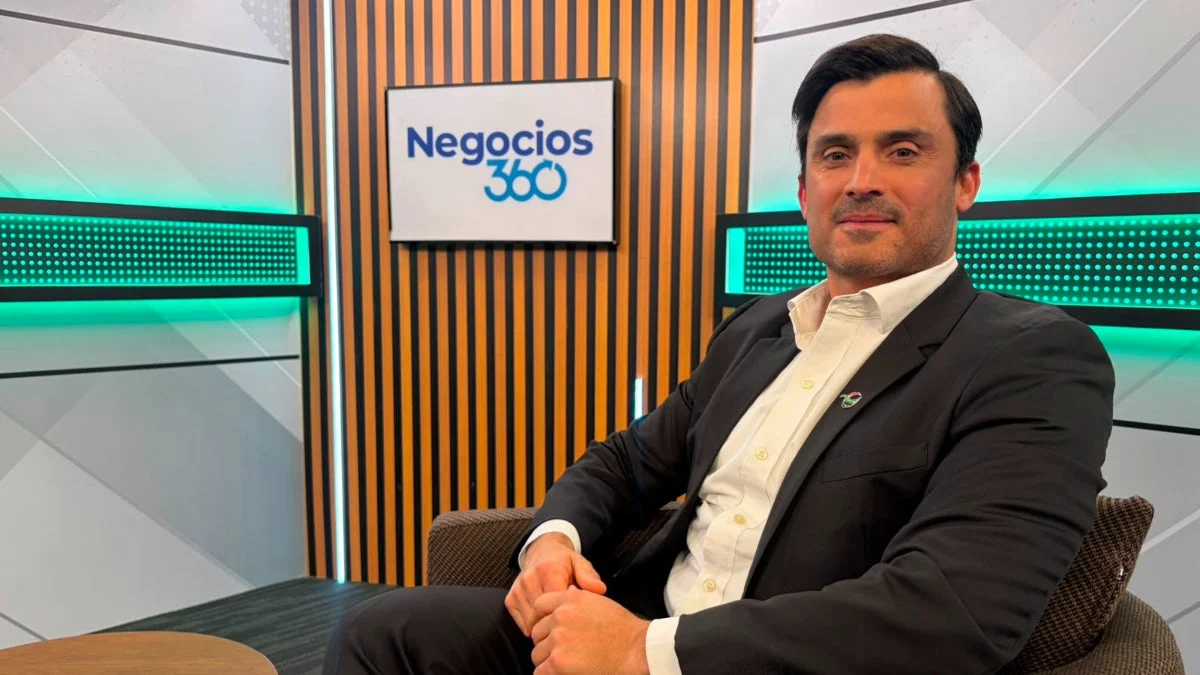
Marco Hernández, General Manager of DP World Peru, has sounded a clarion call regarding the urgency of these investments. According to Hernández, the current infrastructure, despite recent upgrades, is approaching its saturation point.
“If we do not make these investments, we will hit an inflection point in 2028,” Hernández warned in a recent interview. Projections indicate that the terminal will handle between 2.5 million and 2.6 million twenty-foot equivalent units (TEUs) by 2028—a volume that would push the facility to its absolute operational limit.
Operating at such high capacity creates a "bottleneck effect," increasing the risk of congestion, delaying the movement of goods, and ultimately inflating costs for Peruvian exporters. In a global market where supply chain efficiency is a primary driver of trade, the inability to scale could result in a loss of market share for the nation’s agricultural and industrial products.
Breakdown of the $1.3 Billion Capital Injection
The proposed $1.3 billion investment is strategically segmented to address both internal terminal efficiency and external logistical challenges:
- Expansion of Capacity ($800+ million): The lion’s share of the investment is dedicated to the construction of a new mooring pier (amarradero). This critical expansion is designed to effectively double the terminal’s current handling capacity, allowing for higher volume and the accommodation of the world’s largest container vessels.
- Infrastructure and Equipment Upgrades ($250 million): This portion of the funding will focus on the latest port technology, automated stacking cranes, and structural improvements to the existing terminal to enhance throughput and security.
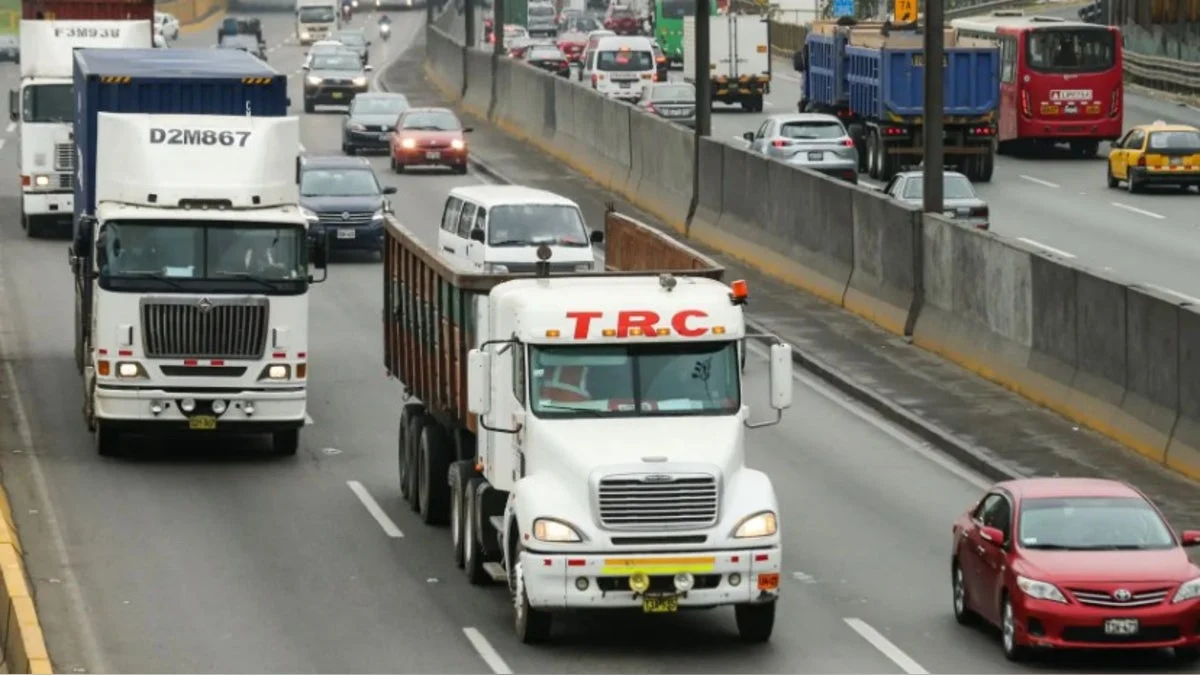
- Logistics and Road Connectivity ($250 million): Perhaps the most significant "value-add" for the local community and the port’s efficiency is the commitment to external road improvements. This includes widening existing thoroughfares, upgrading bridge infrastructure, implementing advanced traffic signaling, and constructing the long-awaited Callao Anteport. The anteport will act as a buffer zone, preventing truck congestion in the city streets surrounding the port.
A Twenty-Year Retrospective: From 900,000 to 2 Million TEUs
The history of DP World’s tenure in Callao is a testament to the transformative power of private-public partnerships. When the company first entered the Peruvian market in 2006, the entire Port of Callao handled approximately 900,000 containers annually. Today, the Muelle Sur terminal alone surpasses 2 million TEUs per year.
Over the last two decades, DP World has invested significantly more than its initial mandatory commitment of $600 million, injecting over $1.4 billion into the facility. A landmark achievement in this timeline was the completion of the "Muelle Bicentenario" in 2020, a $400 million project that successfully raised the terminal’s capacity from 1.6 million to 2.3 million TEUs.
This track record of continuous improvement serves as the foundation for the company’s current request for a concession extension. By positioning themselves as a long-term partner, they argue that their institutional knowledge and proven track record make them the ideal entity to manage the terminal’s growth through the mid-21st century.
Addressing the "Chancay Factor": Collaboration vs. Competition
The arrival of the new megaport in Chancay, operated by Cosco Shipping, has generated significant debate regarding the future of port competition in Peru. However, Marco Hernández maintains a pragmatic and optimistic stance.
Rather than viewing Chancay as a direct threat, DP World characterizes the two facilities as "complementary infrastructure." The logic is rooted in the sheer growth of Peru’s international trade. Last year, even with the impending presence of new regional infrastructure, DP World recorded a historic volume of 2.1 million TEUs.
“More than competition, these are complementary port infrastructures,” Hernández asserted. As the global demand for Pacific-based logistics grows, the existence of two world-class terminals creates a more robust ecosystem, offering shipping lines greater flexibility and ensuring that Peru remains a mandatory stop for major shipping routes.
Global Connectivity and the Economies of Scale
The evolution of the Muelle Sur is best illustrated by the size of the vessels currently calling at the port. A decade ago, the terminal primarily received ships of approximately 200 meters in length with a capacity of 4,500 TEUs. Today, the facility regularly welcomes massive container ships nearing 400 meters in length, capable of carrying up to 15,000 TEUs.
This evolution is essential for the Peruvian economy. By hosting larger ships, the port benefits from "economies of scale," which significantly lower the unit cost of transporting goods. With 19 of the 25 maritime services reaching Peru handled by DP World, the terminal serves as the gateway for 52 international destinations, including direct routes to the highly competitive Asian markets.
The Path Forward: Administrative Hurdles and Legacy
The proposed extension of the concession to 2066 is not merely a request for more time; it is a request for the stability required to undertake massive infrastructure projects. DP World has already presented its formal proposal to the Peruvian government, initiating a series of high-level meetings with the Ministry of Transport and Communications (MTC), ProInversión, and the National Port Authority (APN).
A key component of this process will be the updating of the "Master Plan" for the Port of Callao. This document serves as the roadmap for the next several decades of port development. Hernández emphasized that the company’s vision is not just about profit, but about creating a "legacy for the country."
“We want to leave a project for the country that doesn’t just look to 2066, but looks beyond the time that we might remain here,” he noted.
Implications for the Peruvian Economy
The implications of this investment go far beyond the port itself. A modern, efficient port acts as the engine of the national economy. If the $1.3 billion expansion is approved, the downstream effects include:
- Lower Logistics Costs: By reducing wait times and congestion, the cost of exporting Peruvian produce—such as blueberries, grapes, and avocados—will decrease, making them more competitive in European and Asian markets.
- Job Creation: The construction phase alone will generate thousands of direct and indirect jobs, followed by long-term employment in terminal operations and logistics support.
- Urban Integration: The $250 million investment in road connectivity and the anteport will alleviate the daily traffic chaos in Callao, improving the quality of life for residents and enhancing the image of the port city.
- National Prestige: By maintaining world-class port infrastructure, Peru confirms its status as a reliable and efficient partner in global trade, encouraging further Foreign Direct Investment (FDI) in other sectors.
Conclusion: A Critical Juncture
As 2028 approaches, the window of opportunity to prevent a systemic bottleneck is closing. The proposal by DP World represents a critical juncture for Peruvian infrastructure policy. Whether the government grants the extension and moves forward with this massive investment will determine the trajectory of the country’s maritime logistics for the next forty years.
With the global economy increasingly dependent on seamless supply chains, the expansion of Muelle Sur is not merely an optional upgrade—it is an essential requirement for a nation that aims to play a leading role in the Pacific trade corridor. As the debate continues, one thing remains clear: the infrastructure of the past will not be sufficient for the demands of the future.