By Political & Economic Desk
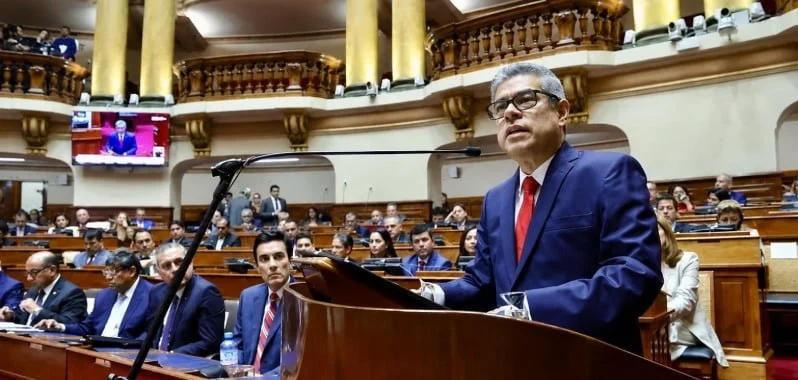
In a comprehensive policy address delivered before the Peruvian Congress, Prime Minister Luis Galarreta Valdez has unveiled a transformative national agenda for the 2026-2031 term. At the heart of this strategy lies a massive, multi-billion-sol investment plan aimed at decentralizing the nation’s infrastructure, enhancing logistical corridors, and positioning Peru as a premier regional hub for commerce and transit.
The Prime Minister’s presentation, which served as the cornerstone of the government’s official roadmap, emphasized that "connectivity is not merely an engineering challenge; it is the fundamental engine of our economic growth and the glue that will unify our diverse territories."
A Strategic Vision for National Integration
The core of the administration’s philosophy rests on the belief that physical and digital isolation are the primary barriers to equitable development. By focusing on critical "chokepoints" in the logistics chain, the government aims to reduce transit times, lower the costs of agricultural exports, and improve the quality of life for millions of citizens in the Peruvian hinterland.

"We are embarking on a paradigm shift," Galarreta stated. "We are moving away from piecemeal projects toward an integrated, systemic approach to our national transportation network. Our agenda for the next five years is designed to ensure that every corner of the country is connected to the global market."
Chronology of Execution: From Immediate Relief to Long-Term Transformation
The government has structured its plan into three distinct temporal phases, ensuring both immediate stimulus and sustainable long-term development.
Phase 1: The 2026 Priority Package
The immediate focus, slated for completion within the current calendar year, centers on "bottleneck removal." These projects are designed to unblock commercial corridors that have historically hampered regional trade. Among the highlighted interventions are:
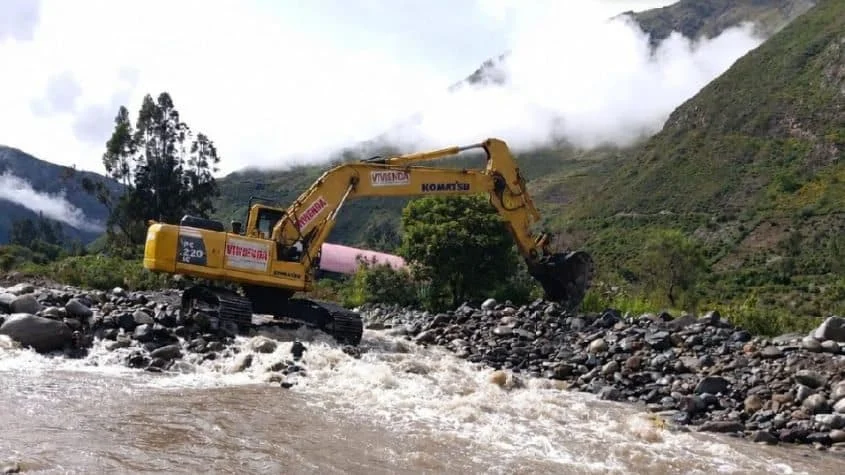
- The Access Roads to Choquequirao (Cusco): Essential for unlocking the tourism potential of this archeological site.
- The Macusani-Nuñoa Corridor (Puno): A vital route for regional mineral and agricultural transport.
- The Aserradero Sector (Amazonas): Addressing critical transit issues in the northern jungle region.
- The Chancay Bridge (Lima): A strategic project to support the growing port activity in the region.
- Panamericana Sur Expansion (Lima and Ica): The construction of a third lane to manage the heavy congestion that impacts one of the country’s most vital economic arteries.
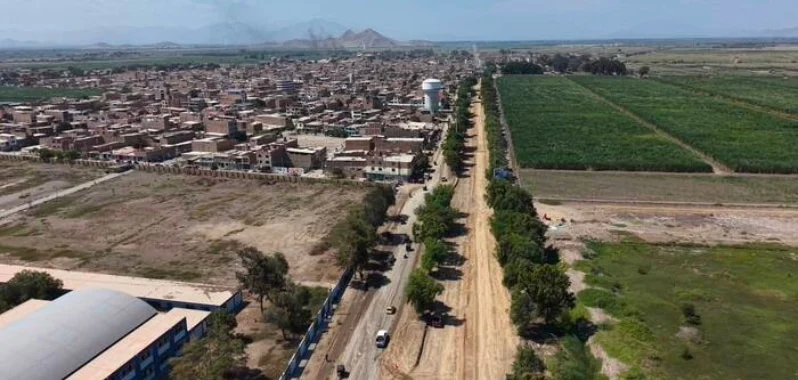
- Autopista del Sol Evitamiento (La Libertad, Lambayeque, and Piura): Improving the speed and safety of the northern coastal route.
Phase 2: Mid-Term Milestones (2027)
By July 2027, the administration aims to have transitioned from basic infrastructure to complex urban and inter-regional mobility solutions. Key projects in this phase include:

- Arequipa’s Pares Viales: A major urban transformation for the country’s second-largest city.
- Puente Primavera (Lima): A key structural upgrade to the capital’s central transit grid.
- Intercambio Vial Salaverry (La Libertad): A critical interchange for northern logistics.
- Chancay–Chancayllo Evitamiento: Strengthening the logistical link between the northern port sector and the capital.
- Línea 2 of the Metro: The government has pledged that excavation and surface clearance for the subway system will continue without interruption, maintaining a steady pace toward full operational capacity.
Phase 3: The 2031 Vision
Looking toward the end of the mandate, the focus shifts to consolidating the "Grand National Axes." This includes the full integration of the Interoceánico Sur and IIRSA Norte corridors, as well as the optimization of the No. 4, 5, and 6 National Road Networks. By 2031, the government expects these networks to be fully interconnected, facilitating a seamless flow of goods from the Amazonian borders to the Pacific ports.
Supporting Data and Financial Commitments
The financial scope of this plan is reflective of the government’s commitment to decentralization. Beyond road networks, the cabinet has allocated massive capital for aviation and digital infrastructure.
Key figures include:
- Airport Modernization: A combined investment of over 900 million soles for the comprehensive rehabilitation of the airports in Juliaca, Arequipa, and Yurimaguas. These upgrades are intended to handle increased passenger volume and cargo capacity, acting as vital regional hubs.
- Bridge Infrastructure: The long-awaited completion of the Tarata Bridge in San Martín, backed by a 379-million-sol investment, remains a flagship project for regional connectivity.
- Digital Sovereignty: Recognizing that 21st-century infrastructure is as much about data as it is about asphalt, the administration has announced an aggressive strategy to bring high-speed mobile telephony and internet access to hundreds of rural localities by mid-2027.
Official Responses and Political Implications
The announcement has received a cautious but generally positive reception from industry leaders and regional governors. Economists note that if these projects are delivered on time, they could add significant percentage points to the national GDP by reducing the "logistics tax" currently paid by local producers.

However, the opposition in Parliament has called for strict oversight regarding the execution of these funds. Concerns regarding the historical delays in public works projects remain a point of contention. In response, Premier Galarreta has promised a "transparent, results-oriented monitoring system" that will be available for public audit, ensuring that every sol is accounted for.
"We recognize the skepticism born from past administrations," Galarreta remarked during his closing statements. "But we are building a new model of efficiency. We are not just announcing plans; we are creating a framework for accountability that will ensure these roads, bridges, and digital networks are delivered to the people of Peru."
Broader Implications for the Peruvian Economy
The implications of this infrastructure push extend far beyond construction jobs. By lowering the cost of internal transport, the government aims to stimulate the growth of small and medium-sized enterprises (SMEs) in the provinces.
- Logistical Efficiency: By strengthening the Autopista del Sol and the Panamericana Sur, the government intends to lower the "per-kilometer" transport cost, directly benefiting the agricultural sector.
- Regional Tourism: The focus on Choquequirao and airport modernization in the south suggests a clear strategy to diversify tourism away from the singular focus on Cusco/Machu Picchu.
- Urban Congestion: The focus on Lima’s Metro and major bridge interchanges is a direct attempt to reclaim lost productivity caused by the capital’s chronic traffic congestion.
- Digital Inclusion: By prioritizing rural connectivity, the government is attempting to bridge the "digital divide" that currently restricts educational and telemedicine opportunities in remote regions.
As the 2026-2031 administration moves forward, the success of the Galarreta plan will likely be the benchmark by which the current government is judged. With a clear roadmap and significant financial backing, the administration is betting that an interconnected Peru is the key to a more competitive and prosperous future.