A New Era of Health and Development for Rural Communities
In a significant stride toward bridging the urban-rural divide in infrastructure, the Regional Government of Cusco has officially inaugurated a comprehensive water and sanitation project in the district of San Jerónimo. The project, which serves the rural communities of Ccollana Chahuanccoscco and Kallampata, represents a critical investment in public health, social equity, and environmental sustainability. With a total budget exceeding S/ 11.3 million, this initiative aims to provide over 3,000 residents with the fundamental right to clean water and proper waste management.
The inauguration ceremony, led by the Regional Governor of Cusco, Werner Salcedo Álvarez, marked the culmination of a rigorous effort to bring modern utilities to areas that have historically lacked consistent access to basic services. For the 604 beneficiary families, this development is not merely a technical upgrade; it is a life-changing milestone that promises to reduce waterborne diseases and elevate the overall quality of life.
Main Facts: The Scope of the Investment
The project is a complex engineering endeavor executed by the Regional Directorate of Housing, Construction, and Sanitation under the modality of direct administration. The scale of the construction reflects the regional government’s commitment to providing long-term, sustainable solutions rather than stopgap measures.
Key components of the infrastructure include:

- Residential Connectivity: The installation of 604 new household water connections and 524 sewage connections, ensuring that the vast majority of the target population has direct access to municipal networks.
- Water Sourcing: The construction and commissioning of six distinct spring water capture systems, designed to harness natural water sources in the region while ensuring purification and consistent flow.
- Network Expansion: The laying of 6.9 kilometers of primary and secondary water supply lines, complemented by 8.3 kilometers of sewage collector networks designed to handle residential waste efficiently.
- Sanitation Infrastructure: The implementation of 185 inspection manholes to facilitate ongoing maintenance and prevent blockages.
- System Integration: A specialized pumping station was constructed to bridge the local network with the broader wastewater treatment system managed by SEDACUSCO, ensuring that waste is treated in accordance with environmental regulations rather than being discharged into local water bodies.
Chronology: From Planning to Commissioning
The journey to this inauguration was marked by strategic planning, community consultation, and steady execution. While the final ribbon-cutting ceremony took place in October 2026, the project underwent several phases that underscore the challenges of executing civil works in mountainous terrain.
- Project Formulation: Following a diagnostic study of the San Jerónimo district, the Regional Government identified the lack of sanitary infrastructure as a primary driver of poor health outcomes in the Ccollana Chahuanccoscco and Kallampata sectors.
- Feasibility and Budgeting: The project was refined to include not just piping, but the necessary environmental safeguards and integration with the existing Cusco regional water grid. The S/ 11.3 million budget was allocated to prioritize labor-intensive methods that utilized regional technical expertise.
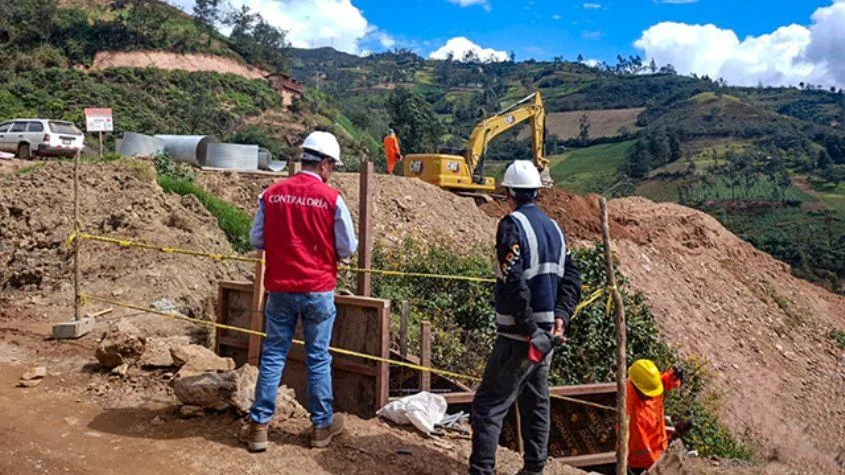
- Execution Phase: Throughout the construction period, the Regional Directorate of Housing, Construction, and Sanitation managed the logistics of transporting heavy equipment to remote elevations. The work was divided into sectors, covering Mosquetayoc, Wiracochan 2, Carduncancha, Chahuanccoscco, Puscarpampa, Chilcamocco, Cuchupampa, Katapuscar, Yuncahuaycco, and Quintapata.
- Integration and Testing: In the months preceding the inauguration, engineers conducted stress tests on the pressure of the water lines and the integrity of the sewage pumping station to ensure seamless operation upon handover.
- Inauguration: October 2026 witnessed the official handover, during which local authorities and community leaders verified the operational status of the new connections.
Supporting Data: Impact and Reach
The impact of this project extends beyond the immediate households connected. By providing a reliable source of potable water, the project directly addresses the prevalence of preventable gastrointestinal and parasitic diseases that have historically afflicted rural populations in the Andes.
- Total Beneficiaries: 604 families.
- Total Population Impacted: Approximately 3,020 individuals.
- Environmental Impact: The connection to the SEDACUSCO treatment facility represents a major shift away from the use of rudimentary septic pits or direct disposal into agricultural soil, which had previously posed a risk to local water tables and crop safety.
- Operational Sustainability: Beyond the hardware, the project includes a capacity-building component. The government has facilitated the training of local JASS (Juntas Administradoras de Servicios de Saneamiento), which are community-based organizations responsible for the ongoing administration, operation, and maintenance of rural sanitation systems.
Official Responses and Vision
During the inauguration, Governor Werner Salcedo Álvarez emphasized that the project is part of a broader mandate to decentralize the benefits of regional growth. His remarks highlighted the moral imperative of infrastructure development.
"The water that now flows through these pipes is more than just a resource; it is a symbol of health, dignity, and the future for our children," Governor Salcedo stated. "Our responsibility is to ensure that public investment reaches the places where it is needed most. We cannot allow the benefits of regional progress to be locked within the city limits while our rural brothers and sisters struggle for the basics."

The Governor’s discourse focused on the human element of engineering. "Infrastructure cannot remain a matter of just concrete and numbers on a balance sheet," he added. "It must be felt in the daily lives of our people—in the peace of mind of a mother, the health of our children, and the prosperity of every household. To govern is to listen to the people and transform their legitimate demands into tangible results."
The regional government also highlighted that the success of the project relied on a collaborative model where the government provided the technical expertise and funding, while the community participated in the stewardship of the land and the protection of the water sources.
Implications: Building a Resilient Future
The completion of the San Jerónimo project carries significant implications for regional policy in Cusco. Firstly, it sets a precedent for "direct administration" projects, where the regional government takes the lead on execution rather than relying solely on third-party contractors. This approach has allowed for better oversight and a deeper integration with local community governance.
Secondly, the project serves as a model for how rural sanitation can be integrated into urban systems. By connecting the remote sectors of San Jerónimo to the SEDACUSCO treatment infrastructure, the project ensures that the rural population enjoys the same standards of wastewater management as urban centers, preventing environmental contamination that would otherwise affect downstream agriculture.

Furthermore, the emphasis on strengthening the JASS (Water Administration Committees) is a crucial step toward sustainability. Many projects of this nature fail within a few years due to lack of maintenance; by training the residents themselves to oversee their own infrastructure, the regional government is ensuring that these 604 connections remain operational for decades to come.
As the region faces climate volatility, which often results in unpredictable water availability in the highlands, the inclusion of six distinct spring capture systems provides a level of redundancy. This diversification of water sources protects the community against potential droughts and ensures that the water supply remains stable throughout the varying seasons of the Andean year.
In conclusion, the S/ 11.3 million investment in San Jerónimo is a clear indicator that the Regional Government of Cusco is shifting its focus toward high-impact social infrastructure. By prioritizing water and sanitation, the government is not only fulfilling a basic human right but is also laying the groundwork for improved educational and economic outcomes in these communities, as healthier populations are better positioned to participate in the regional economy. As the pipes go live and the water begins to flow, the people of Ccollana Chahuanccoscco and Kallampata are witnessing the tangible reality of a modern, more equitable Cusco.