Main Facts: A Legislative Impasse
The political landscape in Peru faces a significant constitutional challenge this week as the Congressional Committee on Constitution prepares to deliberate on a controversial request for legislative powers submitted by the Executive branch. The proposal, which encompasses 66 distinct measures grouped into eight strategic policy areas, has hit a wall. A formal "predictamen" (preliminary report) currently circulating within the committee suggests a wholesale rejection and archiving of the request.
The crux of the tension lies in the Executive’s demand for a 120-day window to enact legislation via decree, a move the Committee on Constitution argues fails to meet the strict thresholds mandated by Article 104 of the Peruvian Constitution. According to the committee’s legal advisors, the request lacks the necessary specificity and fails to adequately demonstrate the "necessity, opportunity, and urgency" required to bypass standard parliamentary legislative processes. As the nation watches, the debate is set for September 29 and 30, with the outcome poised to redefine the balance of power between the executive and legislative branches.
Chronology of the Conflict
The trajectory toward this legislative showdown began several months ago when the Executive branch formally introduced its package of 66 measures. The goal, according to the government, was to provide the administration with the agility needed to combat rising insecurity and prepare for the potential impacts of the El Niño phenomenon.
- Submission and Initial Review: Upon receipt, the proposal was distributed among 12 parliamentary standing committees for technical evaluation.
- Expert Consultation: Recognizing the complexity of the 66 points, the Committee on Constitution initiated an exhaustive review process, gathering 77 expert testimonies and institutional reports to assess the validity of the request.
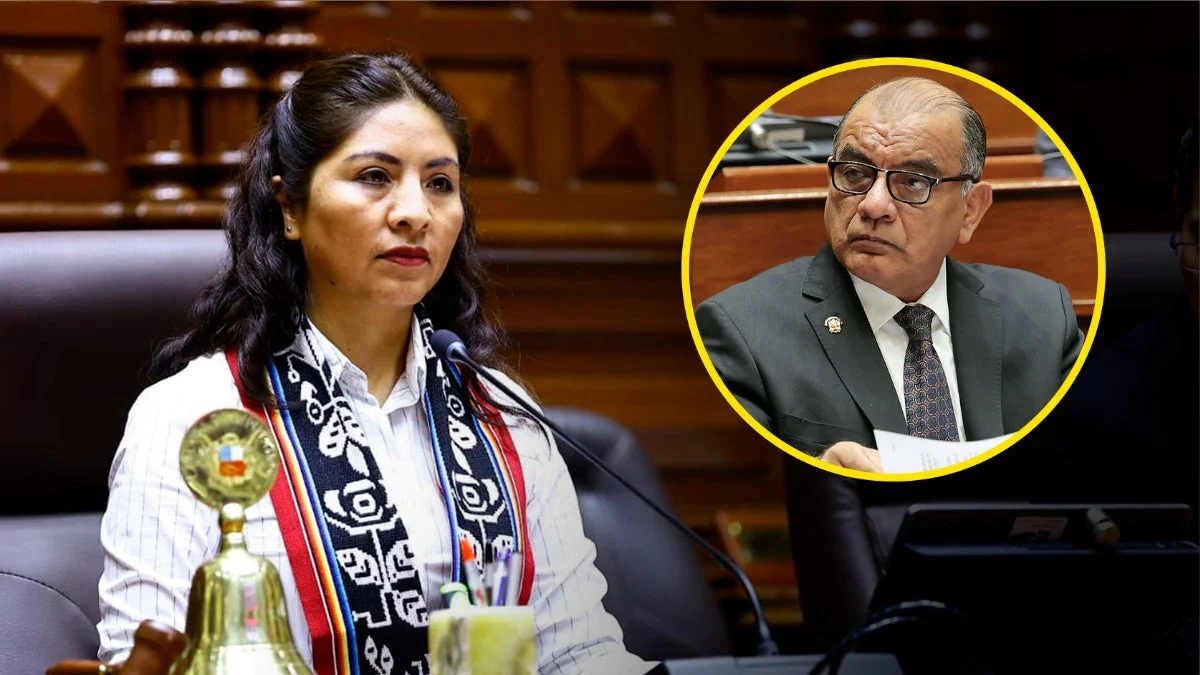
- The Drafting of the Predictamen: Following the review period, the committee chair, Giannina Avendaño Vilca, oversaw the creation of a preliminary report. The report concluded that the breadth of the proposal was constitutionally problematic.
- The Public Confrontation: As news of the potential "archiving" (dismissal) of the proposal leaked, the political discourse intensified, leading to a series of high-profile interviews on RPP Noticias involving key legislative figures.
- The Impending Vote: The final debate, scheduled for the final days of September, represents the climax of these efforts, forcing members of Congress to choose between supporting the government’s request, amending it significantly, or upholding the committee’s recommendation to scrap it entirely.
Supporting Data: The Constitutional Debate
The primary argument for the rejection of the request is rooted in constitutional theory. Article 104 of the Constitution is not a blank check; it requires that delegated powers be specific, temporary, and necessary. The Committee on Constitution contends that the Executive’s proposal is "vague" and "over-inclusive."
By grouping 66 points under eight broad headers, critics argue that the government is attempting to circumvent the deliberative nature of the plenary. Legislative experts note that the 77 institutional opinions gathered by the committee were largely critical of the lack of technical justification for why these specific measures require an expedited process rather than the standard parliamentary path. The committee’s stance is that by providing such a massive, unrefined package, the Executive has forced the legislature’s hand, leaving little room for nuanced approval.
Official Responses: Divergent Parliamentary Views
The legislative response to the potential archiving of these powers is far from monolithic. Three distinct viewpoints have emerged among the political elite, representing the friction between executive efficiency and legislative oversight.
Francisco Calisto Giampietri: The Pragmatic Approach
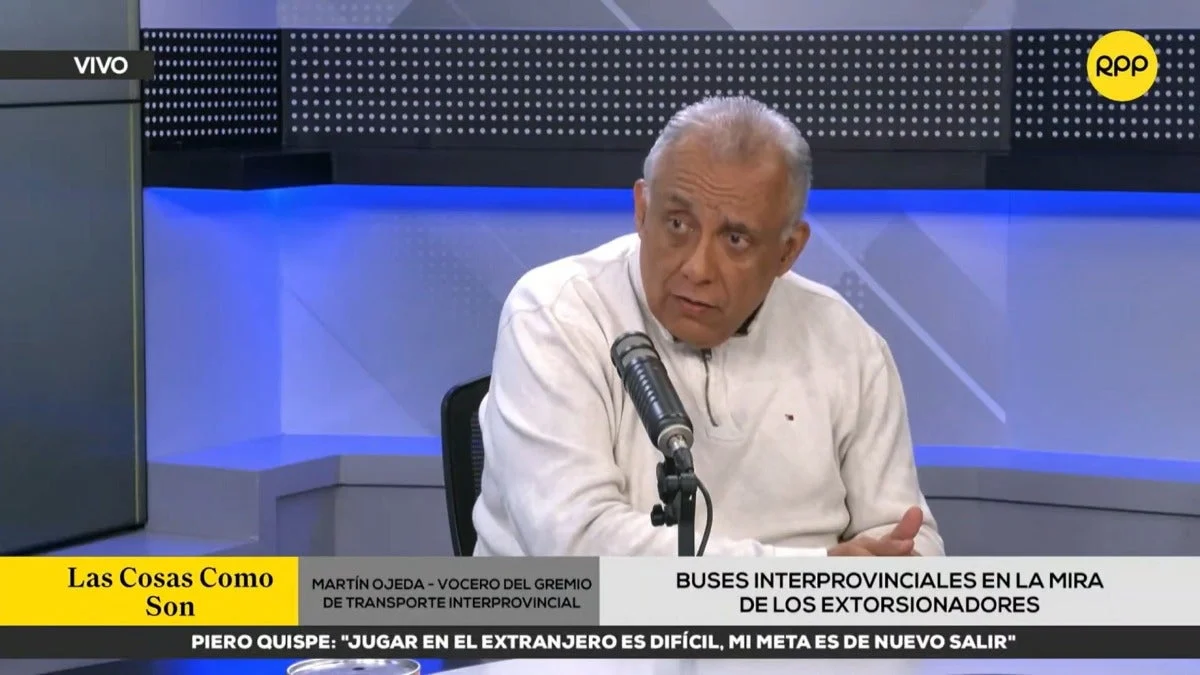
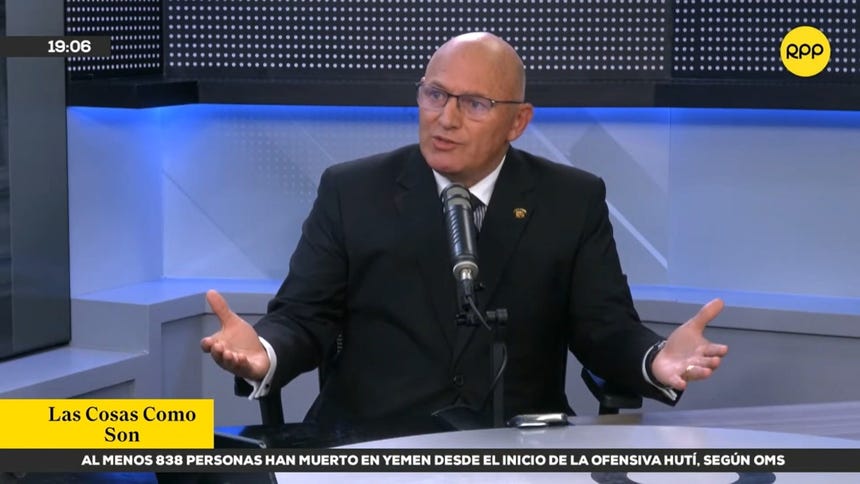
Senator Francisco Calisto Giampietri of Renovación Popular has been one of the most vocal critics of the "all or nothing" strategy. In his view, archiving the entire proposal is an act of political irresponsibility. "If there are 66 points, narrow them down," he argued during his interview with Las cosas como son. Calisto emphasizes that the primary duty of the government is to address the country’s spiraling security crisis. He advocates for a surgical approach: keeping the essential measures that directly address public safety and discarding or modifying the rest. For him, the legislative process should be a collaborative effort of refinement rather than a blunt instrument of total rejection.
Svieta Fernández: The Conditioned Negotiator
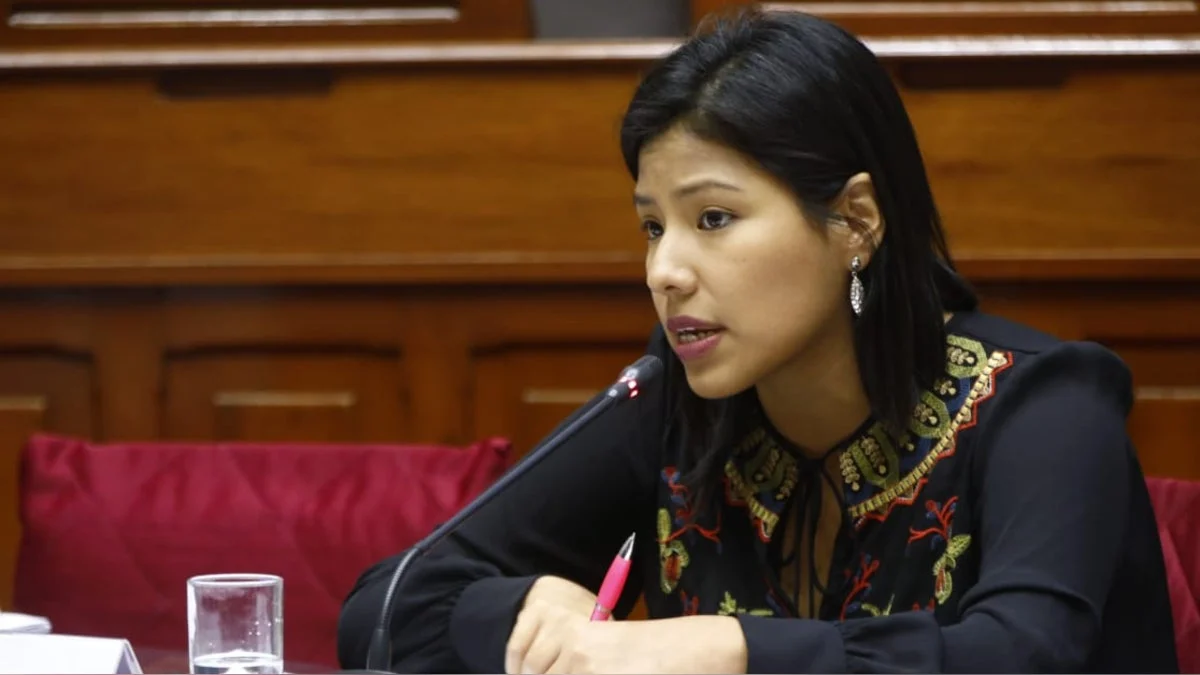
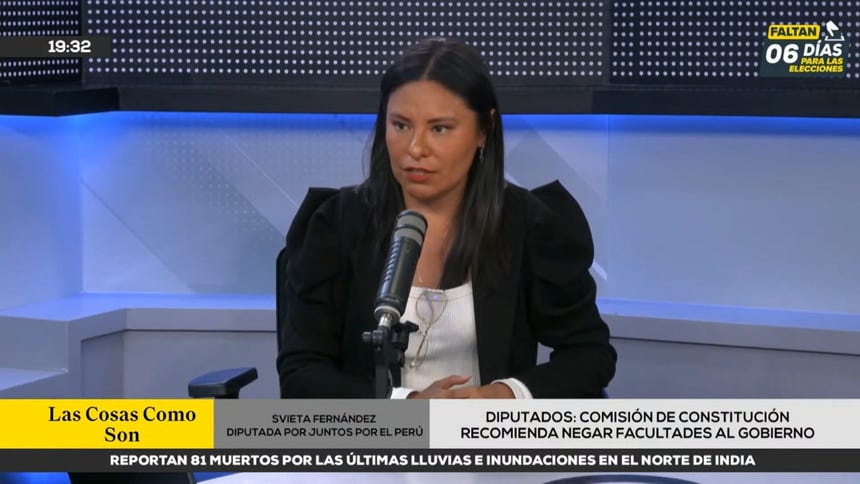
Representing Juntos por el Perú, Congresswoman Svieta Fernández offers a more nuanced, albeit skeptical, position. Her party does not support the request in its current, bloated form, citing a lack of clarity in key areas such as police reform. However, she distinguishes her stance from those who want a total rejection. "We have requested that the Prime Minister’s office send us a more concrete proposal," Fernández explained. She notes that if the government isolates the request to focus exclusively on public security and preparations for El Niño, her party would be open to a dialogue. This position places Juntos por el Perú in the middle ground, potentially acting as a pivot point for a compromise.
Karina Beteta: The Advocate for Full Debate
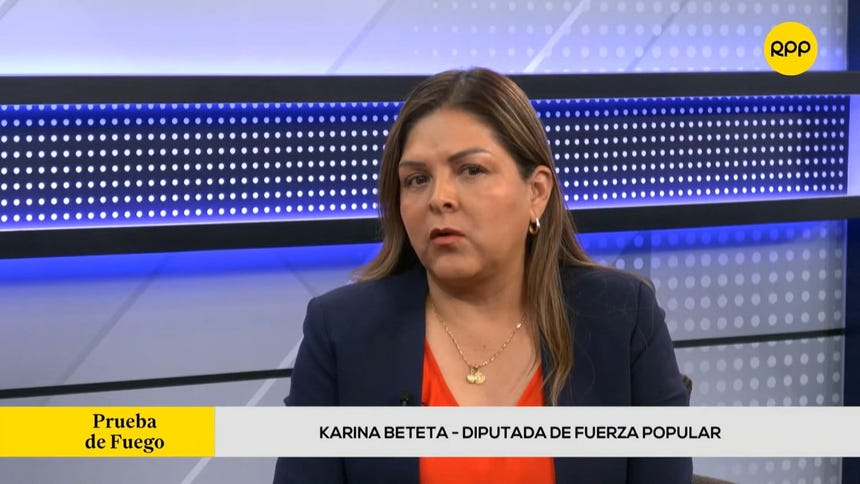
On the other side of the aisle, Fuerza Popular’s Karina Beteta has leveled sharp criticism at the committee itself. She described the move to archive the proposal as "lamentable for the country." Beteta argues that the committee, under the leadership of Giannina Avendaño, failed in its duty to facilitate a constructive, broad-based debate. She suggests that the committee should have brought ministers before them to defend each of the 66 points individually, rather than opting for a preemptive strike. Her rhetoric highlights a broader dissatisfaction with the committee’s internal dynamics, leading to speculation about whether she might push for a motion of censure against the committee’s leadership.
Implications for the Future of the Republic
The resolution of this crisis will have profound implications for the Peruvian government. If the Congress votes to archive the proposal, it will signify a major defeat for the Executive, potentially signaling a breakdown in the working relationship between the Palace of Government and the legislative branch. This would likely lead to a period of legislative paralysis, where the government is forced to present 66 separate bills, each subject to individual debate, which could take months or years.
Conversely, if the Congress opts to "prune" the request—as suggested by Calisto and Fernández—it could set a new precedent for how legislative powers are granted. It would shift the dynamic toward a more collaborative, if slower, legislative process. This would require the Executive to be much more transparent and precise in its justifications.
Furthermore, the public perception of this debate is heavily influenced by the worsening insecurity in the country. The government has successfully framed the request as a "security imperative." Should the Congress reject the powers, they risk being blamed by the electorate for the subsequent rise in crime, should the government fail to curb it without the requested tools.
Ultimately, the debate on September 29 and 30 is not just about 66 points of policy; it is about the health of the separation of powers in Peru. It challenges the legislative branch to prove that it can exercise oversight without descending into obstructionism, and the executive branch to demonstrate that it can respect the constitutional limitations of its own power. As the session approaches, the political temperature continues to rise, and the outcome remains, for now, in the hands of a deeply divided Congress.