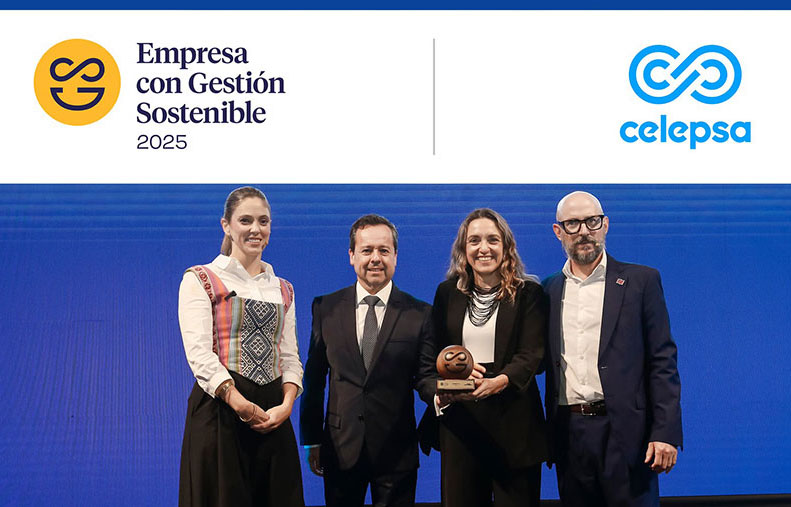
In a landmark achievement for the Peruvian energy sector, Celepsa, the energy subsidiary of the UNACEM Group, has been awarded the Distintivo Empresa con Gestión Sostenible (EGS)—the "Sustainable Management Company" distinction. Beyond merely securing the certification, the company reached the coveted "Merit" category, a testament to its exceptional performance in integrating environmental, social, and governance (ESG) criteria into its core business operations and strategic decision-making processes.
This recognition, bestowed by the non-profit organization Perú Sostenible, marks the fourth consecutive year that Celepsa has participated in and successfully navigated the rigorous evaluation process. The award underscores the company’s evolution from traditional energy production toward a model of sustainable, long-term value creation.
1. Main Facts: A Benchmark for Corporate Responsibility
The EGS distinction is not merely an honorary title; it is the most robust assessment and certification program for ESG performance in Peru. Managed by Perú Sostenible, the program aims to bolster the competitiveness of the private sector by setting a high bar for corporate conduct.
In this year’s edition, 73 companies participated, representing 26 diverse economic sectors, including energy, mining, banking, telecommunications, education, and professional services. Of those, 67 organizations successfully earned the EGS distinction. Celepsa’s elevation to the "Merit" category places it among a select group of companies that have demonstrated not only compliance with sustainability standards but also a proactive, mature approach to ESG integration.
The evaluation process is exhaustive. It measures how companies address critical challenges such as carbon footprint reduction, labor relations, supply chain ethics, and transparent governance. By achieving the "Merit" designation, Celepsa has proven that its internal governance structures are resilient, its social impact programs are effective, and its environmental stewardship is aligned with global best practices.
2. Chronology: The Road to Sustainability
The path to this recognition was not an overnight success but the result of a multi-year strategic shift.
- Foundational Years: Long before the EGS distinction existed, Celepsa began aligning its operational protocols with international energy standards, focusing on the efficiency of its hydroelectric power plants and the mitigation of environmental impact in its basins.
- Initial Certification (Year 1): Upon the launch of the EGS program, Celepsa committed to the assessment to benchmark its performance against national and international peers. This initial participation provided the baseline data necessary to identify gaps in reporting and social engagement.
- Systemic Integration (Years 2-3): During the intermediate years, Celepsa integrated the feedback provided by the EGS evaluators into its corporate strategy. The company overhauled its sustainability reporting, improved transparency in its governance, and strengthened its social investment programs in the regions where it operates.
- The "Merit" Milestone (Year 4): The current year marks the consolidation of these efforts. By consistently refining its management systems, Celepsa successfully moved into the "Merit" tier, signaling to stakeholders, investors, and the public that sustainability is no longer a peripheral department but the engine of its growth.
3. Supporting Data: Global Frameworks and Rigorous Standards
One of the key reasons the EGS distinction holds significant weight in the Peruvian business community is the technical rigor behind its evaluation. The criteria are not arbitrary; they are deeply rooted in globally recognized frameworks that define modern ESG excellence.
Celepsa’s performance was measured against standards that include:
- Dow Jones Sustainability Index (DJSI): The global gold standard for corporate sustainability. By aligning with these criteria, Celepsa ensures its management approach is comparable to the world’s leading energy corporations.
- Global Reporting Initiative (GRI): These standards are used to report the company’s economic, environmental, and social impacts, ensuring transparency for all stakeholders.
- Sustainability Accounting Standards Board (SASB): By adopting these standards, Celepsa focuses on the ESG issues most relevant to its financial performance and its role as an energy provider.
- IFC Performance Standards: As a member of the UNACEM Group, Celepsa adheres to the International Finance Corporation’s standards, which are critical for managing social and environmental risks in projects of significant scale.
This alignment ensures that Celepsa’s ESG reporting is not just "greenwashing" but a reflection of data-driven, auditable, and actionable corporate management.
4. Official Responses and Group Synergy
The success of Celepsa is inextricably linked to the broader mission of its parent company, the UNACEM Group. In the latest round of evaluations, various units within the Group were also recognized, reinforcing the parent company’s commitment to a unified, sustainable business model.
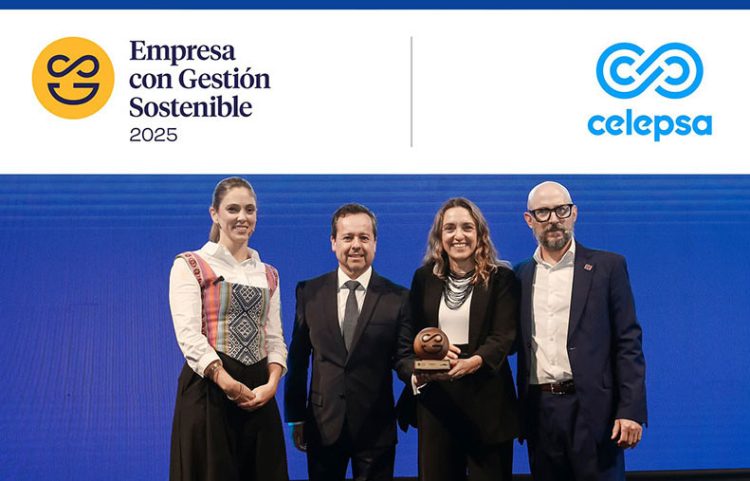
In a statement following the award ceremony, representatives from Celepsa emphasized that this recognition is both a validation of their past efforts and an impetus for future innovation.
"Reaching the ‘Merit’ category is a milestone for our team," stated a spokesperson for the company. "It reflects years of disciplined work in integrating ESG into our daily decision-making. As the energy arm of the UNACEM Group, we understand that our responsibility extends beyond electricity generation. We are tasked with powering a future that is environmentally sound, socially equitable, and governed by the highest standards of integrity."
The synergy within the UNACEM Group allows Celepsa to leverage cross-industry expertise, ensuring that sustainability practices are shared across construction, cement, and energy sectors, creating a cohesive culture of responsibility that permeates the entire corporate ecosystem.
5. Implications: The Future of Energy in Peru
What does this achievement mean for the broader energy market in Peru?
A. Increased Competitiveness
As international investors increasingly demand ESG transparency, companies like Celepsa, with verified high-performance credentials, are better positioned to secure financing and form international partnerships. The "Merit" label serves as a "trust signal" for global capital markets.

B. Setting the Bar for the Energy Transition
Peru is in the midst of a critical energy transition. As the country seeks to move away from fossil fuels and expand its renewable energy portfolio, Celepsa’s focus on sustainable hydroelectric and clean energy management serves as a blueprint. It demonstrates that large-scale energy production can coexist with local community development and strict environmental protection.
C. Strengthening Stakeholder Trust
For the communities residing near Celepsa’s operations, this certification provides a layer of assurance. It signals that the company is subjected to rigorous, third-party oversight, which encourages accountability and open dialogue.
D. A Call to Action
Celepsa’s rise to the "Merit" category is a challenge to its peers. As the Peruvian corporate landscape evolves, the EGS distinction is becoming the new baseline for "good business." Companies that fail to adapt to these rigorous standards risk being left behind in a market that is increasingly prioritizing long-term value over short-term gain.
Conclusion
Celepsa’s achievement in the fourth edition of the Empresa con Gestión Sostenible program is a significant victory for the company and a positive signal for the Peruvian energy sector. By moving from a participant to a merit-based leader, Celepsa has proven that it is capable of evolving alongside the global demands of sustainability.
As the world continues to grapple with the climate crisis and the necessity for ethical business conduct, companies that prioritize the triple bottom line—People, Planet, and Profit—will be the ones to define the future. For Celepsa, this is not a final destination, but rather the beginning of a more intensive chapter in its commitment to building a sustainable and resilient future for Peru.