By ProActivo Editorial Staff
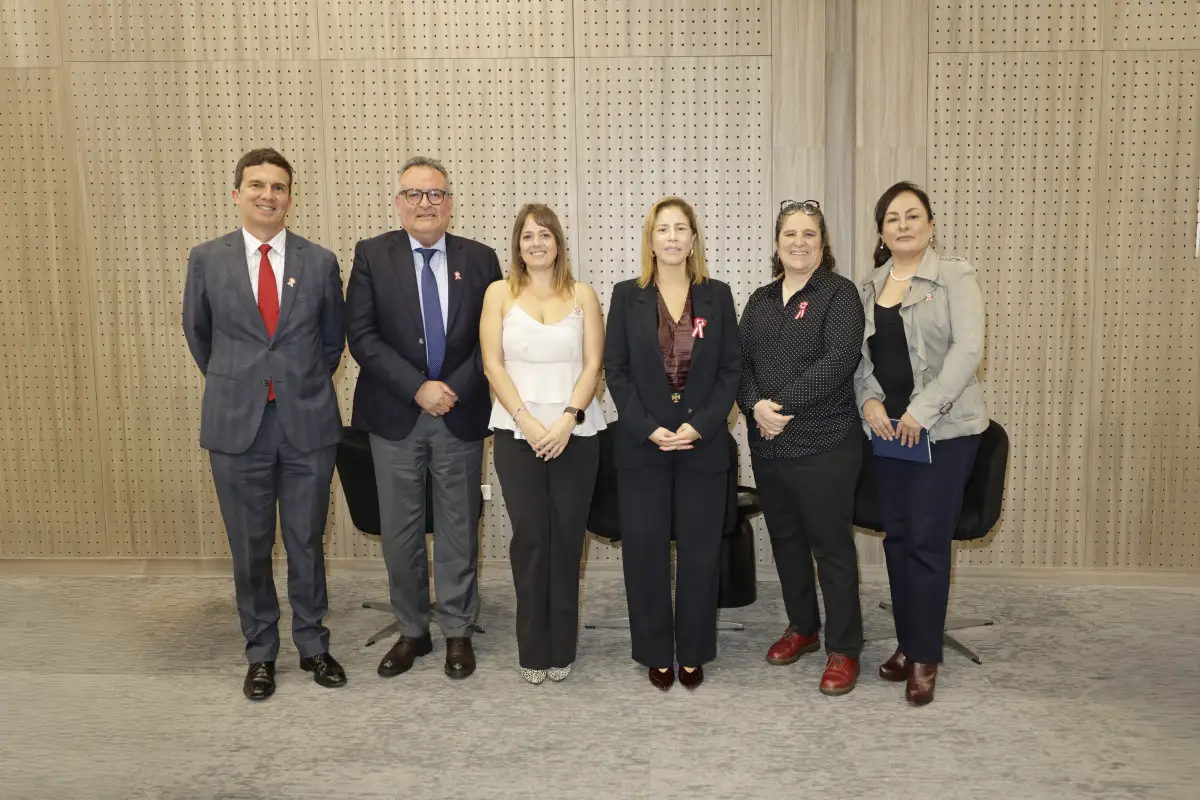
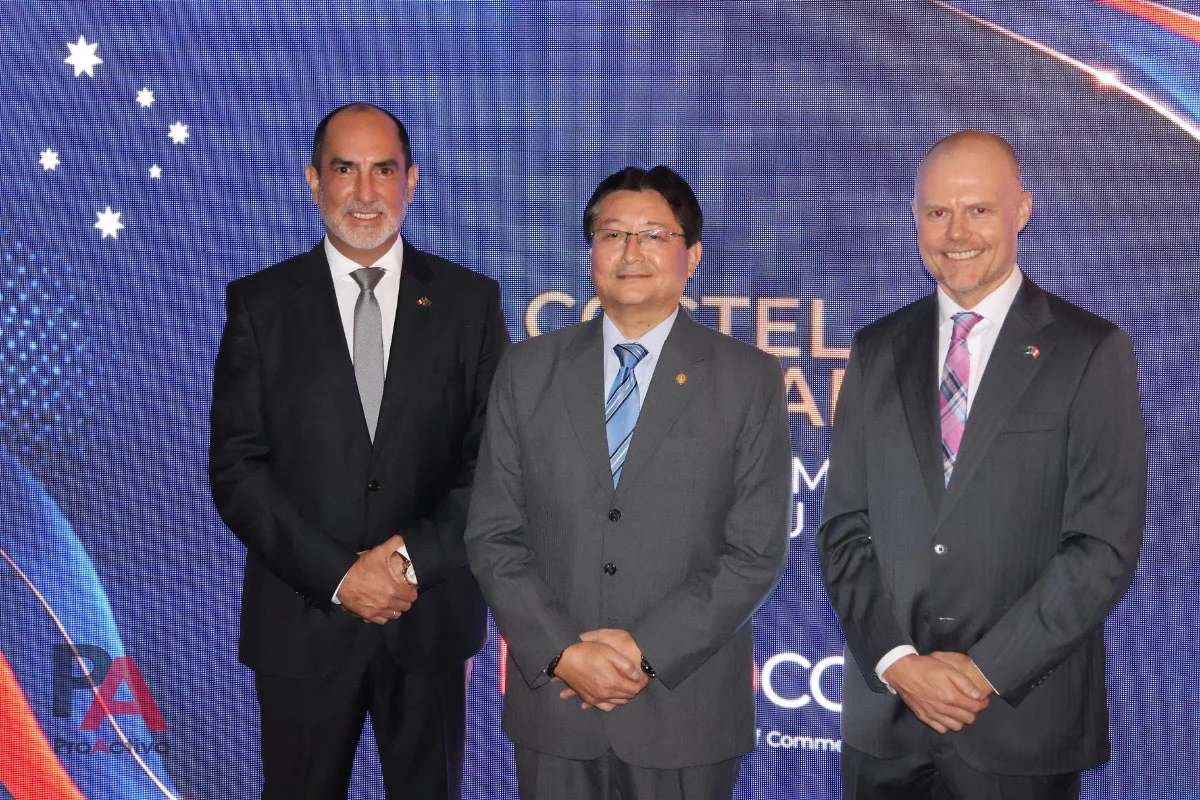
In a landmark gathering that convened the vanguard of the mining-energy sector, diplomatic corps, and high-ranking government officials, the Australia-Peru Chamber of Commerce (APCCI) recently commemorated its 14th anniversary. The event served not only as a retrospective of over a decade of institutional development but as a launchpad for a new era of bilateral cooperation, underscored by a commitment to gender equity, technological innovation, and sustainable investment.
As the Chamber enters its 15th year, the mood was one of optimism and strategic alignment. With a robust membership base and a clear mandate to facilitate trade between two of the world’s most significant mining jurisdictions, the APCCI has cemented its position as the primary nexus for Australian-Peruvian economic relations.
The Evolution of a Strategic Partnership
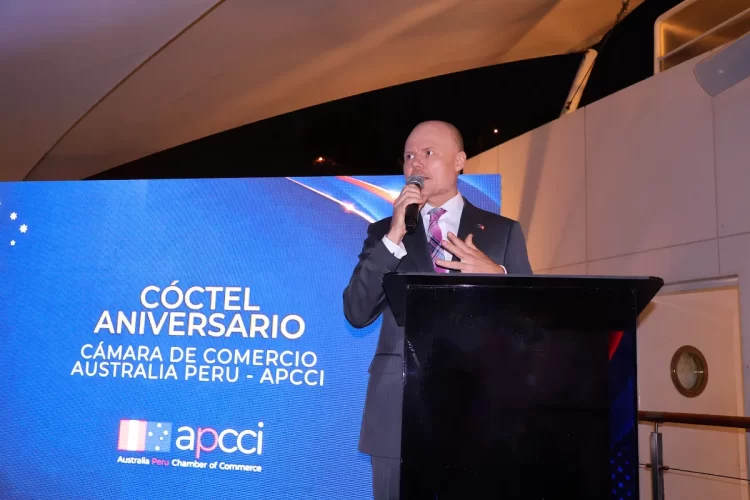
The anniversary celebration, held in Lima, marked a significant departure from the Chamber’s typical low-profile networking events. Carlos Castro, President of the APCCI, set an ambitious tone for the organization’s future.
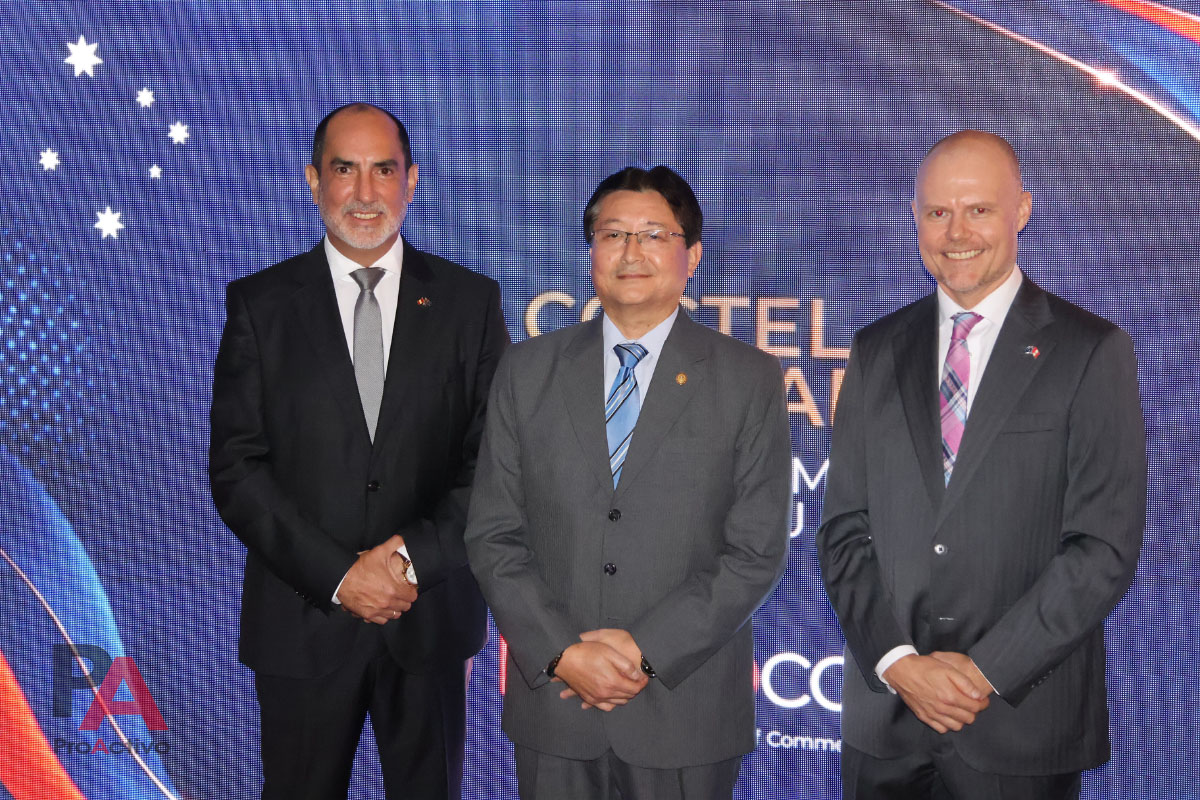
"This is the first time in 14 years that we are celebrating our anniversary with all of you in this capacity," Castro remarked during his opening address. "Due to this warm reception and the collective enthusiasm, we pledge that this will become a new tradition for the Chamber—a yearly opportunity to celebrate our growth alongside our members and the new partners who join our mission."
A Chronology of Growth
When the Chamber was founded in 2012, it functioned as a boutique entity aimed at fostering initial dialogue between the two nations. By 2016, the organization had grown to approximately 60 active members. Today, that number has surged to 158. This growth trajectory is not merely numerical; it reflects the deepening complexity of the relationship between Australia and Peru.
- 2012–2016: The formative years. Focus on establishing basic institutional frameworks and initial mining-tech knowledge transfers.
- 2017–2021: The expansion phase. Integration of larger service providers and the beginning of the "Women in Mining" (WIM) collaborative efforts.
- 2022–2026: The maturation phase. Emphasis on ESG (Environmental, Social, and Governance) criteria, decarbonization of the mining sector, and direct government-to-government policy alignment.
"The true growth of the APCCI is not measured solely by our membership numbers or the frequency of our events," Castro explained. "It is measured by our capacity to generate genuine value, to build robust bridges, and to evolve into an influential organization that strengthens the deep ties between Australia and Peru."
Projecting Peru to the World: The Road to IMARC 2026
The centerpiece of the Chamber’s current agenda is the upcoming International Mining and Resources Conference (IMARC) 2026, scheduled to take place in Australia from October 25 to 29.
For the APCCI, IMARC is not just a trade show; it is the premier platform to showcase the Peruvian mining sector’s potential to a global audience. The Chamber is coordinating a significant delegation of Peruvian business leaders, policymakers, and innovators to participate in the event.
"We have a major milestone to meet in just four weeks," said Castro. "IMARC will allow us to plug into that incredibly valuable Australian ecosystem and project Peru’s potential on a global stage. We intend to ensure that Peru shines, while simultaneously absorbing the world-class knowledge and technological best practices that Australia has to offer."
The Human Element: Diplomacy and Inclusion
Beyond the cold metrics of trade balances and mineral exports, the Australia-Peru relationship is fundamentally built on human connections. James Yeomans, the Australian Ambassador to Peru, emphasized that the strength of the partnership is ultimately dependent on the people behind the companies.
"A relationship between nations is not merely a relationship between governments; it depends on the companies and the connections between the individuals who represent them," Ambassador Yeomans stated. "That is what the APCCI does: it constructs human connections. With those connections comes the trust necessary to innovate, invest, grow, and conduct business."

Advancing Gender Equity in Mining
A defining pillar of the current bilateral agenda is the promotion of gender equality in the mining industry. This year, the partnership has achieved a concrete milestone. For the first time, two women have been selected for a fellowship program in collaboration with Women in Mining (WIM).
The initiative is a joint effort between the Australian Embassy, the APCCI, several major mining firms, and educational institutions. Ambassador Yeomans highlighted this as a crucial investment in the future of the industry. "Our relationship remains strong only if we invest in the future of people. By providing opportunities for women in the Peruvian mining sector, we are building a more resilient, inclusive, and forward-thinking industry."
Official Perspective: The Government’s Stance
The event concluded with an address from Guillermo Shinno, representing the Ministry of Energy and Mines (MINEM). Shinno reaffirmed the Peruvian government’s view of Australia as the global "gold standard" for modern, sustainable, and technologically advanced mining.
"Australia serves as a global benchmark for mining excellence, safety, and sustainability," Shinno remarked. "Their experience is invaluable to the strengthening of our own mining-energy sector—a sector that remains the heartbeat of our national economy and the primary driver of regional development and job creation."
A Commitment to Responsible Investment
The Ministry of Energy and Mines emphasized that the government is fully committed to fostering an environment of "responsible, competitive, and sustainable investment." To underscore this, Shinno confirmed that the Vice Minister of Mines would lead the government’s contingent at IMARC 2026, ensuring that the dialogue started at the anniversary event continues in Australia.
"We are here to reaffirm our commitment to promoting projects that generate shared value," the Minister added. "We aim to build a framework where the benefits of mining are felt by local communities, and where there is absolute trust and transparency between the State, the private sector, and the citizenry."
Implications for the Future
The 14th-anniversary celebration of the APCCI signals a shift toward a more proactive, integrated, and socially conscious model of international commerce. As the mining industry faces the dual challenge of meeting the global demand for energy-transition minerals while simultaneously addressing climate change and social license requirements, the collaboration between Peru and Australia has never been more relevant.
Key Takeaways for Stakeholders:
- Technological Integration: The focus on IMARC 2026 highlights the urgency for Peruvian firms to adopt Australian mining-tech and automation standards to remain competitive.
- Social License and ESG: The emphasis on Women in Mining and "shared value" reflects the changing nature of capital. Investors are no longer looking just for geological prospects; they are looking for jurisdictions that demonstrate social stability and equity.
- Institutional Continuity: With the backing of the Ministry of Energy and Mines and the Australian Embassy, the APCCI has solidified its role as a stable, long-term facilitator for trade, reducing the friction often associated with cross-border investments.
As the Chamber moves forward, its success will likely serve as a blueprint for how mid-sized economies can leverage international partnerships to modernize their primary industries. With 158 partners and counting, the APCCI is not merely watching the growth of the mining sector; it is actively shaping the landscape of the future, ensuring that the bond between Australia and Peru remains a cornerstone of the global resource economy.