By Monica Belling | ProActivo
Climate change has transcended the realm of 2050 projections; it is no longer a distant theoretical threat. Today, it manifests in the tangible language of collapsed bridges, paralyzed industrial operations, and isolated populations across Peru. During the high-stakes "Environmental Session" of the ProActivo 2026 Awards, the narrative shifted from corporate "green agenda" rhetoric to a visceral confrontation with territorial reality.
In a rare display of candor, executives from the nation’s leading extractive and manufacturing sectors delivered a stern warning: corporate decarbonization is a futile exercise if state bureaucracy, the persecution of the formal sector, and the systemic "kidnapping" of technical data continue to impede the nation’s ability to adapt to climate-induced disasters.
1. Main Facts: The Disconnect Between Policy and Territory
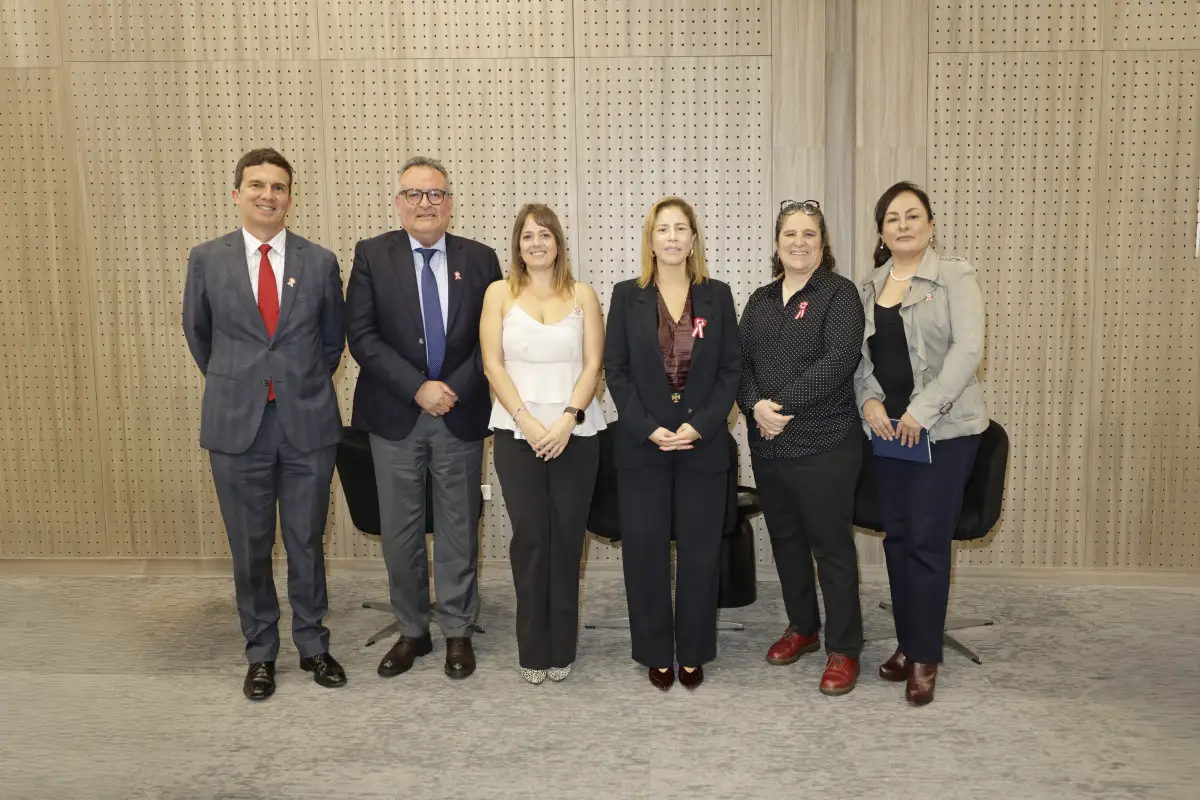
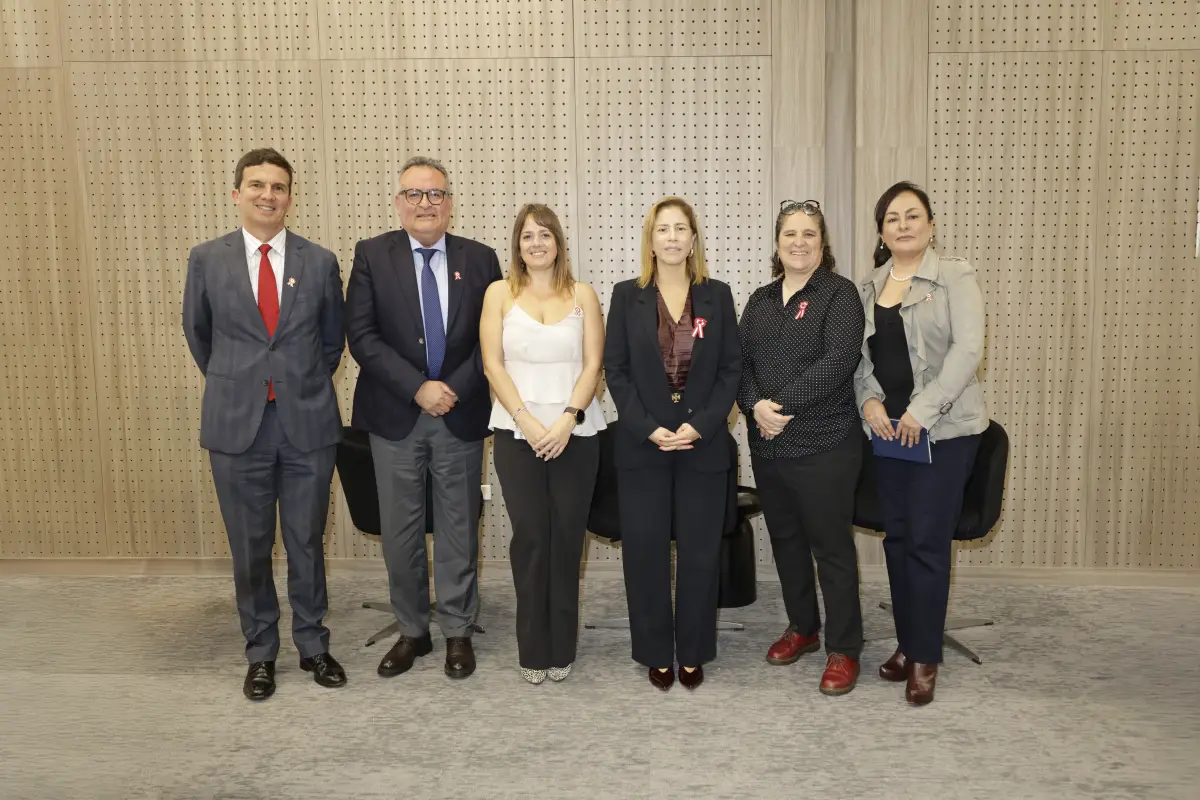
The central thesis emerging from the session—moderated by Rafaela Delgado of Ardel—was clear: while the formal industry is racing against time to decarbonize, it is crashing into the monolithic wall of a state apparatus that has been hollowed out of talent and remains profoundly disconnected from geographical urgency.
The participants argued that the traditional "green agenda" is often a desk-bound, urban-centric fantasy. For companies operating in the Andes or the Amazon, sustainability is not merely about carbon credits; it is about survival. When infrastructure collapses due to extreme weather, businesses stop, supply chains shatter, and the social license to operate vanishes. The consensus among panelists was that the Peruvian State is failing to provide the most basic climate-resilient framework, shifting the burden of responsibility entirely onto the private sector.
2. Chronology of the Crisis: From Mitigation to Adaptation
The debate highlighted a critical pivot in industrial strategy. Historically, the private sector focused on mitigation—reducing CO2 emissions to meet global benchmarks. However, the 2026 panel signaled a permanent shift toward adaptation.
- Pre-2020s: Industry efforts were primarily focused on regulatory compliance and internal operational efficiency.
- 2023–2025: The increasing frequency of "El Niño" events and climate-driven infrastructure failure forced a re-evaluation of risk.
- The 2026 Turning Point: At the ProActivo Awards, industry leaders formally declared that internal efficiency is insufficient. If the state-managed infrastructure (roads, bridges, water basins) fails, the company fails.
Fabiola Sifuentes, Vice President of Planning and Environmental Strategy at Antamina, summarized the frustration: "It is useless for us to work on our own ‘house’ if the external infrastructure collapses. That is our greatest pain point. It leads to operational stoppages and profound impacts on the quality of life for the communities surrounding us."
Sifuentes emphasized that the lack of preventative action by the State creates a cycle of hostility. Communities, feeling abandoned during emergencies, turn their frustration toward the nearest target: the formal company. "The way to prove we are connected is to act before the emergency and assist during the emergency," she noted.
3. Supporting Data and Structural Obstacles
The panel exposed a deep-seated inefficiency in how the Peruvian state manages public data. A recurring theme was the "absurd bureaucracy" that forces companies to replicate studies that should be publicly available.
The "Murciélago" (Bat) Problem
Cecilia Rabitsch, Chief of Social Affairs and Sustainability at ENGIE Peru, challenged the romanticization of sustainability, framing it instead as a "principle of thermodynamics" regarding financial and operational survival. She highlighted the regulatory nightmare of environmental impact assessments:
"We want to clean up the concept of sustainability. It’s a concept of operations, not a marketing tool. We shouldn’t have to conduct 40 environmental impact studies in the same location, capturing the same bat—poor thing—over and over again. If we had an open, shared data system, one comprehensive study could suffice."
The Monopoly of Information
Former Minister of the Environment, Lucía Ruiz, echoed this sentiment, criticizing the government for treating scientific data as a commercial asset rather than a public good. "I shouldn’t have to pay for SENAMHI information, as is common in countries like Chile. Here, information is treated as a form of power, and that reflects a catastrophic lack of coordination."
4. Official Responses and The "Double Standard"
The manufacturing and construction sectors provided perhaps the most damning evidence of the state’s dysfunctional relationship with the private sector. Julio Cáceres, Commercial Director of Grupo Gloria, highlighted the stark asymmetry between how the state treats formal versus informal economic actors.
"The OEFA (Environmental Evaluation and Enforcement Agency) visits us constantly because we are legal and traceable. Yet, they do not visit the informal operators. Our legislators write laws for the formal sector, but who regulates the informal sector? The one who never pays taxes?" Cáceres asked.
This regulatory persecution of the formal, combined with the lack of oversight for the informal, creates a hostile environment for investment. The panel agreed that the state has been "expelling talent" from its ranks, leaving a void that is increasingly difficult to fill.
The "Obras por Impuestos" (OxI) Solution
Despite the criticism, the panel highlighted a beacon of hope: the Obras por Impuestos (Works for Taxes) mechanism. This allows private companies to bypass traditional state inefficiency by financing infrastructure projects directly.
"We are believers in this mechanism," said Cáceres. "We just laid the first stone for the Casablanca dam, a project exceeding S/ 160 million. A cement company is stepping in to build critical infrastructure where the state has been absent."
5. Implications: A New Definition of Corporate Success
The ProActivo 2026 Environmental Session concluded with a redefinition of what it means to be a "sustainable" company in Peru. The panelists agreed that the era of measuring success through internal carbon reports is over.
The New Metric:
The true "net balance" of a sustainable company is no longer calculated solely by internal emissions, but by the tangible impact the company has on its territory. As articulated by Julio Cáceres and endorsed by the panel:
"The true balance of a sustainable company is shown when industrial growth translates directly into water security, social development, and climate resilience within its territory."
The Path Forward
As Peru faces a looming transition in government, the message to the incoming administration is clear:
- Stop the Brain Drain: The state must professionalize its technical agencies to avoid the "hollowing out" of expertise.
- Open the Data: Climate information must be treated as a public utility to prevent the duplication of costly, unnecessary studies.
- Bridge the Gap: The state must shift its focus from persecuting the formal sector to formalizing the informal and partnering with companies to secure critical infrastructure.
The "climate emergency" is no longer a forecast—it is a present-day reality. For the Peruvian industry, the ability to adapt is the only path to survival. The question remains whether the State will rise to the challenge or continue to be the primary obstacle in the path of the nation’s resilience. With the window for action narrowing, the industry has issued its final notice: the next three weeks will determine if the country is ready to bridge the gap between policy and the rugged, unpredictable reality of the Peruvian landscape.