In a landmark initiative aimed at addressing one of the most pressing infrastructure gaps in the Andean highlands, the Regional Government of Huancavelica has officially launched a comprehensive campaign to identify and register every household currently lacking electricity. In close coordination with the Ministry of Energy and Mines (MINEM) and the General Directorate of Rural Electrification (DGER), this effort marks a pivotal shift toward data-driven energy policy in one of Peru’s most challenging terrains.
The initiative, which begins in the province of Huancavelica, represents more than just the installation of power lines; it is a fundamental commitment to social equity, aiming to bridge the divide between urban centers and the nation’s most isolated rural communities. By leveraging modern technology to map energy poverty, the government seeks to foster long-term socio-economic integration for thousands of families who have historically been left in the dark.
The Strategic Importance of the Project
Energy access is the bedrock of modern development. For the rural populations of Huancavelica, the lack of electricity is not merely a matter of inconvenience; it is a barrier to education, modern healthcare, and the ability to participate in the local economy. Without power, students struggle to study after sunset, health clinics cannot store vaccines or operate diagnostic equipment, and small-scale entrepreneurs are limited by the constraints of daylight.
The regional government recognizes that closing this "electrification gap" is essential for regional progress. By formalizing the registry of households, the government is creating a roadmap for sustainable development, ensuring that state resources are allocated with precision rather than based on estimates.
Chronology: A Roadmap for Implementation
The rollout of this ambitious project is structured to ensure comprehensive coverage across the seven provinces of the Huancavelica region.
- Phase One: Initial Deployment (August 24): The project commences in the provincial capital, Huancavelica. This phase serves as the pilot for testing the data collection workflow and streamlining communications between regional authorities and local community leaders.
- Phase Two: Provincial Expansion: Following the initial launch, the program will systematically expand into the remaining six provinces of the region. This sequential approach allows for the logistical challenges of the rugged Andean geography to be managed effectively.
- Phase Three: Data Processing and Pre-investment: Once the regional data is consolidated, the MINEM and DGER will begin the complex process of feasibility analysis. This includes categorizing communities based on their accessibility to the national grid versus those requiring off-grid solutions.
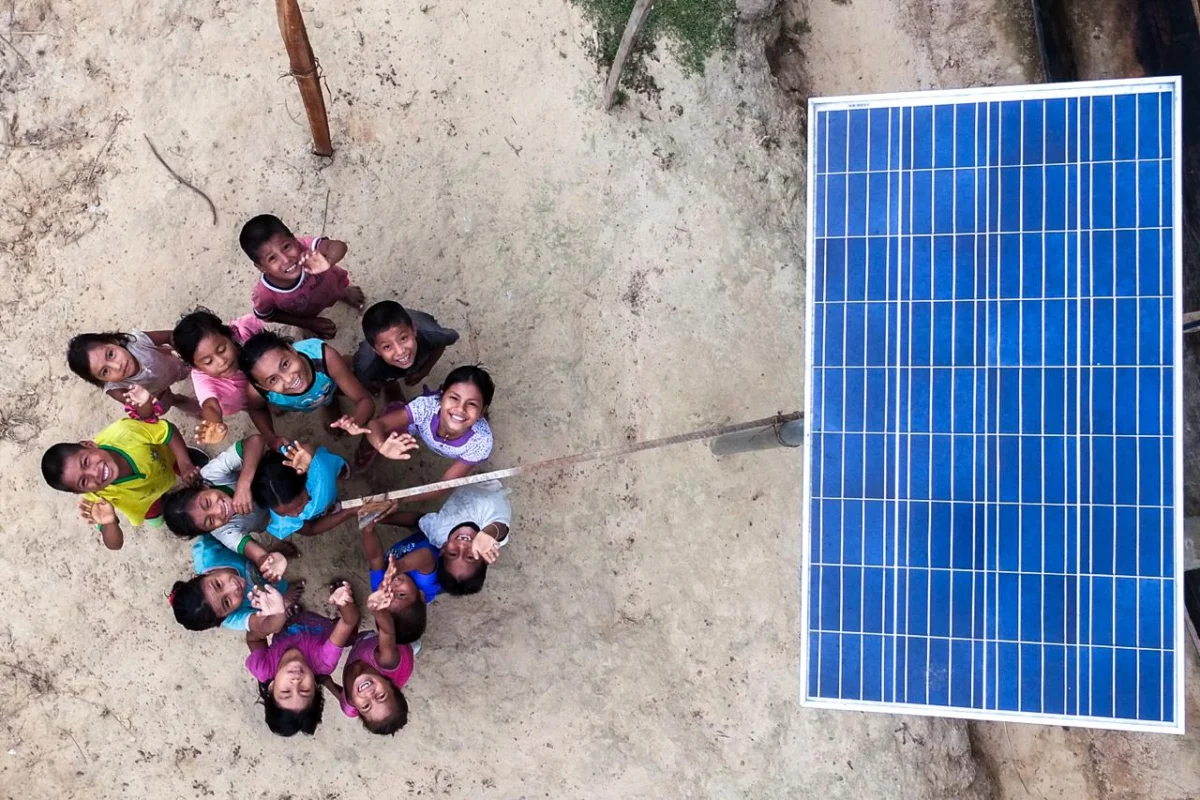
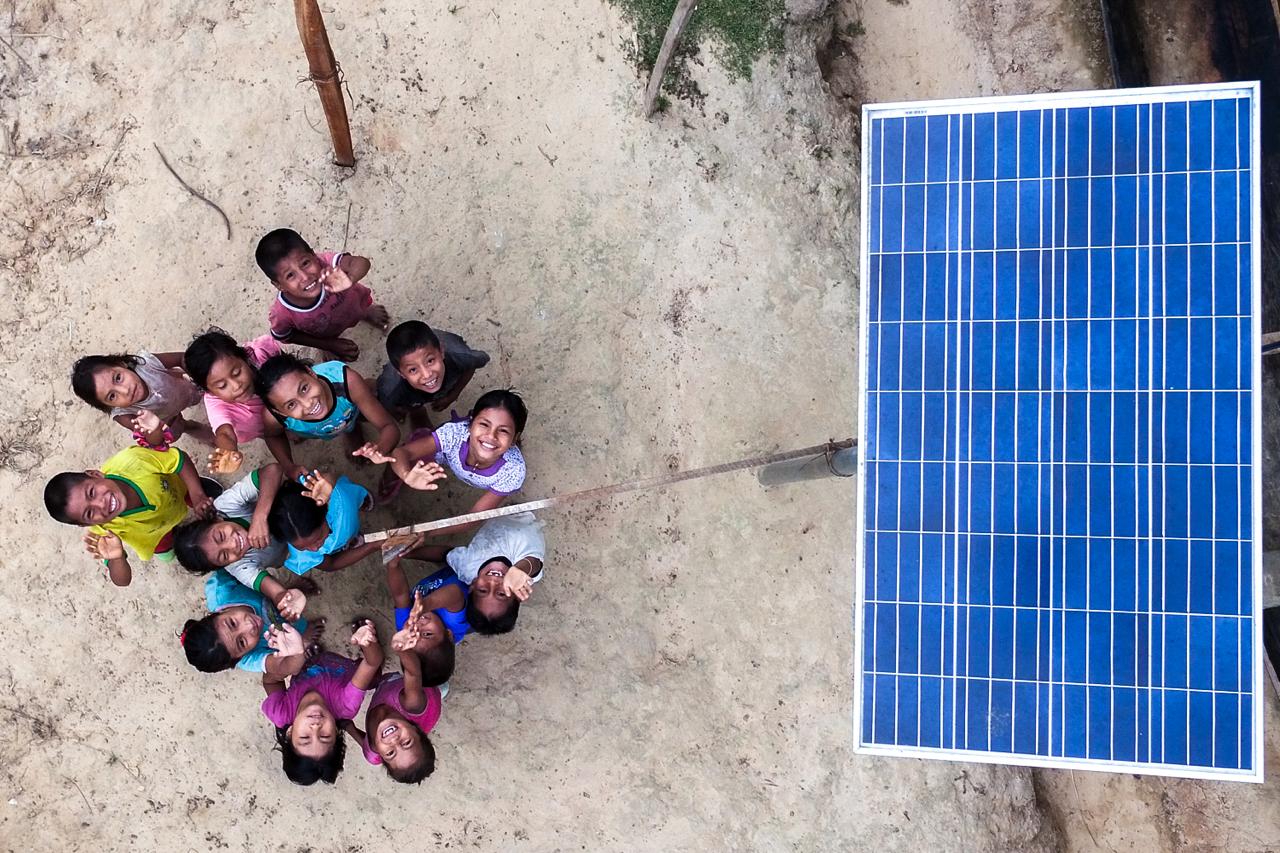
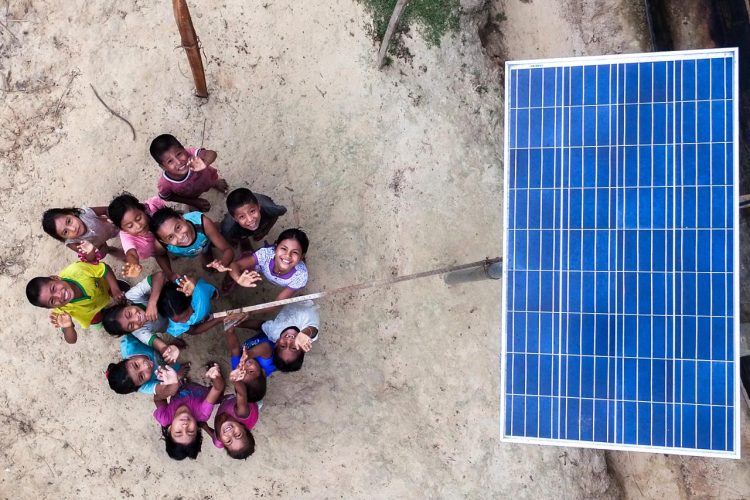
- Phase Four: Execution and Connection: The final phase will involve the physical installation of electrical infrastructure, whether through the expansion of the conventional grid or the deployment of renewable energy systems like solar panels.
Technological Innovation: The "DGER + Electrification" App
A central pillar of this campaign is the adoption of the "DGER + Electrification Rural" informatics application. This tool is designed to modernize the way the state approaches infrastructure development.
In the past, regional electrification projects often relied on outdated census data or verbal reports, which frequently led to gaps in coverage or inefficient resource allocation. The new application allows technical personnel to:
- Georeference: Capture the exact GPS coordinates of every household, ensuring that no home is left off the map.
- Characterize: Gather metadata about the household, such as existing usage patterns or the proximity to the nearest energy source.
- Optimize Planning: Provide a centralized digital database that allows central government ministries to view the progress in real-time, facilitating faster approval for project financing and investment phases.
Official Perspectives and Government Commitment
The success of this initiative hinges on the collaboration between various levels of government and, crucially, the participation of the communities themselves.
Susano Mendoza Pareja, coordinator of the project for the Regional Directorate of Energy and Mines (DREM), emphasized the technical rigor of the operation. "Our objective is to move from broad statistics to precise, household-level data. This information is the foundation upon which we determine whether a community will benefit from connection to the conventional electrical grid or if they are better suited for individual photovoltaic systems. Every data point we collect is a step toward a feasibility study that will eventually lead to a construction project," Mendoza stated.
The Regional Governor of Huancavelica underscored the human element of the project. "As a regional government, our mandate is to reach those who have been forgotten. We are working to ensure that the light of progress reaches the most remote areas. This is not just about wires and bulbs; it is about dignity, quality of life, and the integration of our rural brothers and sisters into the national development narrative."
Implications for Socio-Economic Development
The impact of this project will be multifaceted, touching upon several key sectors of regional life:
1. Strengthening Rural Education
Access to electricity allows for the implementation of digital education tools. With power, schools can utilize computers, internet access, and improved lighting, which directly correlate to better academic performance and the narrowing of the educational achievement gap between rural and urban students.
2. Enhancing Healthcare Services
Rural health posts in Huancavelica are often hampered by their inability to power refrigeration units for essential medications or to provide adequate lighting for emergency procedures. A stable energy supply will transform these posts into truly functional life-saving centers.
3. Catalyzing Economic Growth
Electrification is a catalyst for productive activities. From small-scale agro-industrial processing to the growth of local tourism, electricity enables rural populations to add value to their raw materials and extend their operational hours, creating a more dynamic and self-sustaining regional economy.
A Call to Action for Local Stakeholders
The DREM has issued a formal call to action, acknowledging that local knowledge is as important as technical expertise. The success of the registry depends on the active cooperation of:
- Communal Authorities: Who understand the topography and the specific needs of their residents.
- District and Provincial Mayors: Who play a vital role in coordinating logistical support.
- Subprefects and Community Leaders: Who serve as the primary link between the regional government and the populace.
The regional authorities have made it clear that communication channels are open. For families or local leaders who have not yet been reached, the DREM has provided dedicated contact numbers: 999035524, 921942753, and 962238863. Residents are encouraged to report their status to ensure their household is included in the upcoming investment cycle.
Data-Driven Future: The "Dato" Significance
The project serves as a model for how modern public management should function. By focusing on the "Dato" (Data)—specifically the precise, georeferenced location of each dwelling—the government is ensuring that future budget allocations are immune to political bias or logistical error. This methodology creates a transparent audit trail, allowing civil society to monitor the progress of electrification and hold the government accountable for the delivery of these essential services.
Ultimately, the initiative in Huancavelica is a powerful testament to the role of technology in governance. By merging the reach of the digital age with the pressing needs of the Andean countryside, the government is not just installing electricity; it is illuminating the path toward a more inclusive, resilient, and prosperous future for one of Peru’s most historic regions. The commitment demonstrated by the DGER, MINEM, and the regional leadership sets a high bar for other regions, proving that with the right tools and the right focus, the goal of universal electrification is not just a dream, but an achievable reality.