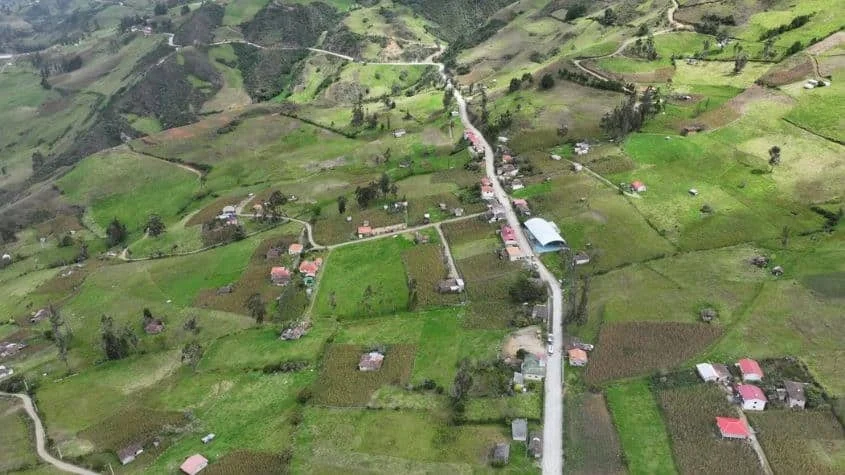
The landscape of the Azuay province in Ecuador is undergoing a significant infrastructural transformation as the Prefectura del Azuay accelerates its commitment to rural connectivity. At the heart of this development is the strategic renovation of the Guarainag-Tomebamba road, a critical artery within the Paute canton. With a total investment of US$ 653,802 (excluding VAT), this project represents more than just a road upgrade; it is a vital injection of economic stability and social welfare for a region that has long struggled with the limitations of underdeveloped transport infrastructure.
Currently, the project has achieved a 40% completion rate, signaling a robust phase of execution that is poised to change the daily lives of nearly 2,000 local residents.
Main Facts: The Scope of the Project
The Guarainag-Tomebamba road project is an extensive engineering effort designed to address the systemic challenges of rural road maintenance in mountainous terrain. The project is not merely a superficial resurfacing; it is a structural overhaul. The investment covers a comprehensive list of technical interventions, including:
- Sub-surface Engineering: The installation of over one kilometer of specialized subdrains, designed to manage water runoff and prevent the structural erosion that typically plagues Andean roads.
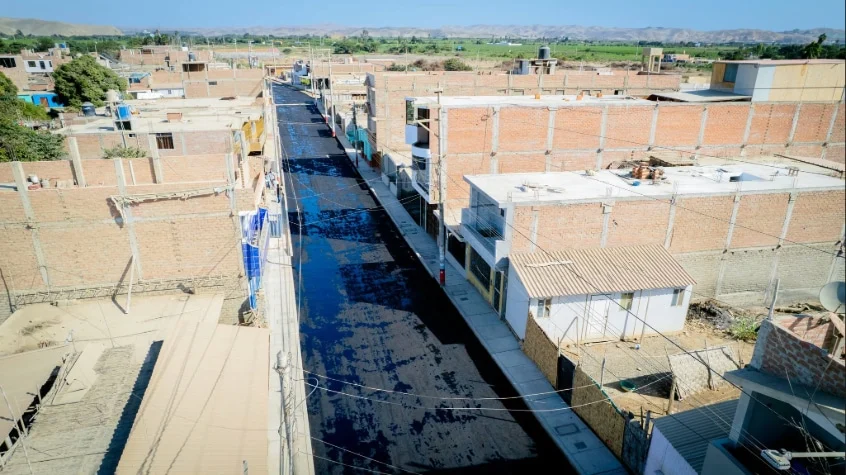
- Base Stabilization: Currently, crews are focused on the "base cement" stabilization of a 1.5-kilometer critical segment in the Ucumarina sector. This method provides a rigid foundation, significantly increasing the longevity of the asphalt.
- Drainage Infrastructure: The project includes the construction of new culverts, headwalls, curbs, and gutters to ensure proper water management during the heavy rainy seasons common to the Azuay region.
- Road Safety: Beyond the paving itself, the project integrates a full suite of modern road signage to improve safety for both local residents and tourists traveling through the area.
This multi-faceted approach ensures that the road will not only be more comfortable to traverse but will also be resilient against the volatile climate conditions of the Ecuadorian highlands.
Chronology of Development
The timeline of the Guarainag-Tomebamba project reflects a methodical, phase-driven engineering strategy. While the planning stages were rooted in identifying the most vulnerable sectors of the Paute canton, the implementation phase has been defined by precision:

- Initial Site Preparation: The early stages involved extensive earthmoving and clearing, preparing the corridor for the complex drainage systems required by the rugged topography.
- Drainage and Foundation Phase: The successful installation of the initial kilometer of subdrains marked a significant milestone, ensuring that the road’s foundation would be protected from subterranean water pressure.
- Current Status (40% Completion): As of July 2026, the focus has shifted to the Ucumarina sector. The application of cement-stabilized base layers is currently underway, serving as the essential substrate before the final granular base and asphalt applications.
- Upcoming Phases: Following the completion of the Ucumarina sector, the engineering team will transition to the systematic laying of the granular base across the remaining project footprint, followed by the final placement of the asphalt carpet.
Supporting Data and Technical Context
Engineering in the Azuay province requires a high degree of technical expertise due to the region’s steep gradients and geological sensitivity. The decision to invest over US$ 653,000 into this specific corridor is backed by an analysis of the region’s logistical bottlenecks.
The use of "base cement" is a critical technical choice. Unlike traditional dirt or gravel paths, which require constant maintenance and degrade rapidly, a cement-stabilized base creates a semi-rigid slab. This is particularly important for the high-altitude climate of Paute, where the combination of heavy transit and seasonal moisture often leads to rapid surface deterioration. By reinforcing the sub-base, the Prefectura is aiming to reduce long-term maintenance costs, effectively maximizing the utility of every dollar invested.
Furthermore, the integration of extensive drainage systems—specifically the construction of new culverts and gutters—is a proactive measure against the "dust and mud" cycles that have historically hampered local agriculture and commerce.
Official Perspectives: Ensuring Quality and Progress
The technical oversight of the project is led by the Prefectura del Azuay, with key personnel such as engineer Fernanda Abad coordinating the workflow. According to Abad, the methodology is strictly phased to ensure the structural integrity of the road.
"Once the stabilization with cement is concluded and fully cured, we will move immediately into the spreading of the granular base and the subsequent asphalt paving," Abad noted. This sequential approach is intended to prevent the common pitfalls of rushing road projects, ensuring that each layer provides the necessary density to support heavy vehicular traffic in the long term.

For the regional administration, the project is a testament to the commitment to decentralize infrastructure development. By focusing on the Paute canton, the Prefectura is signaling that rural development is a top priority in their regional planning, ensuring that even remote parishes like Tomebamba and Guarainag are connected to the broader provincial economy.
The Broader Implications: Economic and Social Impact
The implications of the Guarainag-Tomebamba project extend far beyond the technical specifications of the road. For the 2,000 inhabitants of these parishes, the road serves as a lifeline to essential services.
1. Strengthening the Local Economy
The primary economic impact will be felt by the agricultural sector. Improved roads reduce transport times for farmers, ensuring that perishable goods reach markets in Paute and Cuenca faster and in better condition. By eliminating the seasonal barriers of mud and excessive dust, the road reduces wear and tear on transport vehicles, effectively lowering the cost of doing business in the region.
2. Tourism and Connectivity
Guarainag and Tomebamba possess significant untapped tourism potential. By improving the road network, the regional government is lowering the barrier for entry for visitors. Reliable access is a prerequisite for the development of rural tourism, eco-lodges, and gastronomic routes. As the road nears completion, it is expected that local hospitality providers will see an increase in weekend traffic, stimulating job creation and local entrepreneurship.
3. Quality of Life and Environmental Health
For residents, the project resolves a long-standing environmental and health issue. The dust generated by unpaved roads in the dry season poses respiratory risks, while the mud in the rainy season effectively cuts off access for emergency vehicles and school transport. The completion of this project will provide a permanent, all-weather link to the provincial center, fundamentally changing the standard of living for the local population.

Conclusion
As the Guarainag-Tomebamba project moves past its halfway mark, it stands as a model for rural infrastructure investment in Ecuador. By prioritizing structural stability, efficient drainage, and systematic phasing, the Prefectura del Azuay is creating an asset that will serve the community for decades.
The successful completion of this road will not only mark the end of a construction cycle but the beginning of a new era of growth for the Paute canton. With the foundation now being stabilized in Ucumarina, the project is moving closer to its final objective: a smooth, durable, and reliable path that bridges the gap between rural isolation and regional integration. As the asphalt begins to cover the landscape, it will leave behind the legacy of a government that understood the true cost of progress—and was willing to pay it to ensure its people are no longer left behind.