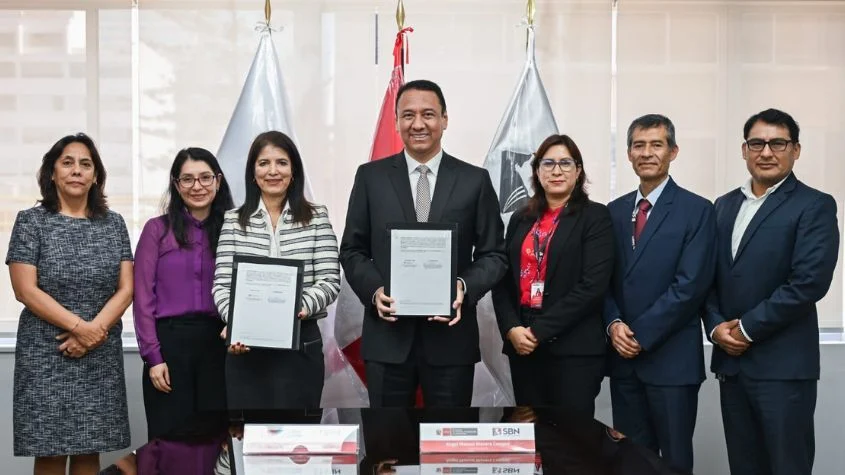
In a significant move to bolster safety standards and foster a robust culture of prevention within Peru’s energy sector, Solgas—the country’s leader in liquid petroleum gas solutions—and the Association of Grifos and Service Stations of Peru (AGESP) have officially entered into a landmark strategic cooperation agreement. This interinstitutional partnership is designed to bridge the gap between technical expertise and daily retail operations, ensuring that the handling, storage, and commercialization of Gas Licuado de Petróleo (GLP) adhere to the highest international safety protocols.
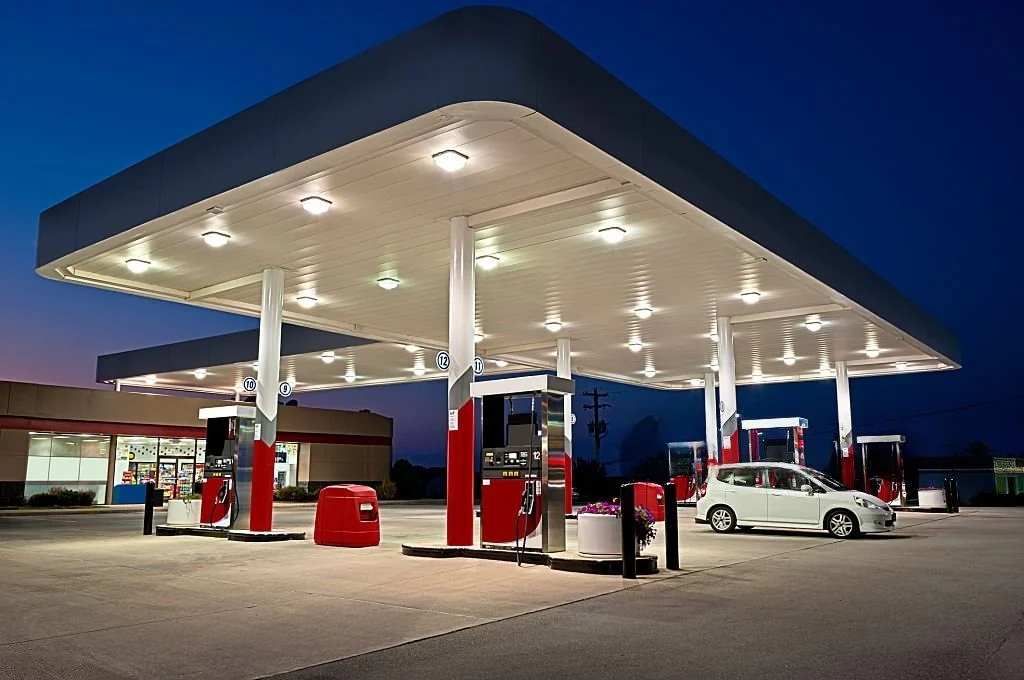
As the demand for GLP continues to rise among Peruvian motorists seeking efficient and cost-effective fuel, the necessity for a professionalized, safety-conscious supply chain has never been greater. This alliance marks a proactive step toward mitigating operational risks and standardizing practices across the nation’s vast network of service stations.
The Core Mandate: Promoting a Culture of Prevention
The central objective of the partnership between Solgas and AGESP is the systematic improvement of the safety ecosystem surrounding GLP vehicular use. By combining Solgas’s extensive industrial experience with AGESP’s broad reach among service station operators, the agreement aims to standardize best practices.
Key Pillars of the Agreement:
- Knowledge Transfer: A commitment to continuous professional development through formal training programs.
- Regulatory Compliance: Ensuring that all operators are well-versed in the latest technical standards and national regulations governing fuel handling.
- Risk Mitigation: The deployment of proactive strategies to prevent accidents during the transportation, storage, and retail stages of the GLP lifecycle.
- Technological Exchange: Sharing insights on equipment maintenance, safety hardware, and modern monitoring systems.
Chronology of Collaboration: Building the Foundation
The decision to formalize this alliance was not an isolated event but rather the culmination of a growing need for institutional alignment in the face of evolving energy challenges in Peru.
- Pre-Agreement Phase (Early 2026): Solgas and AGESP identified a critical need to address safety gaps within the retail sector. Initial discussions centered on the rising number of new service station operators entering the market who required standardized training.
- Strategic Planning (Q2 2026): Both organizations established a roadmap focusing on the "Safe GLP" initiative, emphasizing that technical safety is the cornerstone of public trust.
- The Formalization (July 2026): The signing of the framework agreement serves as the institutional foundation for a long-term partnership, setting the stage for the inaugural series of workshops scheduled for the remainder of the year.
- Future Milestones (2027 and beyond): The alliance aims to evaluate the impact of these initial training sessions to potentially expand the curriculum to include advanced safety certification programs for all AGESP members.
The Human Factor: Capacity Building and Training
A hallmark of this alliance is the commitment to tangible, accessible education. Solgas has pledged to provide two high-impact, in-person training sessions annually, supplemented by a yearly webinar. This hybrid approach ensures that operators in both urban hubs and remote areas have access to the latest technical information.
Curriculum Focus Areas:
- Handling and Storage Safety: Deep dives into the physical properties of GLP and the specific safety requirements for pressurized storage tanks.
- Emergency Response: Drills and protocols for handling leaks, fires, or mechanical failures at the pump.
- Customer Safety: Educating station attendants on how to advise end-users on safe refueling practices, thereby extending the safety culture to the general public.
- Administrative Compliance: Simplifying the understanding of complex energy regulations to ensure that every station remains fully compliant with Osinergmin standards.
Official Perspectives: Aligning Vision with Action
The leadership of both organizations has expressed strong support for this initiative, highlighting its role in the long-term sustainability of the Peruvian energy market.

Alessandra Dentone, Commercial Director of Solgas, emphasized the strategic importance of this collaboration during the signing ceremony:
"Safety is a commitment that is only truly strengthened when we work in an articulated manner with the primary actors of the sector. This alliance with AGESP allows us to share essential technical knowledge and promote a culture of prevention that goes beyond mere compliance. By elevating the standards for our station operators, we are effectively protecting the public and reinforcing the trust that thousands of Peruvian drivers place in GLP every day."
The partnership is viewed as a symbiotic relationship: Solgas provides the technical expertise and industrial safety standards, while AGESP provides the infrastructure and the professional network necessary to implement these changes at the grassroots level.
Implications for the Peruvian Energy Sector
The repercussions of this partnership extend far beyond the service station forecourt. As Peru looks toward a more sustainable energy future, the professionalization of the GLP sector acts as a critical anchor for the national economy.
1. Enhancing Public Trust
Public perception is a significant hurdle in the widespread adoption of alternative fuels. By demonstrating that the industry is self-regulating and prioritizing safety through formal training, the sector can foster greater consumer confidence, potentially increasing the demand for GLP-powered vehicles.
2. Standardization of Safety Protocols
Previously, safety standards could vary significantly from one station to another. This alliance seeks to create a "Gold Standard" for GLP retail, where every AGESP-affiliated station adheres to a unified set of safety protocols, making it easier for regulatory bodies to audit and oversee the industry.
3. Sustainability and Continuous Improvement
The focus on "continuous improvement" suggests that this is not a one-time initiative. By establishing a framework for regular dialogue, the partnership ensures that as new technologies or regulatory challenges emerge, the industry can pivot quickly and effectively.
4. Economic Stability for Operators
Service station operators often face high insurance premiums and operational risks. By reducing the likelihood of accidents through better training, this alliance can lead to a more stable business environment, helping small and medium-sized operators remain competitive in a challenging market.
Supporting Data: Why GLP Safety Matters
While GLP is widely recognized for its lower emissions compared to traditional diesel or gasoline, its volatile nature requires specialized handling. According to industry data, the majority of incidents in the GLP retail sector are linked to human error or inadequate equipment maintenance—factors that this training initiative specifically targets.
- Risk Reduction: Industry studies indicate that 70% of workplace incidents in the energy sector are preventable through proper, recurring training.
- Economic Impact: A single incident at a service station can lead to significant financial losses, legal repercussions, and temporary closure of business, highlighting the economic value of the preventative measures proposed by Solgas and AGESP.
Conclusion: A New Era for Energy Retail
The alliance between Solgas and AGESP represents a proactive and necessary evolution in the management of Peru’s energy infrastructure. By shifting the focus from reactive firefighting to proactive prevention, both organizations are signaling a mature approach to market leadership.
As the partnership gains momentum, the beneficiaries will not only be the station operators who gain valuable technical skills, but the millions of Peruvians who rely on safe, efficient fuel for their daily mobility. This initiative stands as a testament to the fact that when private enterprise and industry associations align their interests with public safety, the result is a more resilient, reliable, and sustainable energy sector for the entire country.
Moving forward, the success of this agreement will be measured by the adoption of these best practices and the measurable reduction in operational incidents, setting a benchmark for other fuel sectors to follow in the years to come.