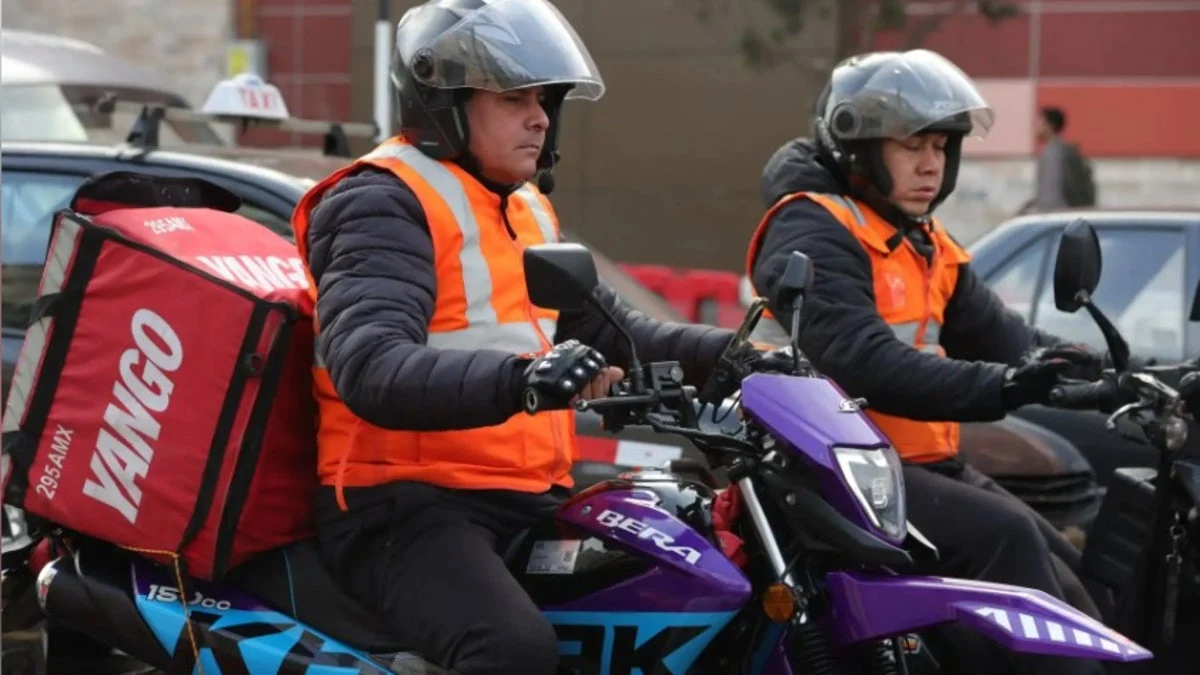
In an era defined by the gig economy, the lines between convenience and criminality are becoming dangerously blurred. A recent investigative study has exposed a burgeoning black market operating within the digital infrastructure of legitimate delivery applications in Peru. The investigation reveals that delivery platforms—designed specifically for the transport of food, documents, and retail goods—are being surreptitiously repurposed to provide illegal passenger transport services on motorcycles.
This phenomenon, described by experts as "informal taxi-mode," represents not only a flagrant violation of Peruvian transport law but also a severe escalation in road safety risks. As the practice gains traction through coordinated efforts on social media, authorities and consumer advocacy groups are sounding the alarm, warning of a regulatory "black hole" that leaves passengers and drivers alike without legal protections or insurance coverage.
The Anatomy of an Illegal Trade: Main Facts
The core of the issue lies in the exploitation of the "courier" feature on popular delivery apps. By selecting a delivery request, a user can summon a motorcycle to a specific location. However, instead of handing over a package, the user boards the motorcycle as a passenger.
An investigative study commissioned by the Observatorio de Plataformas Perú and the Asociación Peruana de Consumidores y Usuarios (ASPEC), and conducted by the polling firm Ipsos, found that approximately one out of every 10 delivery services evaluated was used to transport a person rather than a package.
"We are witnessing a growing trend toward what we call ‘informal taxi-mode,’ which is inherently illegal," explains Alejandra Dinegro, director of the Observatorio de Plataformas Perú. "What should be a formal courier service is being systematically hijacked to move people, circumventing the regulatory frameworks that govern public transport."
This is not a disorganized or accidental occurrence. It is a calculated evasion of the law, where the app’s digital paper trail falsely classifies a human life as a "package" or "delivery item," creating a profound discrepancy between the digital record and the physical reality of the trip.
Chronology of a Growing Problem
The emergence of this practice is a relatively recent development that has accelerated over the past year, transitioning from isolated incidents to a coordinated, social-media-driven trend.
- December 2023: Initial observations by the Observatorio de Plataformas Perú identified early signs of this trend. At the time, the practice was sporadic and lacked the organized promotion seen today.
- Early 2024: Digital surveillance detected a surge in content on social media platforms, particularly targeting younger users, which actively encouraged the use of delivery apps for "hidden" passenger transport.
- Mid-2024: Ipsos, on behalf of ASPEC, conducted a formal study quantifying the prevalence of the practice, confirming that it had reached a frequency of 10% in observed courier requests.
- Present Day: The issue has reached the halls of the Peruvian Congress, with legislative committees now drafting specific regulatory proposals to address the intersection of delivery apps and illicit passenger transport.
The shift from December to the present highlights a concerning trajectory: the practice is not just persisting; it is becoming normalized through digital word-of-mouth.
Supporting Data and Social Media Tactics
The methodology used to bypass platform security is as creative as it is dangerous. Because delivery apps utilize automated algorithms to detect keywords and unusual behavior, the "black market" participants have developed a clandestine language to coordinate rides.
Social media posts now feature instructional content guiding users on how to solicit these services without triggering the app’s internal security filters. Common phrases include, "The package is me," "Take me with you," and "Do you have an extra helmet?"
Furthermore, users have begun modifying the spelling of words or using coded emojis to describe the service, preventing the apps’ AI systems from flagging the request as an illegal passenger transport attempt. This evolution in tactics suggests that the individuals involved are well-aware of the illicit nature of their actions and are actively working to stay ahead of platform detection.
The Ipsos study provides the cold, hard data behind these anecdotal observations: 10% of tested services resulted in a passenger boarding the bike. When extrapolated across the thousands of daily deliveries in cities like Lima, the volume of illegal passenger trips occurring every day is staggering.
Legal Framework and Regulatory Void
Under Peruvian law, the transportation of passengers via motorcycle is heavily restricted. Law 27189 established the foundational restrictions for motorcycle taxis, and Supreme Decree 035-2019-MTC explicitly reinforced the prohibition of using two-wheeled vehicles for public passenger transport.
The legislation is clear: delivery apps that knowingly facilitate, or fail to prevent, the use of their services for this purpose can be held liable. However, the enforcement of these laws in the digital space remains a massive challenge.
"The law is clear, but the implementation is lagging," says Dinegro. "The platforms are often shielded by the claim that they are merely ‘intermediaries’ or ‘technology providers.’ This is a convenient excuse that leaves the user and the driver in a precarious position."
The lack of specific, enforceable regulation regarding the "courier-to-passenger" conversion creates a legal vacuum. In the eyes of the law, a passenger on a delivery bike is effectively invisible, making it nearly impossible for victims of accidents to claim damages or hold any party accountable.
The Risks: When Things Go Wrong
The most severe implication of this trend is the danger posed to human life. Delivery motorcycles are not designed, insured, or equipped for passenger transport.
1. Lack of Insurance
When a passenger books a trip through a legitimate taxi app, there is usually a mandatory insurance policy attached to the vehicle and the ride. If an accident occurs while using a delivery app, the insurance policy for the delivery vehicle likely covers the cargo, not a human passenger. In the event of a collision or injury, the victim would be left without coverage, potentially facing catastrophic medical costs with no recourse.
2. Safety Standards
The lack of a secondary helmet, the absence of proper passenger-handling training for the driver, and the physical limitations of delivery bikes—which are built for agility, not stability with a passenger—significantly increase the likelihood of accidents.
3. Liability and "Black Holes"
Dinegro emphasizes the "black hole" created by the discrepancy in the app’s records. "If something goes wrong—a robbery, an assault, or a fatal crash—the platform’s record says a package was being delivered. The truth is that a person was being transported. This discrepancy essentially erases the accountability of the platform, leaving the passenger unprotected and the driver facing legal consequences for which they are likely unprepared."
Official Responses and Future Legislation
Recognizing the gravity of the situation, the Peruvian Congress is taking action. Deputy Luis Quispe Candia, head of the Infrastructure and Transport Commission, has identified this issue as a priority for his committee.
"The use of motorcycles for transporting people is irregular, illegal, and dangerous," Quispe Candia stated. "We see it everywhere, from the Ovalo Cabitos to various train and Metropolitano stations. It is a systemic issue that requires a robust legislative response."
The proposed legislation aims to:
- Regulate the Platforms: Impose strict requirements on delivery apps to implement real-time monitoring and AI detection to flag and cancel requests that resemble passenger transport.
- Define Penalties: Establish severe sanctions for both the platforms that fail to police their users and the individuals who engage in the illegal transport of passengers.
- Establish Vehicle Standards: Require clear differentiation between vehicles authorized for cargo and those, if ever permitted in the future, for passenger transport.
Dinegro and the Observatorio de Plataformas Perú are working closely with the Commission to ensure the new laws are data-driven and address the reality of the digital economy. "We are pushing for a framework that forces the state to have greater transparency regarding these platforms. We need to know who is behind the wheel and what they are actually transporting," she added.
Conclusion: A Call for Accountability
The rise of the "hidden passenger" in Peru is a stark reminder that technology, while empowering, can be easily subverted to bypass public safety protocols. What started as a creative workaround by users has transformed into a dangerous, illegal, and potentially fatal trend.
As the government prepares to intervene, the message to consumers and companies alike is clear: the convenience of a quick ride is not worth the price of human safety. Without immediate regulation and stricter oversight from the platforms themselves, the "hidden passenger" phenomenon will continue to operate in the shadows, leaving thousands of unsuspecting citizens at risk every time they climb onto the back of a delivery bike.
The path forward requires a multi-pronged approach: stricter government regulation, proactive technology-based enforcement by the apps, and a public awareness campaign that makes it clear that when it comes to transportation, the risks of "going informal" are far too high.